
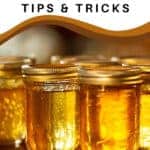
I love ball mason jars. And I know I'm not the only one. Over the past few years, it seems like mason jars are popping up on every food, craft, green living, and home decor site on the internet. And for good reasons.
After more than a decade of living off the grid in Canada's north, I learned to see Ball Mason jars as more than canning jars. We used them for jam, leftovers, dry pantry goods, bacon grease, chicken scratch, flower vases, and freezer storage. When you live far from town, a good glass jar earns its shelf space fast. I still check every jar for chips and cracks before I use it for food because one weak jar can ruin a whole canning day.
In addition to home canning and preserving, mason jars are used for all sorts of things. But before you learn how to can food and start collecting flats of new and vintage Ball mason jars, use these tips for important safety information, ideas on where to find them, and creative uses for second-hand mason jars.

Table of Contents
What Are Ball Mason Jars?
Mason jars have been around for well over a hundred years. In fact, according to MasonJars.com, the Mason jar was invented by John Landis Mason in 1858. And by 1884, Ball Corporation licensed the Mason jar and began mass-producing it for home canners. Today, Ball mason jars can be found in all sorts of places and used for all sorts of things.
Why Use Mason Jars
The iconic Ball Mason jar is easily recognized and often synonymous with homestead, county chic decor, and recipes. However, the Mason jars are no longer only used for canning. Far from it!
You'll find them on bathroom shelves holding Q-tips and cotton balls. They become inexpensive centerpieces with ribbons and wildflowers. Or rustic Christmas decorations. Many people use wide-mouth mason jars as drinking glasses. They can even be upcycled into outdoor or kitchen lights.
Use second-hand glass Mason jars in your home to collect small items in your kitchen, bathroom, office, and homeschool rooms. Many people interested in avoiding plastic storage containers have replaced their plastic wrap and plastic food containers with glass containers including Ball mason jars. They are durable, sensible, inexpensive, and suit many styles.
Ball Mason Jars versus Other Mason Jar Brands
Fun Fact: I recently wrote a review of the Bernardin Ball Complete Book of Home Preserving. Here in Canada, I've seen both Bernardin and Ball canning jars for years. Yet until last month, I didn't know that they are the same company!
I also hadn't given much thought to the many different types and patterns of mason jars. These include
- Smooth-sided
- Wide-mouthed
- Handled
- Spiraled
- Quilted
You'll also find various mason jar accessories including lids and bands, straws, and flip-tops.
Although Ball might be the most recognized mason jar for canning and preserving, you'll find other brands to use as well. These include
- Anchor Hocking
- Kerr
- Bernardin (Ball brand in Canada)
- Golden Harvest
- Verones
- Kamota
- Fruiteam
How We Use Mason Jars in Our Home
Ball Mason jars are of course excellent for their intended usage - canning, preserving, and pickling. However, given the many cases of jars we've collected over the years, I find myself using them for all sorts of different things.
In our home, we use ball mason jars for:
- Canning
- Drinking glasses
- Flower vases
- Storage for leftovers
- To hold single-serving salads
- To store chicken scratch
- For bacon grease
Older jars that are past their canning prime can be turned into all sorts of arts and crafts around the house. Take a quick look at Mason jar crafts on Pinterest and you'll find many creative ideas.
Can I Freeze My Mason Jars?
It's true that Ball is my favorite brand when it comes to canning and mason jars. In addition to canning, they are a great storage solution for freezing vegetables and fruit as well. I even store bread yeast in a Ball mason jar in our freezer.
With more and more health concerns popping up about plastic storage containers and the risk of contamination into the foods we eat, I feel much safer using glass instead. Ball jars have yet to break on me in the freezer, during water bath canning, or in my All American pressure canner.
Don't Use Ball Mason Jars for Canning After Freezing
Now here's a REALLY important point. And I think it's one that many people just don't know.
It's important to note that once you freeze a jar - any canning jar, you should no longer use it for canning. Remember that for when you get started making things like freezer jam. And when you're choosing which jars to use as freezer containers.
Keeping good track of what can go in the freezer and what's used only for canning is important.
Serving Sizes and Mason Jars
Before you start using your Ball canning jars think about your typical serving sizes. Now this depends on your family size.
In our home, we're typically feeding anywhere from 4 to 12 people. So I tend to store and freeze food in portions of four servings. One of the great things about preserving your own food, and baking and cooking from scratch is that you get to choose your portion and storage sizes to suit your household.
For example, do you find you use only half a jar of spaghetti sauce at a time? And then race to use it all up before it goes bad? When you're canning with Ball mason jars, the solution is simple.
Just pick a smaller jar, then make and can your own spaghetti sauce! The same goes for jelly, jam, and just about anything else you'd store in a mason jar.
And while we're on the topic, here's a trick for canning berries. My family enjoys berry picking as a summer and early autumn family activity. Yet none of us are huge jam or jelly fans.
So instead of making big batches of large jars of raspberry, rhubarb, or cranberry jam, we make small batches. And then we can them in small little half-pint jars. These jars make lovely hostess gifts when we're out visiting friends.
Related: How to Make No-Cook Raspberry Jam
Where to Get Mason Jars
Where's the best place to get mason jars? We've bought them from all sorts of places, and even picked some up for free. This includes getting mason jars at:
- Garage sales
- Online sales (through local Facebook marketplaces, online classifieds)
- Estate sales
- Amazon
- Lehmans
- Walmart
- Canadian Tire
- Local hardware stores
- Local grocery stores
Now, I'm very careful about checking for chips and cracks in my jars before using them for canning, pickling, preserving, or freezing foods. If I have any doubts, they get set aside to use for crafts or non-food storage.
Penn State Extension says home canning jars often last about 10 to 13 years, depending on how you use and store them. It's also important to check your lids and rims to make sure they aren't dented, bent, or otherwise damaged. Misshapened lids and rims stop your jars from sealing properly. And this can lead to food spoilage and even damage to your pressure canner.
Michigan State University Extension also recommends checking canning jars for chips, nicks, and cracks before the canning season.
Ball Mason Jar Sizes
What I love about Ball Mason jars is that they come in many sizes. You can choose regular-mouth or wide-mouth jars, depending on how you plan to use them.
I like smaller jars for jam, jelly, and single servings. I reach for wide-mouth jars when I'm freezing food, storing leftovers, or filling jars with chunky fruits and vegetables.
FAQs About Ball Mason Jars
These are the questions I hear most often about using Mason jars at home. Start here if you're sorting old jars, buying new ones, or trying to decide which jars belong in the canning cupboard.
Can you reuse Ball Mason jars for canning?
Yes, you can reuse Ball Mason jars for canning if the jars have no chips, cracks, scratches, or weak spots. Always wash them well and check the rim before filling them. Use a new flat lid each time you can food.
Can you use old Mason jars for canning?
You can use older Mason jars for canning only if they're in excellent condition. Check the rim, glass, and bottom before using them. If you see chips, cracks, scratches, or cloudy weak spots, save that jar for dry storage or crafts.
Can you freeze food in Ball Mason jars?
Yes, you can freeze food in some Ball Mason jars, especially straight-sided wide-mouth jars. Leave enough headspace for food to expand as it freezes. Once you use a jar in the freezer, I like to keep it for freezer or storage use instead of canning.
What size Mason jar should I use?
Use half-pint jars for jams, jellies, sauces, and small gifts. Use pint jars for pickles, fruit, leftovers, and smaller batches. Use quart jars for larger families, dry goods, and bigger canning projects.
Like This Post? Save it For Later.




Great article, thanks for sharing on craft schooling Sunday!