A solar system stress test for off grid living shows you where your power system fails before a storm, cold snap, or long cloudy week tests it for you.
Your off grid solar power system might work perfectly on a sunny day. Then a three-day storm hits, the sun disappears, and you watch your battery bank drain faster than your weather app predicted.
Or your well pump cycles during peak cooking time. Suddenly, your lights flicker, your inverter complains, and everyone in the house looks at you.
Most people discover their system's limits when it's already too late to fix them. A stress test helps you find those limits while you still have time to add capacity, cut loads, or change your routine.
This guide walks you through a practical solar system stress test for off grid homes, cabins, and homesteads. It shows you what to test, what numbers to track, and what changes to make before real life does the testing for you.
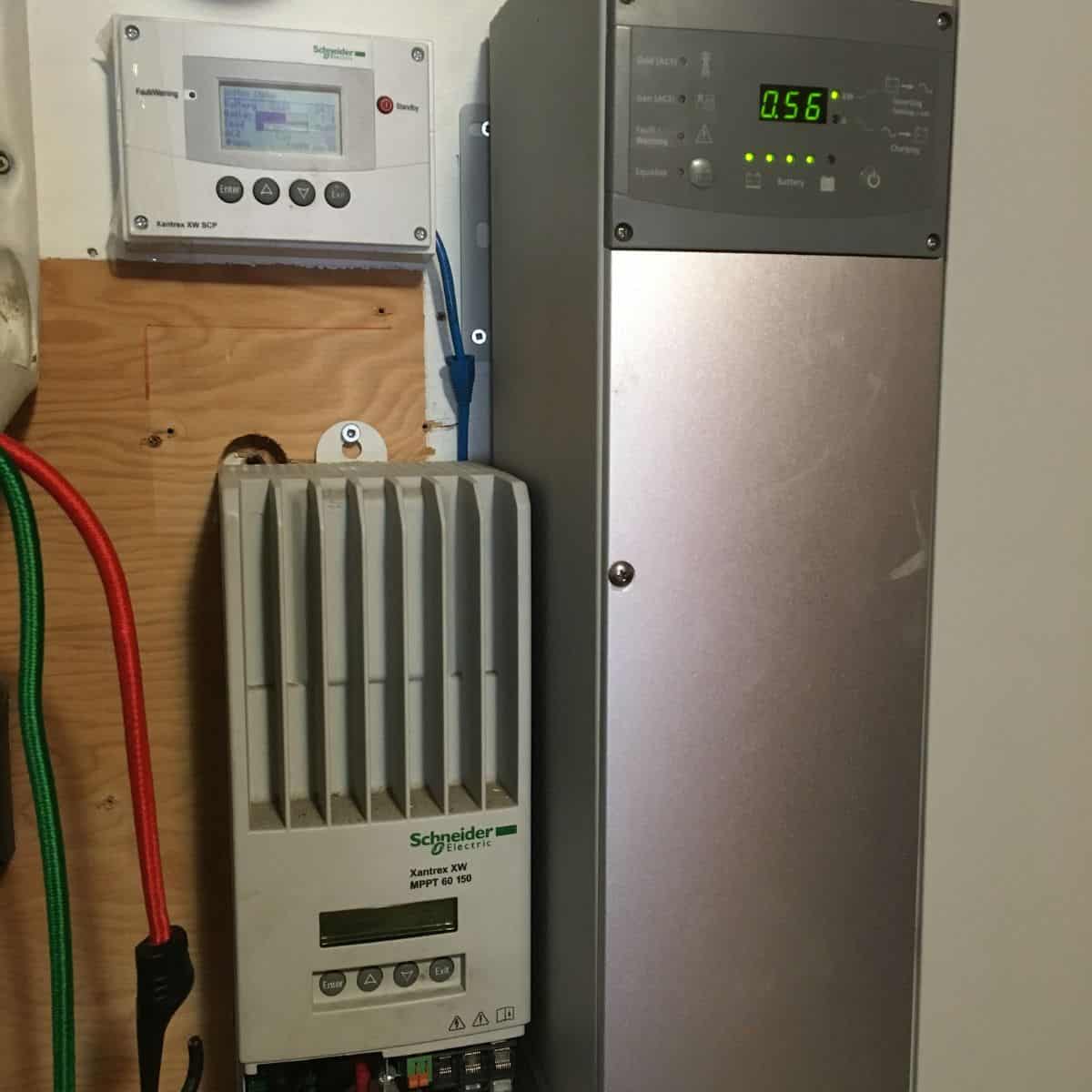
Table of Contents
What Is a Solar System Stress Test for Off Grid Living
A solar system stress test for off grid living shows you how your power system performs under real pressure. You test heavy loads, cloudy weather, low battery levels, winter solar production, and emergency reserve power before you actually need them. This helps you find weak batteries, undersized inverters, hidden power draws, wiring problems, and habits that drain your system too fast.
Why Most Off Grid Solar Calculations Fail in Real Conditions
Your spreadsheet didn't lie to you on purpose. It just didn't live in your house.
Standard solar calculations use average daily loads, ideal sun hours, and tidy usage patterns. Real off grid life throws cloudy weeks, surprise pump cycles, power tools, winter darkness, and hungry kids into the mix.
The math that looked solid on paper can crumble the first time your family runs the washing machine, charges batteries, heats lunch, and pumps water in the same hour.
Most system failures happen because of these real-world gaps.
Phantom loads run all day and night. Wi-Fi routers, power adapters, clocks, satellite internet gear, and anything with a glowing light can pull power 24/7.
Motor starts need more power than running loads. A well pump, fridge, freezer, or washing machine may surge three to seven times higher than its normal running wattage.
Seasonal solar production changes fast. In northern climates, December solar production can fall far below July production, especially with low sun, snow, short days, and heavy cloud cover.
Battery banks don't give you every amp hour on the label. Lead-acid batteries usually need a shallower discharge if you want them to last. Cold weather also reduces usable capacity.
Inverter losses matter. Every bit of power that runs through your inverter comes with some loss, and those small losses add up over a week.
Stress testing brings these hidden problems into the open. The goal isn't to break your system for fun. The goal is to create controlled pressure so you know what needs attention before a winter storm, wildfire smoke, heat wave, or equipment failure shows up.
The U.S. Department of Energy notes that stand-alone renewable energy systems often need batteries, charge controllers, power conditioning equipment, safety equipment, meters, and other monitoring tools, which is why testing the whole system matters.
For more background, link this section to your post on off grid power systems and your beginner guide to solar panels for off grid homes.
How Do You Stress Test an Off Grid Solar System?
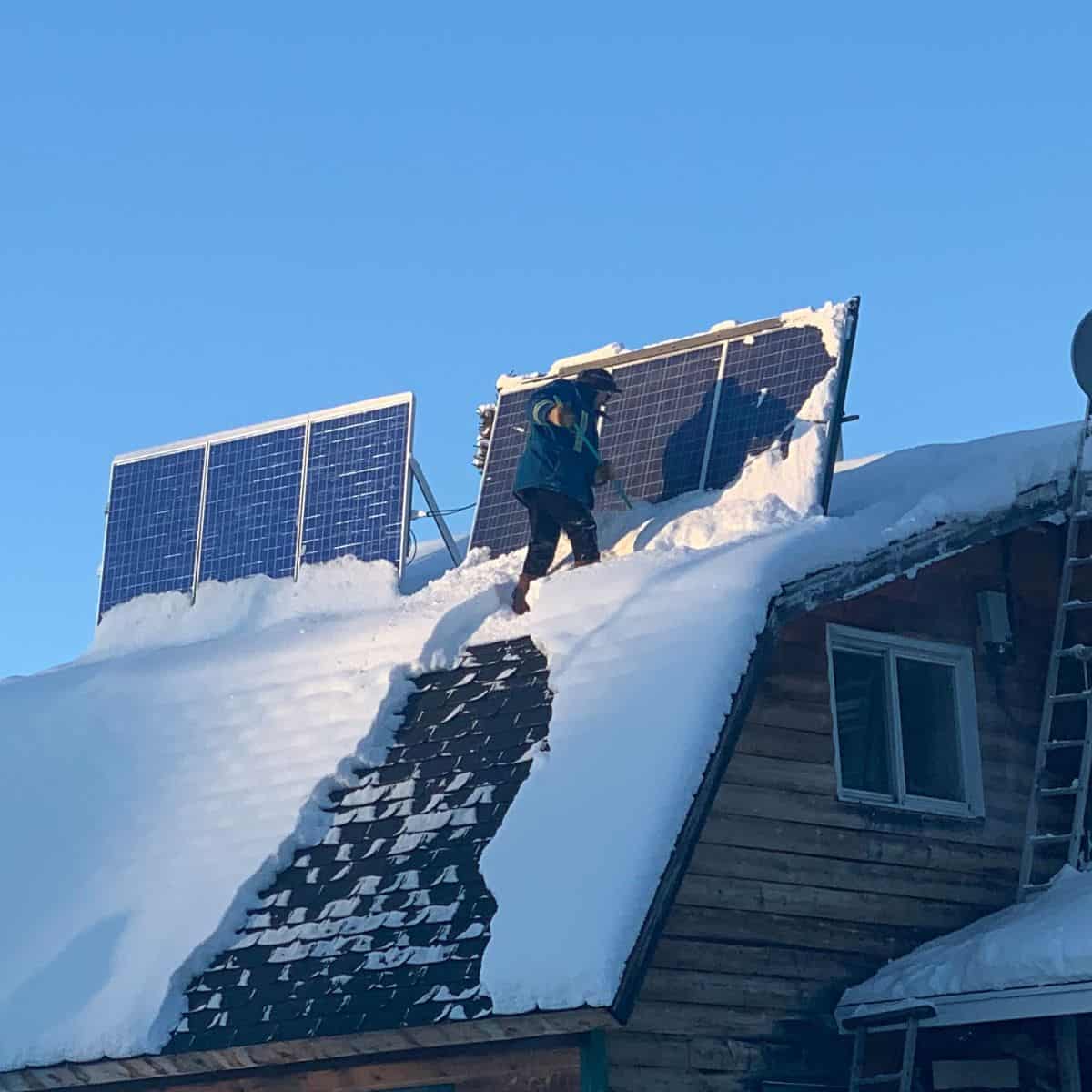
To run a solar system stress test for off grid living, test your system under heavy loads, low battery conditions, cloudy weather, winter production, and emergency reserve use. Track battery state of charge, voltage under load, inverter behavior, solar input, and recovery time. Then use the results to decide whether you need more battery storage, more solar panels, better wiring, a larger inverter, lower loads, or different daily habits.
Start small and stay safe. Don't open electrical panels or touch live wiring unless you know what you're doing.
Solar System Stress Test Table
Use this table as your quick field checklist. Print it, add it to a binder, or copy it into a spreadsheet.
| Stress Test | What To Run | Best Time To Test | What To Watch | What The Results Tell You |
|---|---|---|---|---|
| Morning surge test | Coffee maker, toaster, water pump, fridge, lights | Early morning before strong solar input | Inverter alarms, voltage drop, state of charge | Whether your system handles breakfast loads before the sun helps |
| Cloudy week test | Normal daily loads without generator help | During a real cloudy stretch | Evening battery state of charge | Whether your battery bank can handle poor solar weather |
| Heavy load test | Well pump, washing machine, microwave, power tools | Midday and again at lower battery charge | Inverter overload, voltage sag, breaker trips | Whether your inverter and wiring can handle combined loads |
| Winter production test | Normal winter routine | December or January | Daily solar input vs. daily use | Whether winter production keeps up with real demand |
| Emergency reserve test | Fridge, freezer, lights, water pump only | Anytime, but choose a safe window | How long batteries support critical loads | Whether you can survive a solar failure or storm outage |
The Five Load Scenarios Every System Should Survive
Run these tests in different conditions, and you'll find the weak points in your setup.
Don't just run them once on a sunny afternoon. Test during different weather, different battery states, and different seasons.
The Morning Surge Test
Start your day at about 50% battery state of charge. Then run your normal breakfast loads while the sun is still low.
This might include your coffee maker, toaster, fridge, freezer, lights, water pump, and any small kitchen appliances you use most mornings.
If your inverter shuts down or your battery voltage drops hard under load, you've found a weak point. You may need more battery capacity, thicker cables, a different load schedule, or a larger inverter.
This test matters because mornings can hit off grid homes hard. You're using power before your solar panels have had time to replace anything.
The Cloudy Week Simulation
Pick a poor-weather week and run your normal daily loads without leaning on your generator.
Start around 80% battery charge. Track your state of charge every evening.
If you drop too low by day three or four, your battery bank may be too small for your real life. Or your daily loads may be higher than you thought.
This solar system stress test for off grid homes gives you one of the most useful numbers you can have: how long your system lasts when the sun disappears.
The Simultaneous Heavy Load Test
This is where many off grid solar systems struggle. Run your well pump, washing machine, microwave, and a few other real loads at the same time. If you use power tools, test those too.
You don't need to abuse your system. But you do need to see what happens when real family life stacks loads together.
Your inverter may handle each load on its own. But the combined surge from motors can trigger overload shutdowns.
If that happens, you have two choices. Upgrade the equipment or change the way your household uses power.
The Winter Production Test
Run this test in December or January if you live in a cold or northern climate. Track how many amp hours or kilowatt hours your panels produce on an average winter day. Then compare that to what your home uses.
If your solar production doesn't beat your daily use, your battery bank will slowly drain. It might not happen in one day, but it can sneak up over a week.
Winter also adds sneaky loads. Heat tape, more indoor lighting, more device charging, and longer fridge or freezer cycles can all change the numbers.
The Emergency Reserve Test
Shut off solar input and run only your critical loads.
That usually means your fridge, freezer, a few lights, water pumping, and maybe communications gear.
Track how many hours or days your battery bank supports those loads. Many off grid families like to have three to five days of reserve, but your target depends on your climate, budget, and backup options.
If you can't make it 48 hours on critical loads, take that seriously. A damaged array, a failed charge controller, or a long storm could put you in a tough spot.
What Your Voltage Readings Reveal Under Load
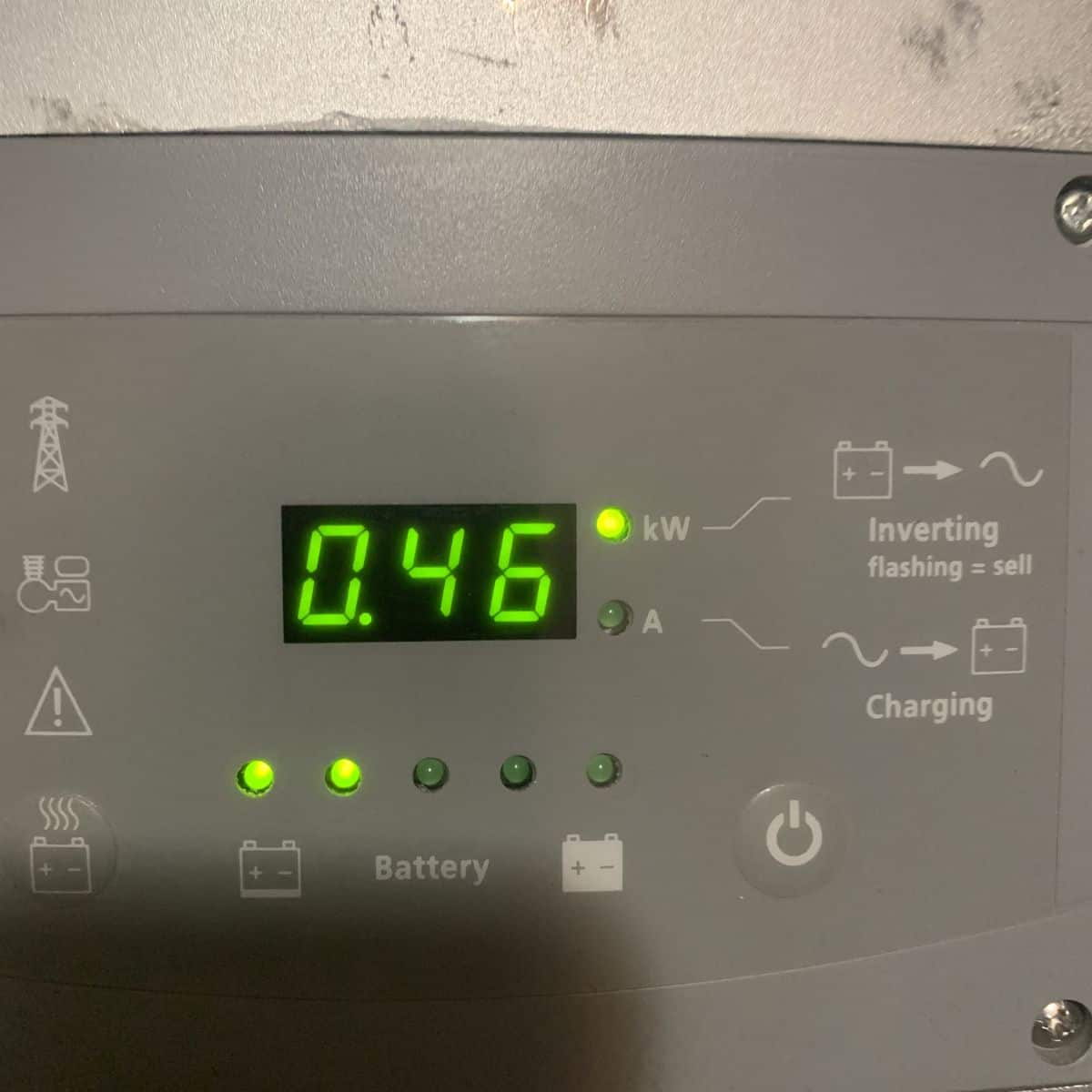
Battery voltage under load tells a different story than resting voltage.
Your batteries might show 12.7 volts when nothing runs. Then your well pump starts, and the voltage drops fast.
A sharp voltage drop can point to weak batteries, undersized cables, poor connections, or too much load for your battery bank.
Watch for these patterns
Rapid voltage drop during motor starts may mean your battery cables are too small or your battery bank can't deliver enough current.
Slow voltage recovery after loads shut off may mean your batteries are old, sulfated, or chronically undercharged.
Voltage that sags too low under normal loads means your system is working too hard. That can shorten battery life and create more stress on the whole setup.
Don't rely on one reading. Track the pattern across several tests.
A reliable system should handle normal heavy loads without dramatic voltage sag. If the numbers look rough during a controlled test, they'll look worse in a storm.
My Experience: When the Numbers Met Reality
I still remember the first winter after we moved off the grid and had to deal with our first of several solar setups.
Everything looked good on paper. We'd calculated the loads, added a safety margin, and thought we were ready.
Then January hit.
Three dark days lined up with extreme deep cold, with highs of -42C and lows of -48C. Our battery bank state of charge dropped faster than expected, even though I thought we were running only the basics.
The fridge cycled more often. The propane-run boiler used far more power than we'd fully accounted for. And with only about four hours of daylight, we were using more lights and charging more devices than in warmer months.
That winter taught me something I still follow now. Don't trust a perfect-weather test.
A real solar system stress test for off grid living needs bad weather, low sun, family routines, and the boring little loads that run when nobody thinks about them. That's where the truth shows up.
We've changed systems, added capacity, and learned to plan power use around the season. I don't look at solar as a set-it-and-forget-it system anymore. I look at it as part of our off grid routine, just like firewood, water, food storage, and winter prep.
The Gear and Tools You Need To Test Properly
Guessing your way through a stress test gives you fuzzy results.
You need basic tools that show what happens while your loads run.
A shunt-based battery monitor tracks amps flowing in and out of your battery bank. This gives you a much better view of the state of charge than voltage alone.
A clamp ammeter lets you check current on specific circuits without taking the wiring apart.
A multimeter helps you check voltage at different points in the system. This can show voltage drops caused by poor connections or undersized wire.
A plug-in watt meter shows how much power common household items actually use. It can also reveal standby loads you didn't know existed.
An infrared thermometer helps you spot hot breakers, bus bars, cables, and connections under load.
Don't skip safety. Solar systems, batteries, and inverters can hurt you, damage equipment, or start fires when handled the wrong way. If you don't know how to test something safely, hire a licensed electrician or solar installer.
OSHA warns that solar electrical hazards can include shock, burns, falls, and other risks, so don't open panels or handle live wiring unless you're trained to do it safely. And NREL's guide to operation and maintenance of photovoltaic and energy storage systems explains why regular checks, performance tracking, and maintenance planning matter for solar systems with battery storage.
Common Mistakes That Ruin Your Test Results
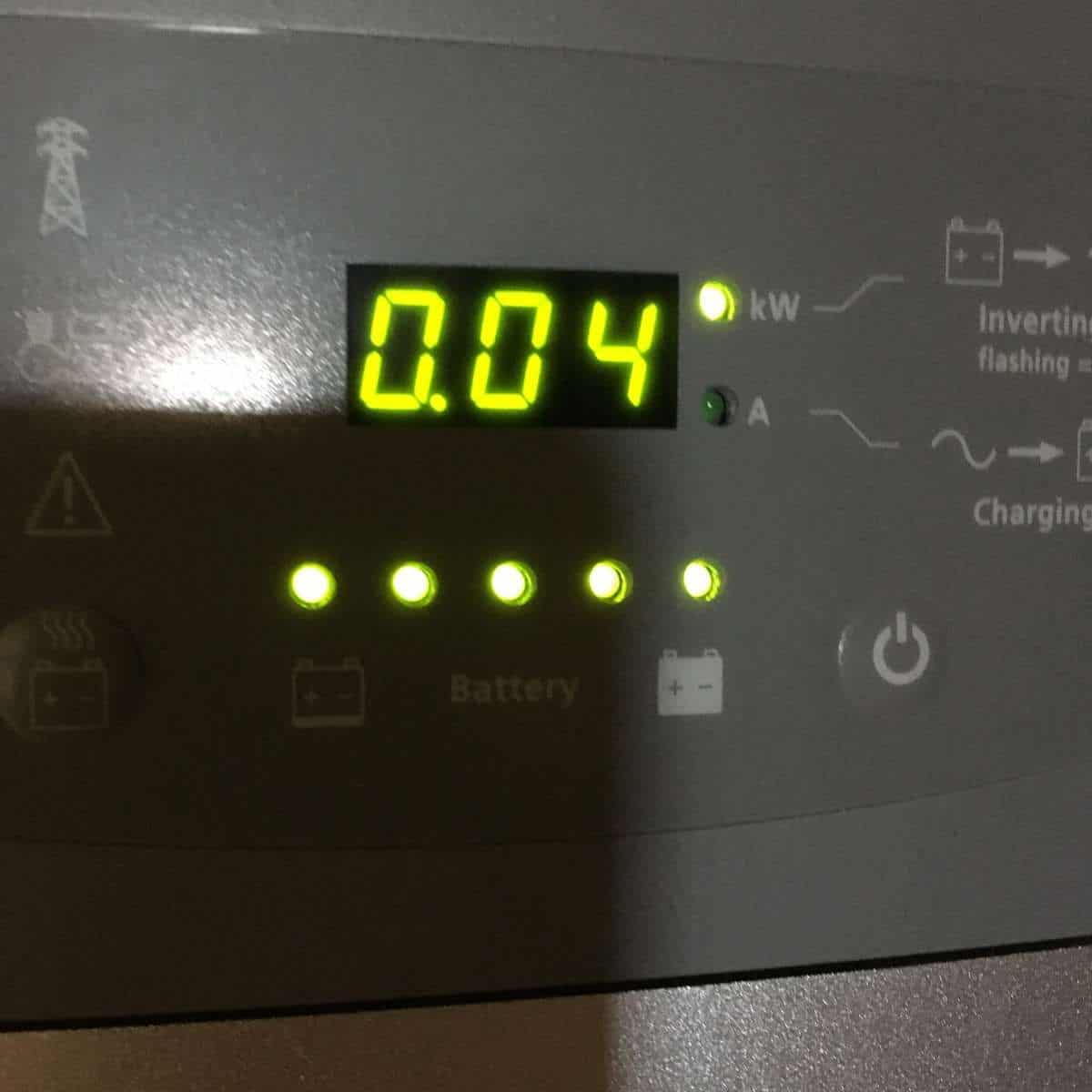
A bad test gives you false confidence. And that's worse than no test at all.
The biggest mistake is testing at 100% battery charge on a sunny day while running loads you rarely use together. That doesn't show real off grid performance.
Here are the mistakes to avoid
Don't run the test too short. A ten-minute test may miss the voltage sag that shows up 30 minutes into a sustained load.
Don't test only in perfect weather. Cold weather can reduce battery performance. Extreme heat can also affect equipment.
Don't ignore the second or third day. Your system might handle one hard day and then struggle after several cloudy days.
Don't assume the generator will always save you. Generators fail, fuel runs out, and repairs can take time in remote areas.
Don't skip emergency-only loads. Your well pump may not cycle often on a normal day, but a leak, dry spell, or livestock need can change that fast.
The only test results worth trusting are the ones that come from realistic conditions.
How To Turn Test Results Into Better Off Grid Power
Data won't help unless you act on it. Once you finish your tests, sort your results into three buckets: add capacity, reduce loads, or change habits.
- If voltage sags under heavy loads, look at battery capacity, cable size, and connections.
- If batteries drain too fast during cloudy weather, look at solar panel capacity, storage capacity, and daily use.
- If the inverter shuts down when motors start together, look at inverter size and load timing.
Sometimes the smartest fix costs nothing. Run the washing machine during peak sun. Charge tool batteries at midday. Heat water when solar production is strongest. Save heavy kitchen loads for daylight hours when you can.
These small habits can make your system feel much larger. A solar system stress test for off grid living isn't about making you fearful. It's about troubleshooting, problem-solving and gaining confidence.
When you know what your system can handle, you stop guessing. You know when to conserve, when to run the generator, when to upgrade, and when your family can carry on as usual.
That's the whole point of off grid power. Not perfection. Just a steady, practical system you can trust when life gets messy.