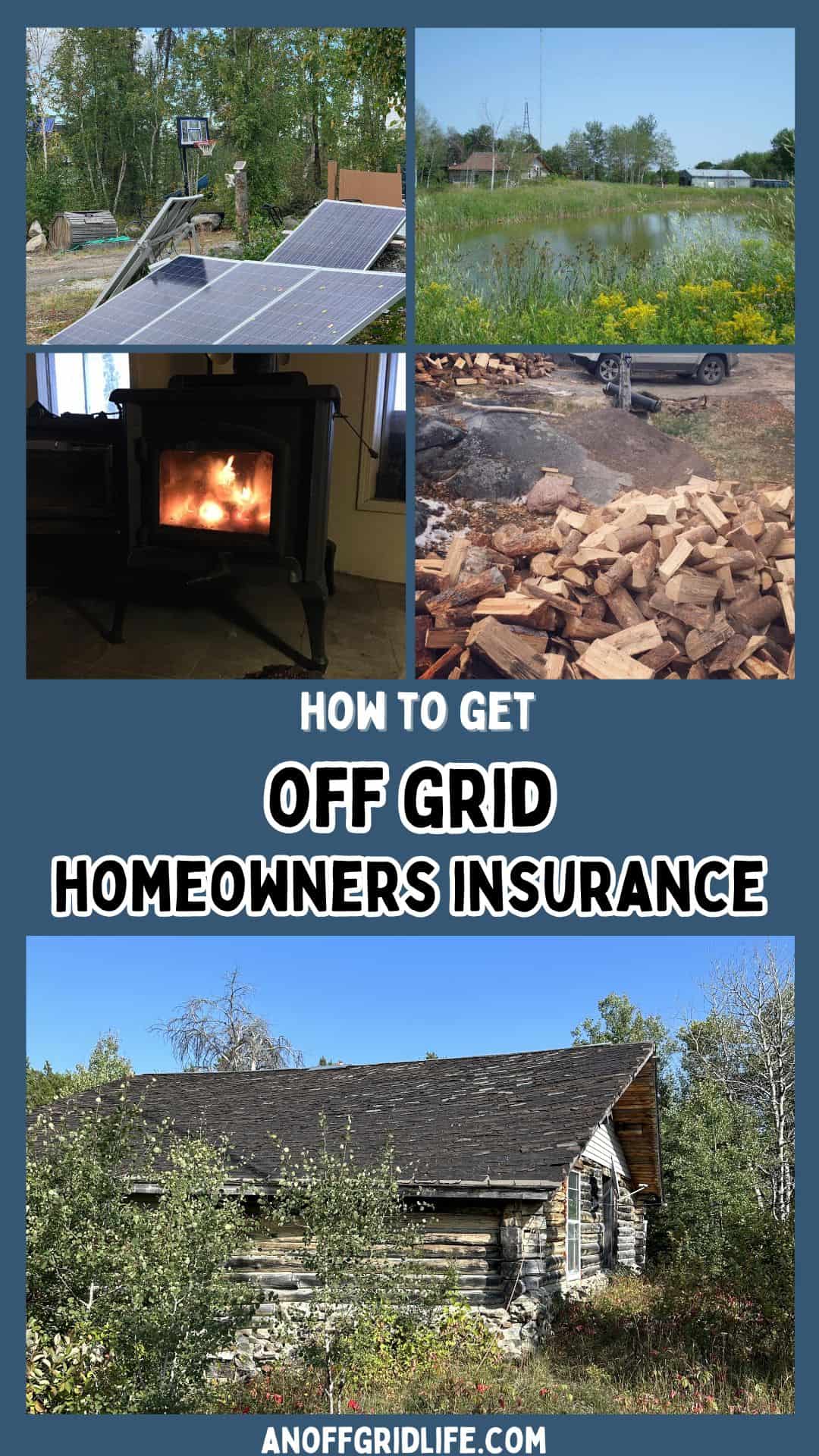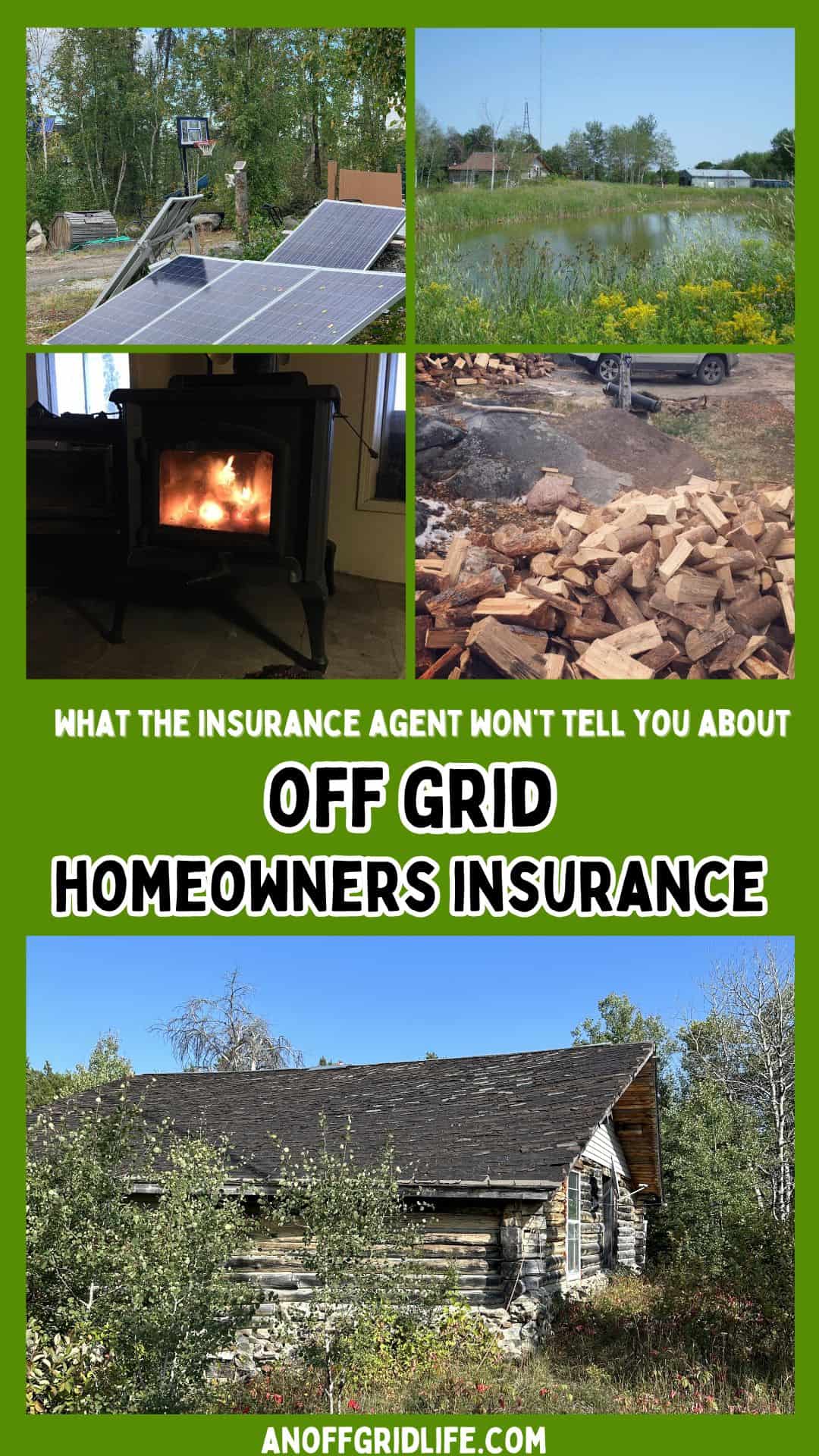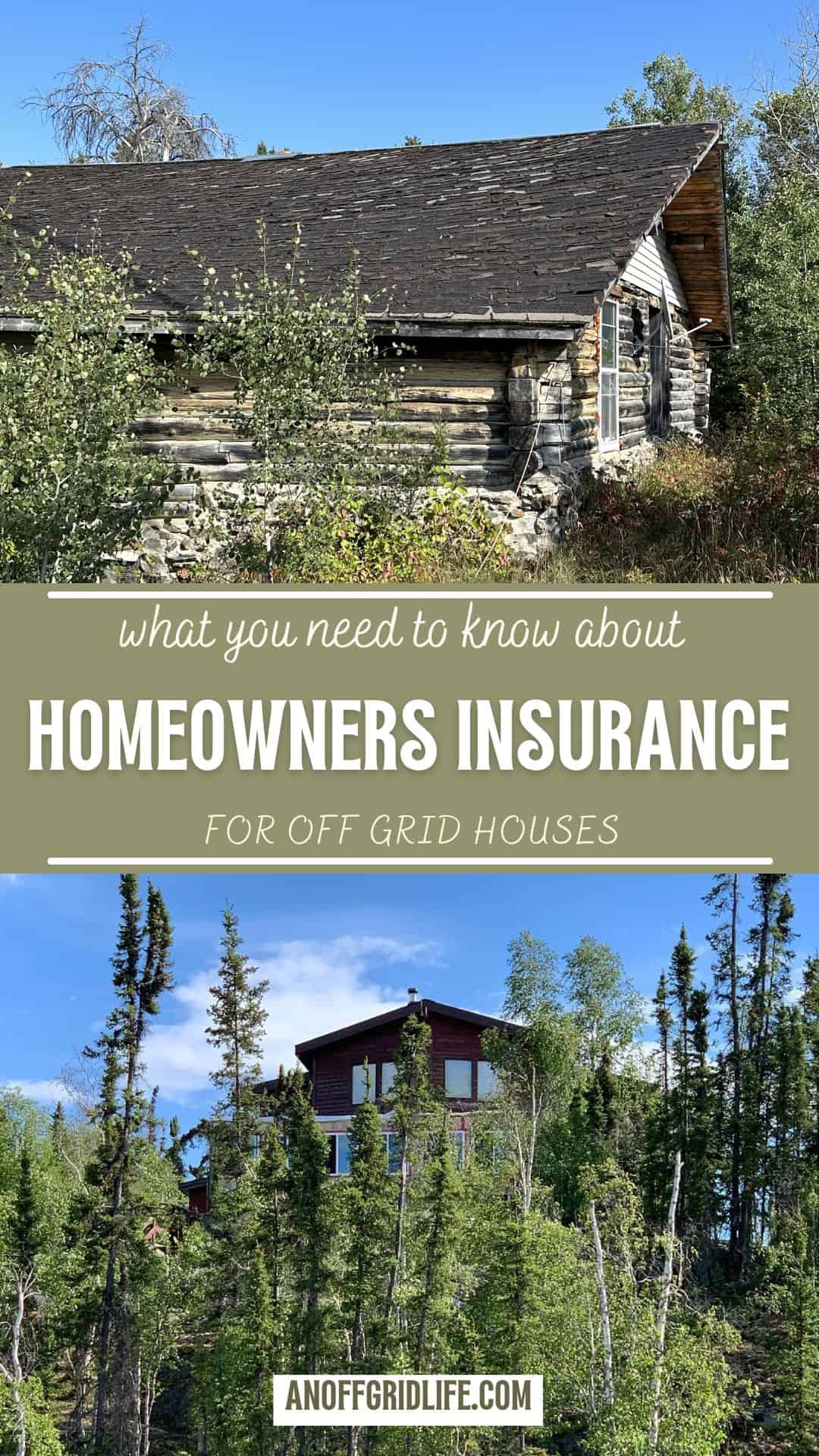
Off grid home insurance can protect an off-grid cabin, rural homestead, second home, or primary residence, but you may need a different insurance company than someone with a standard house in town.
Most insurance companies don't reject off-grid homes just because they're off-grid. They reject them when the risk feels unclear.
If you can show safe systems, good records, year-round access, and the right coverage needs, you'll have a much better chance of getting insured.
This article gives general information only. Always ask an independent insurance agent or licensed insurance expert about your own property.
Quick Answer: Can You Get Off Grid Home Insurance?
Yes, you can get off grid home insurance, but coverage depends on your location, home use, heat source, solar panels, water system, road access, and distance from emergency services.
Many off-grid homes need rural homeowners insurance, cabin insurance, seasonal home insurance, vacation home insurance, flood insurance, or additional coverage for alternative energy systems.
The right coverage depends on how you use the property and what risks the insurance provider sees.
Table of Contents
My Experience Getting Insurance For An Off-Grid Home
When we bought our off-grid home in 2013, it had already been insured by the previous owners. At first, we stayed with that same insurance company because it seemed like the simplest option.
The problem was the cost.
The premiums were extremely expensive, even though the home was already set up for off-grid living. The following year, we switched to TD Meloche Monnex, and our premiums went down.
That taught me something important. The first insurance company that says yes isn't always the best fit.
It's worth comparing insurance companies, especially when you own an off-grid home with solar panels, wood heat, water systems, or a remote location.
Then things changed again after the 2023 wildfires that swept through the Northwest Territories. Our insurance premiums went way up, as they did for many property owners in higher-risk areas.
One thing that has helped minimize the increased premiums is our water pump system from the lake. Even though we're far from any fire departments, we're also very close to a massive water source.
Insurers like seeing that kind of fire protection. It may reduce the risk of severe damage in a worst-case scenario.
So yes, off grid home insurance can be expensive. But the right details matter.
Your water source, fire access, heating system, maintenance records, and location can all affect your insurance options.
What Counts As An Off-Grid Home?
Off-grid homes don't rely fully on public utilities. Some run completely on solar panels, wind turbine power, well water, septic, composting toilets, wood heat, or geothermal pumps.
Others are only partly off-grid.
For insurance purposes, the insurance carrier cares less about the label and more about how the home works.
| Feature | Why Insurance Companies Ask About It |
|---|---|
| Solar panels | Adds equipment value and electrical questions |
| Battery bank | May need alternative energy coverage |
| Wind turbine | Adds replacement cost and storm risk |
| Wood-burning stoves | Raises fire hazard concerns |
| Coal stoves | May limit insurance options |
| Geothermal heat pump | May increase the value of your home |
| Well water | Raises water damage and maintenance questions |
| Septic system | May require inspection or service records |
| Remote location | Affects fire response and emergency services |
| Seasonal use | May raise vacant home concerns |
If you're still learning how off-grid systems work together, read my guide to off-grid homesteading.
What Type Of Insurance Policy Do You Need?
The right policy depends on how you use the property. This is where many property owners get into trouble.
Don't call a seasonal cabin your primary home just to get a cheaper quote. That can cause claim problems later.
| Property Use | Likely Insurance Option |
|---|---|
| Primary home | Homeowners policy or rural homeowners insurance |
| Secondary home | Secondary home or seasonal home insurance |
| Second home used for weekends | Cabin insurance or vacation home insurance |
| Vacation homes | Vacation home insurance |
| Rental property | Landlord insurance policy |
| Small cabin used part-time | Cabin insurance or seasonal property policy |
| Mobile home | Mobile home insurance |
| Vacant home | Vacant home policy or separate policy |
A primary residence usually has more insurance options than seasonal properties. A rental property has different risks because other people use the home.
If you're still shopping for rural land, it's a good idea to ask insurance questions before you make an offer. My guide on how to find homestead land can help you think through access, location, and long-term use.
Why Insurance Companies See Off-Grid Homes As Higher Risk
Insurance companies price risk. Off-grid homes often include different things than standard homes, and many home insurers don't know how to price those systems.
That doesn't mean off-grid living is unsafe. It just means you need to give clear proof that your home is safe and maintained.
The most common risk questions include:
- Is the home in a remote area?
- How far is it from emergency services?
- Is the road open during severe weather?
- Does the home use solar panels, batteries, or a wind turbine?
- Does the home have wood fireplaces, wood-burning stoves, or coal stoves?
- Is the home used as a primary home, secondary home, or rental property?
- Does the property sit empty for an extended period?
- Is there a higher risk of natural disasters?
- Does the area have flood, wildfire, or extreme weather concerns?
Insurance companies also look at your claims risk after severe weather. Fire, flood, wind, hail, and water damage can all affect the cost of home insurance.
For more on what home insurance may cover after a natural disaster, see this insurance and emergency preparedness guide.
What Coverage Should Off-Grid Homeowners Ask About?
Traditional homeowners insurance may not cover every off-grid system. You need to ask about insurance coverage in plain language and get answers in writing.
Don't assume solar panels, batteries, or outbuildings are covered. Ask your insurance provider to explain exactly what's included, limited, or excluded.
| Coverage | What To Ask |
|---|---|
| Dwelling coverage | Does it cover the full value of your home? |
| Personal property coverage | Does it cover personal belongings, tools, and stored supplies? |
| Liability coverage | Does it include personal liability for visitors, guests, and workers? |
| Other structures | Are sheds, barns, shops, and greenhouses included? |
| Additional living expenses | Does it help if you can’t live in the home after a covered claim? |
| Alternative energy coverage | Are solar panels, batteries, and wind systems covered? |
| Flood insurance | Do you need a separate policy? |
| Water damage | What types of water damage are excluded? |
| Fire coverage | Are wood-burning stoves or wood fireplaces allowed? |
| Rental use | Do you need a landlord insurance policy? |
| Vacant home coverage | What happens if the home sits empty? |
Flood insurance usually needs special attention.
A standard homeowners insurance policy often does not cover flood damage. The NAIC explains common homeowners insurance coverage types, including dwelling, personal property, liability, and additional living expenses, in this guide to homeowners insurance coverage.
How Solar Panels And Alternative Energy Affect Insurance
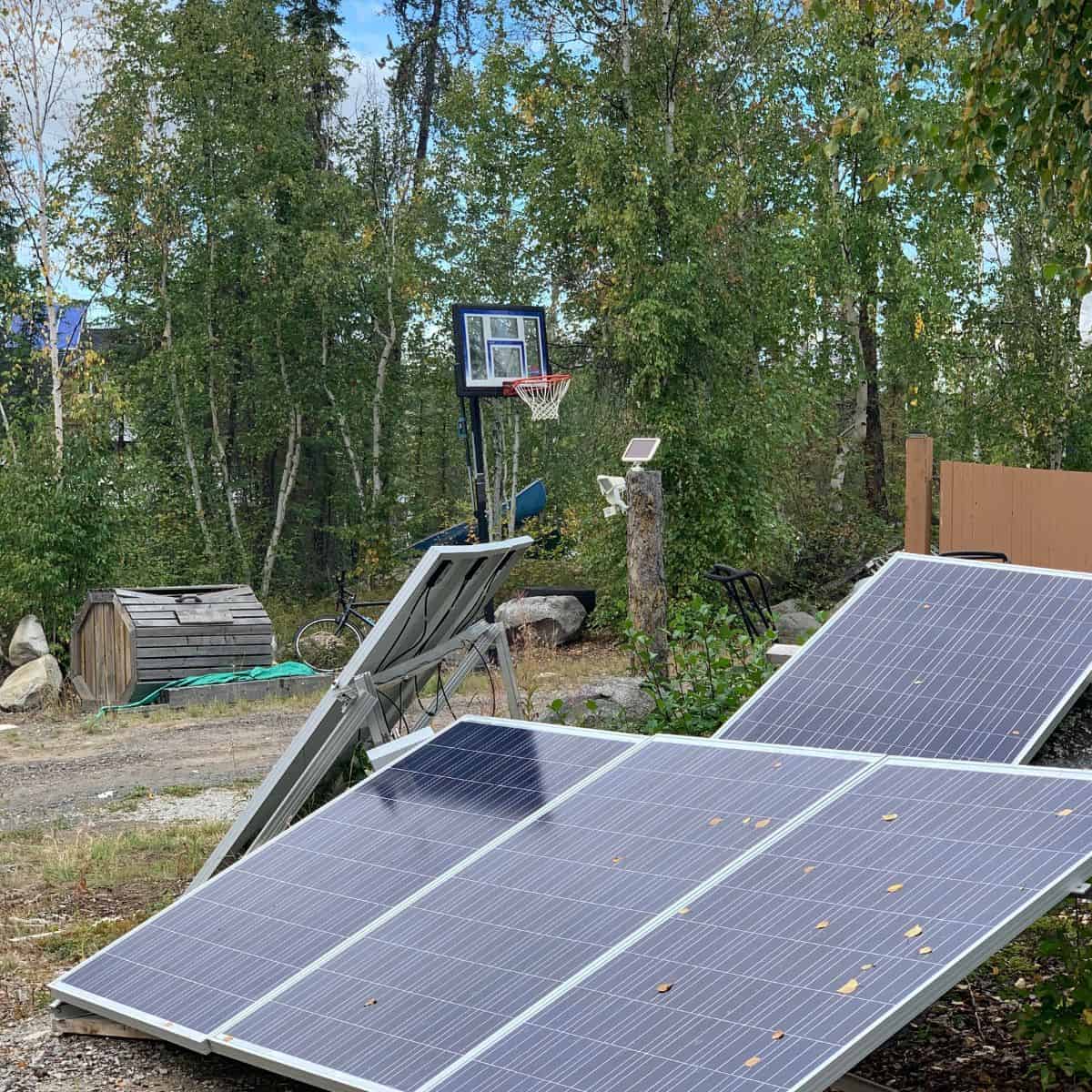
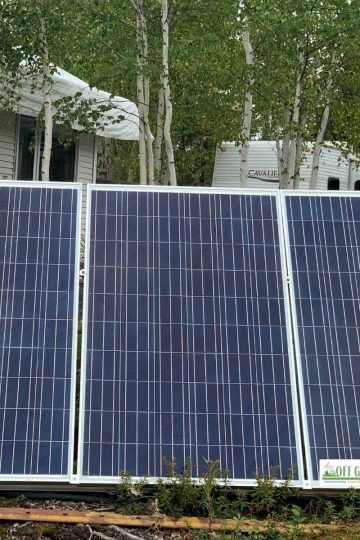
Solar panels can increase the cost of home insurance because they raise the equipment value and replacement cost of your property. They may also need additional coverage.
That doesn't make solar a deal-breaker. It just means the insurance company needs details.
Gather this information before asking for quotes:
- Solar panel make and model
- Total system size
- Battery storage details
- Inverter details
- Installation date
- Installer name
- Permit or inspection record
- Equipment value
- Photos of the system
- Maintenance records
Ask whether the system falls under your homeowners policy or needs alternative energy coverage. If it sits away from the house, ask whether it counts as another structure or needs a separate endorsement.
If you're building or upgrading your system, read my solar system stress test for off grid guide before you rely on it full-time.
How Fire Risk Affects Off Grid Home Insurance
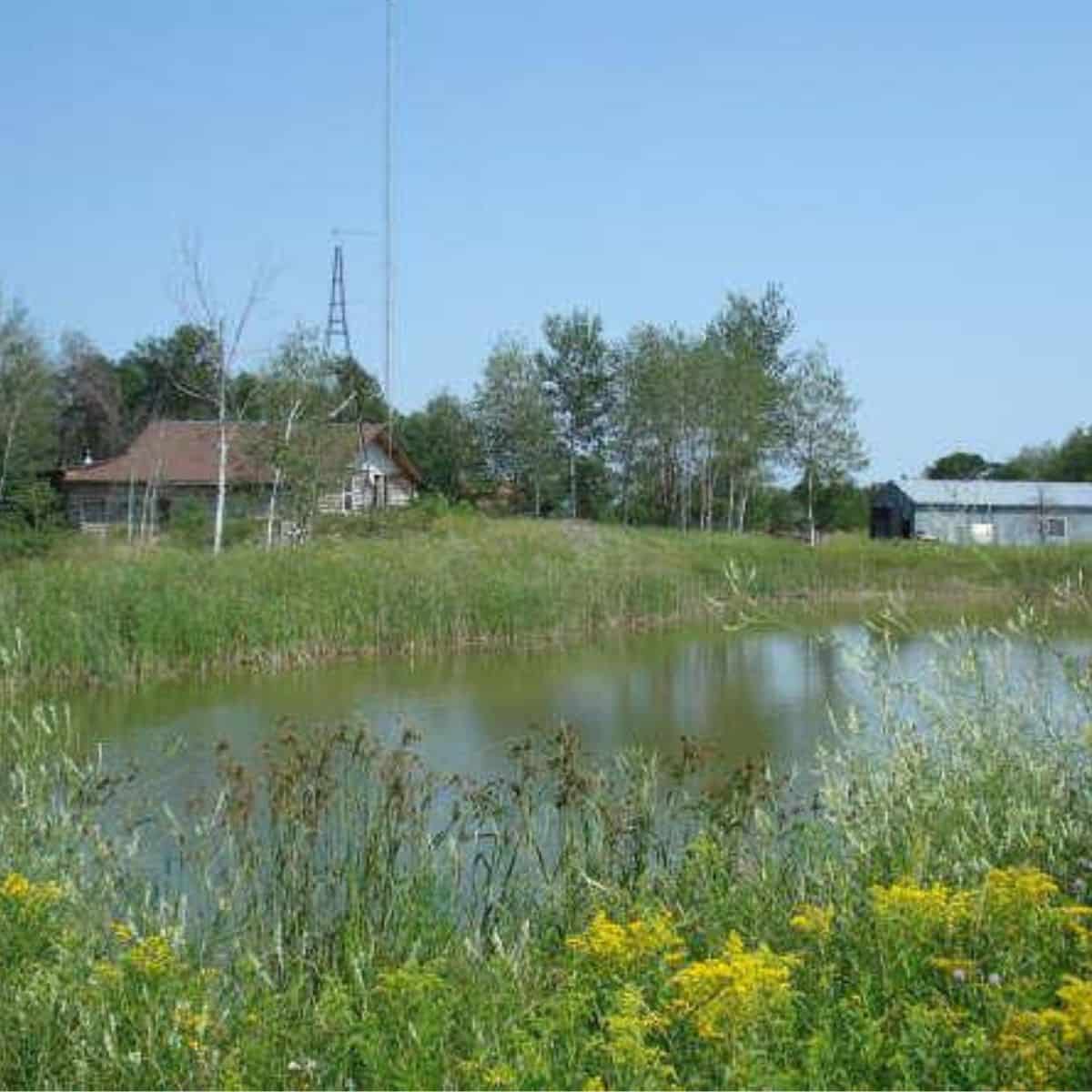
Fire risk is one of the biggest concerns with off-grid home insurance. This matters even more if your home sits in a remote location, far from emergency services or fire departments.
Insurance companies want to know how likely a fire is and how quickly someone could respond. That's why they ask about wood heat, road access, water sources, and fire prevention.
| Fire Risk Factor | Why Insurers Care | What Helps |
|---|---|---|
| Wood-burning stoves | Higher fire hazard if poorly installed | Professional installation and inspection records |
| Wood fireplaces | Chimney fires and clearance issues | Chimney cleaning records and photos |
| Coal stoves | Some home insurers see them as higher risk | Clear documentation and approved installation |
| Remote location | Slower emergency response | Road access details and nearby water sources |
| Severe weather | Wildfire and storm damage risk | Brush clearing and defensible space |
| No hydrants | Less water for fire response | Lake, pond, water tank, or pump system access |
We've seen this ourselves with our lake pump system. Even though our off-grid home sits far from fire departments, we're very close to a massive water source. Having a water pump system from the lake has helped insurers view the property more favourably.
Before you apply, gather proof of anything that reduces fire risk.
- Wood stove or fireplace inspection
- Chimney cleaning records
- Smoke alarm and carbon monoxide alarm details
- Fire extinguisher locations
- Photos of cleared brush near the home
- Details on nearby lake, pond, or water tank access
- Pump system details
- Driveway and road access notes
- Any fire department or emergency services information
Don't hide wood heat or remote access issues. Tell the insurance company what you have, then show them how you've reduced the risk.
What Documents Do You Need Before You Ask For Quotes?
Good records make off-grid home insurance easier to find. They also help your independent insurance agent compare insurance products on an individual basis.
Create a digital folder before you start calling. Then add these documents:
| Document | Why It Helps |
|---|---|
| Photos of the home | Shows condition and access |
| Photos of outbuildings | Helps value extra structures |
| Solar records | Proves safe installation and equipment value |
| Heating records | Reduces fire hazard concerns |
| Well and septic records | Helps with water damage and system questions |
| Permits | Shows legal installation |
| Inspection reports | Builds trust with the insurance carrier |
| Maintenance records | Shows responsible ownership |
| Road access details | Helps remote location underwriting |
| Fire safety photos | Shows risk reduction |
| Personal belongings list | Helps with personal property coverage |
This is where off-grid homeowners can get a competitive edge. Many people apply with vague answers. You'll stand out if you bring clear proof.
If your property has older buildings, unfinished work, or planned renovations, read cabin building permits for beginners before you start changing major systems.
Should You Use An Independent Insurance Agent?
Yes, using an independent insurance agent can be a good idea for off-grid homes. They can compare different insurance companies instead of giving you one quote from one insurance provider.
This matters because off-grid homes have unique needs. One insurance company may say no, while another may offer the right coverage.
Ask the agent:
- Have you insured off-grid homes before?
- Which insurance companies cover rural homes in this area?
- Do you work with home insurers that cover solar panels?
- Can you quote cabin insurance and seasonal home insurance?
- Can you quote vacation home insurance?
- Can you help with flood insurance?
- Do you offer liability insurance or umbrella coverage?
- What could raise my insurance premium?
- What could lead to a denial?
- What insurance policies should I compare?
You can also go direct to an insurance company like The Cooperators, State Farm, or The Prudential. If you know other off grid property owners in the area, ask which insurance company they use.
Then compare quotes from different insurers through an independent agent. You may find there's a price difference between dealing directly with the insurer vs an broker for off grid homes.
What Can Raise The Cost Of Home Insurance?
The cost of home insurance depends on the property, not just the lifestyle. Off grid homes in a remote location may cost more because claims can be harder and slower to handle.
Some risks matter more than others. The biggest cost factors include:
- Distance from emergency services
- Wildfire risk
- Flood risk
- Severe weather exposure
- Wood heat
- Older homes
- Outdated wiring
- No recent inspections
- Seasonal use
- Vacant home periods
- Rental property use
- High equipment value
- Long private road or poor winter access
- Lack of permits
You may lower your insurance premium by reducing risk. Clear brush, maintain chimneys, document solar systems, install alarms, secure outbuildings, and keep the home checked when you're away.
This is also where local climate risk matters. After the 2023 Northwest Territories wildfires, we saw our own premiums rise even though our home had already been insured for over 40 years through different homeowners.
When Do You Need A Separate Policy?
Some off-grid properties need a separate policy because one homeowners policy may not cover every risk. This is common with flood insurance, rental use, vacant homes, and some seasonal properties.
Ask before you assume. You may need a separate policy for:
- Flood insurance
- Rental property
- Vacant home
- Seasonal properties
- Mobile home
- High-value solar panels
- Business use
- Farm or livestock use
- Equipment stored in outbuildings
In the United States, FEMA's National Flood Insurance Program provides flood insurance to property owners, renters, and businesses. In Canada, ask your insurance provider what overland water, sewer backup, and flood-related coverage options are available in your province.
If you have a private lender, ask what coverage they require. Lenders often want proof of insurance before closing. For more help with that part, read my guide to off-grid land financing.
Common Mistakes To Avoid
You don't need a perfect property to get insured. But you do need honest answers and good records. Avoid these mistakes.
| Mistake | Better Choice |
|---|---|
| Hiding off-grid systems | Disclose them upfront |
| Calling a second home your primary home | Use the correct property type |
| Assuming solar panels are covered | Ask about alternative energy coverage |
| Ignoring flood insurance | Ask whether you need a separate policy |
| Skipping wood stove inspections | Get records before applying |
| Underinsuring personal belongings | Make a simple inventory |
| Forgetting liability coverage | Ask about personal liability limits |
| Accepting the first quote | Compare insurance options |
| Not reading exclusions | Ask what is not covered |
| Waiting until closing week | Start early |
The worst-case scenarios usually happen when people guess. Ask direct questions now so you don't carry the financial burden alone after a claim.
Final Off-Grid Home Insurance Checklist
Before you apply, gather the basics in a folder. Use this checklist to stay organized.
- Property address or legal description
- Primary home, second home, secondary residence, cabin, or rental property status
- Photos of the house
- Photos of outbuildings
- Solar panel details
- Battery and inverter details
- Wind turbine details if applicable
- Geothermal heat pump records if applicable
- Wood heat or coal stove records
- Well and septic records
- Fire safety details
- Distance to emergency services
- Road access details
- Personal belongings estimate
- Equipment value
- Flood insurance questions
- Liability coverage questions
- Lender requirements if you have a private lender
Keep this folder updated each year. It may help when you renew, compare quotes, or add additional coverage.
It is Possible to Insure an Off Grid Home
Off-grid home insurance is possible, but it takes better records than a standard home in town. The more clearly you explain your systems, the easier it is for insurance providers to understand the real risk.
Start early, especially if you need to finance your home. Work with insurance experts who understand rural homes, compare insurance options, and get the details in writing before you choose a policy.
Off grid living can be a great way to lower your carbon footprint and build a more self-reliant life. Just make sure your insurance coverage protects the home, tools, systems, and personal belongings you've worked hard to build.
Like this post? Save it, share it, and read it!