If you want your garden to do more than supply a few summer salads, start with the right seeds. The best survival garden seeds help you grow food that fills your pantry, stores well, and supports a more resilient food source when prices rise, supply chains wobble, or weather turns strange.
A survival garden isn't the same as a kitchen garden. It puts food security first and focuses on calories, storage life, seed viability, protein, and repeatable harvests instead of novelty. The best survival garden seeds are usually open-pollinated or heirloom seeds that let you save seed, replant next year, and build a stronger home seed bank over time.
Table of Contents
What makes survival garden seeds different?
This is where the strategy starts. It's also where many gardeners make the wrong choices.
A survival garden needs to feed you, not just look pretty
When you choose survival garden seeds, think in terms of pounds of food, calories per square foot, storage life, and how easily you can save seed. Pretty vegetables still have a place, but if you want a garden that helps your household through lean times, you need crops that actually pull their weight.
That usually means you'll give more room to potatoes, dry beans, winter squash, grain corn, and hardy greens than to delicate vegetables with a short picking window. It also means you'll want varieties that can adapt to your region over time instead of forcing you to buy fresh seed packets every spring.
Open-pollinated and heirloom seeds make more sense for long-term resilience
If you want a garden that keeps going year after year, open-pollinated seeds matter. When you isolate them properly and save them well, they grow true to type.
That gives you a real path toward self-reliance. That's one reason it helps to learn more about choosing and saving heirloom seeds before you start building a serious seed bank.
Heirloom seeds belong in this conversation, too. They're often well-suited to home gardeners who want dependable garden seeds, regional adaptability, and better long-term seed-saving potential.
My own survival gardening wake-up call
This part is personal. It shaped the way I think about seeds to this day.
What changed for us in 2020
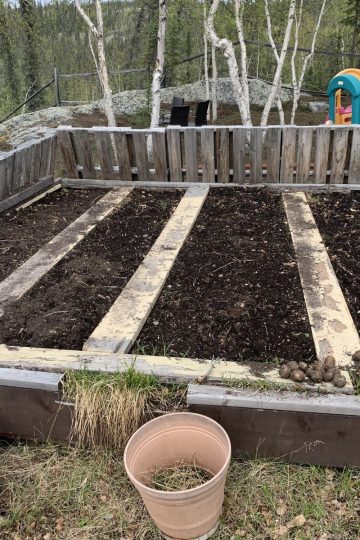
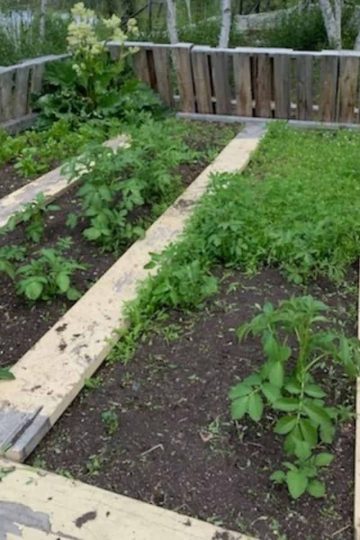
I started looking into survival gardening back in 2020, when the pandemic hit. We were self-isolating at our home near Yellowknife in the Northwest Territories, and I felt deeply uneasy about the food supply chain.
In Canada's far north, everything gets shipped up from B.C., Alberta, and the other provinces. Once panic buying started, we saw meat shortages and fresh produce shortages almost right away. So we did what we could. Along with building a chicken coop, getting 40 cold-hardy chickens, raising turkeys, fishing, and foraging, we expanded our vegetable garden in a big way.
That season changed how I looked at seeds. I started buying better quality Canadian heirloom seeds, learned more about how to save seeds, and swapped seeds with friends to build more resilience into our home food supply. That experience still shapes how I choose varieties now. I want seeds that give me food, future seed, and a little more peace of mind.
What 2020 taught me about survival gardening
When store shelves looked uncertain in the far north, I stopped treating seeds like a seasonal purchase and started treating them like part of our food security plan. That shift pushed me to focus on heirloom seeds, open-pollinated varieties, seed viability, and crops that could truly feed a family instead of just filling a raised bed.
Heirloom vs hybrid for a survival garden seed bank
This distinction in seeds matters. It affects what you can harvest next year, not just this year.
Why hybrids usually aren't the best fit for seed saving
Hybrid seeds can perform beautifully in one season. But if you save seed from many F1 hybrids, the next generation often won't grow true to the parent plant.
That doesn't make hybrids useless. It just makes them a weaker choice for long-term seed saving and sustainable food production. If you want a garden that helps support food security, open-pollinated and heirloom seeds usually make more sense. I learned this the hard way when I was trying to save tomato seeds to plant in the future.
Why genetic diversity belongs in the discussion
This point sounds technical, but it matters. Genetic diversity gives your garden more resilience when weather shifts, pests move in, or disease pressure changes.
A garden built from only a narrow range of varieties can struggle when conditions change. A more diverse seed bank gives you a better hedge against problems and helps support a more resilient food source over time.
The big five survival garden seeds to prioritize
You don't need fifty varieties. You need a solid core collection of survival gardening seeds to secure your food supply. Here are five to start with.
Potatoes and other tubers
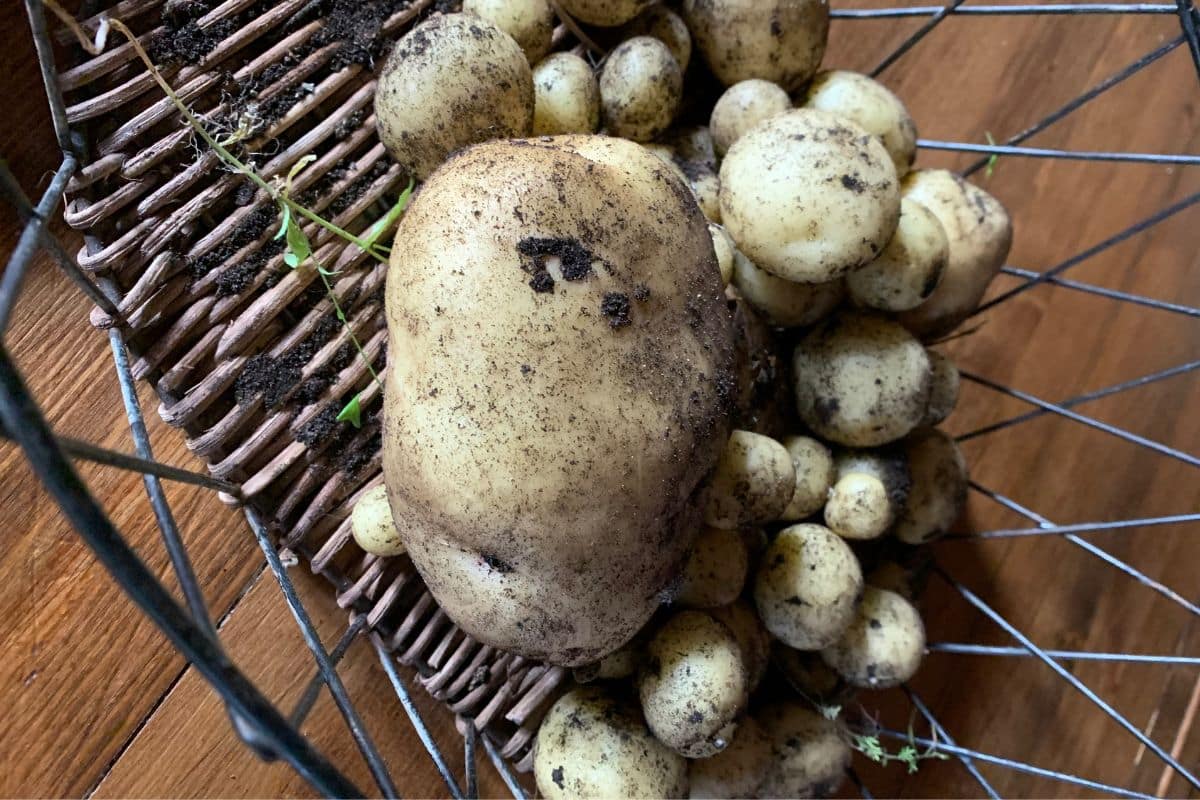
Potatoes still deserve the top spot for most families. They give you excellent calories per square foot, store well if you have a cool space, and work well in many different meals.
They also make sense for cold-climate gardeners because many varieties mature fairly quickly. And you can grow potatoes indoors as well.
Dry beans and other legumes
Beans do a lot of work in a survival garden. They offer protein, dry down for long storage, and support soil health through nitrogen fixation.
They're also one of the easier seed-saving crops for beginners. Try growing beans indoors if you want a low-cost way to start experimenting with a staple crop.
Winter squash
Winter squash earns its place because it stores for months without much fuss. Adding winter squash to your survival garden seeds stash gives you a shelf-stable vegetable that carries real meal value deep into fall and winter.
Butternut, Hubbard, and other keeper types make a lot more sense in a survival garden than tender summer squash alone. If you want survival garden seeds that can feed your family well after harvest season ends, squash belongs on the list.
Grain corn or flint corn
Sweet corn tastes great fresh, but grain corn gives you more long-term value. You can dry it, store it, grind it, and use it later for cornmeal or feed.
It won't fit every yard or climate, but if you've got the space, it belongs in the conversation. It's one of those garden seeds that asks you to think beyond fresh eating and toward storage, preparedness, and long-term use.
Amaranth, quinoa, or compact grains
These don't replace a field crop. But they do add dense nutrition, useful seed, and another layer of diversity to a smaller garden system.
They also strengthen the whole idea of calorie-dense heirloom seeds for food security. If you're building a small but strategic survival garden seeds bank, these are worth a look.
Best survival seeds by goal
The best survival garden seeds for you really depends on your goals. Are you looking to add bulk to your diet, protein, or are you trying to grow a garden in an area with a short growing season?
Best survival seeds for calories
If your goal is calories per square foot, start with potatoes, dry beans, winter squash, grain corn, and sunflowers. These crops give you far more staying power than salad greens or novelty vegetables.
Best survival seeds for protein
Dry beans lead the list here. Peas and lentils can help too, but beans are often easier to fit into a family food plan because they store well, cook in big batches, and work in soups, chili, casseroles, and side dishes.
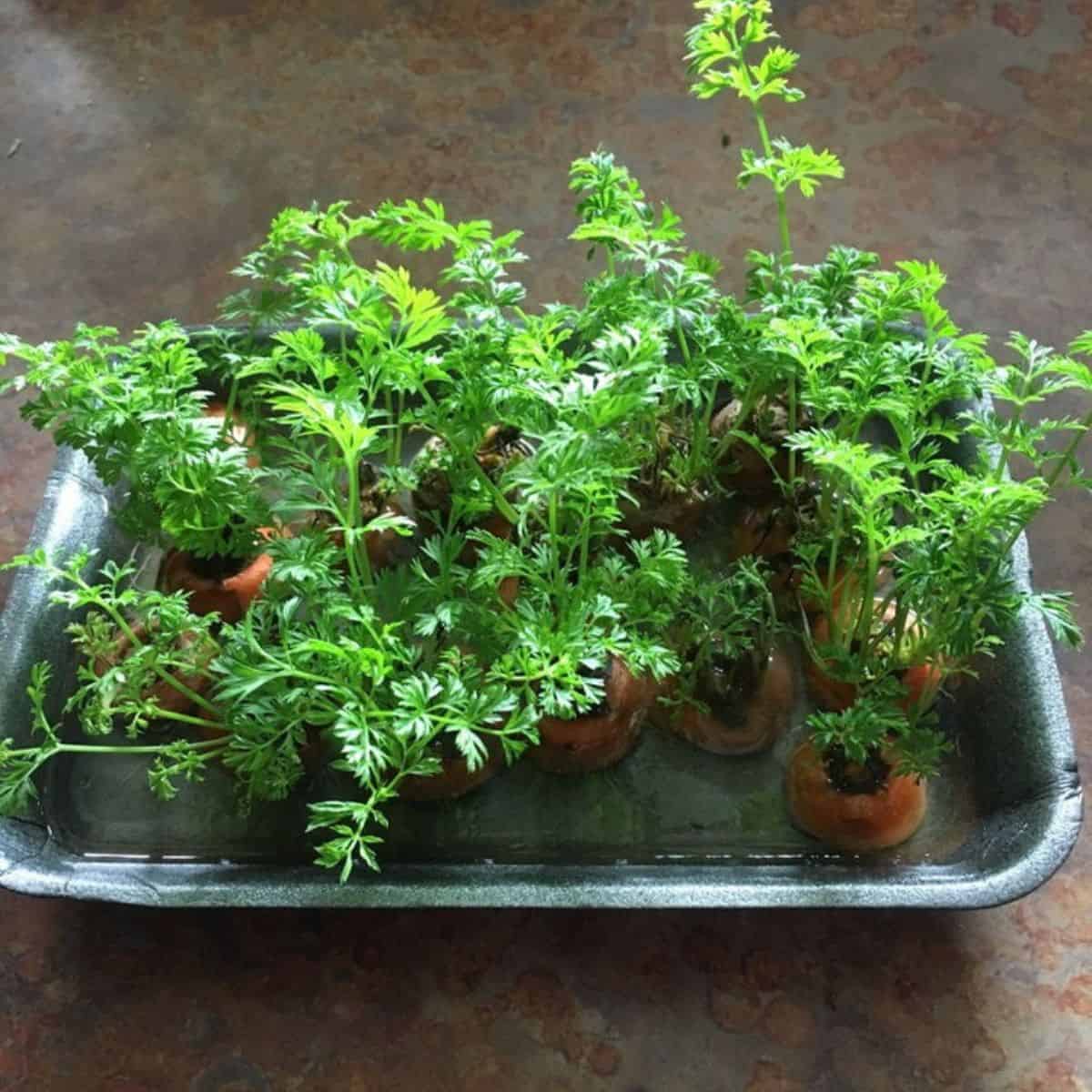
If you're trying to build more protein resilience on a budget, learn how to grow food from scraps to help support your self-reliant mindset.
Best survival seeds for short seasons
Short-season gardeners need fast, reliable varieties in their survival gardening seed collection. Potatoes, bush beans, peas, kale, beets, turnips, and some short-maturity squash varieties all make sense.
This matters even more in places like northern Ontario, the prairies, or the subarctic, where a short season can punish slow-maturing crops.
Best survival seeds for seed saving
Beans, peas, lettuce, tomatoes, and many herbs make good starter crops for seed saving. They're less intimidating than corn or squash, which can cross-pollinate more easily.
Best survival seeds for small spaces
If you only have a backyard, a few raised beds, or containers, you can still get started with survival gardening. Bush beans, potatoes in grow bags, kale, amaranth, climbing beans, compact squash, and medicinal herbs can still help build a solid resilient food source. Consider vertical gardening if you only have a small patio or balcony.
Recommended varieties to consider
When choosing the best survival gardening seeds, it's also important to select the right varieties. Basically, you want hearty and hardy strains. Now isn't the time to select delicate, rare, or unusual vegetables or legumes.
Good survival seed varieties for U.S. and Canadian gardeners
For potatoes, look for dependable keeper types suited to your region, such as Kennebec or Yukon Gold. For dry beans, scarlet runner beans, Jacob's Cattle beans, and provider bush beans can be useful starting points.
For winter squash, butternut and Hubbard remain solid choices. For corn, seek out regional flint or dent corn rather than relying only on sweet corn.
For tomatoes, choose open-pollinated slicers or paste tomatoes that you can also save seed from. For kale, hardy Siberian and Red Russian types make sense in colder spots.
The exact best variety will still depend on your zone, frost dates, and soil. That's why it makes sense to buy from suppliers who clearly list days to maturity, disease resistance, storage ability, and whether the seed is open-pollinated, heirloom, or hybrid. And if you're planting your survival garden this spring, read up on spring soil remediation so you can give those little seeds the best possible start.
What to look for on the seed packet
Before you buy, look for open-pollinated or heirloom status, days to maturity, storage or keeping quality, cold-hardy or heat-tolerant notes, disease resistance, and whether the crop is suitable for drying or seed saving. And take note, packets marked Organic Seeds aren't necessarily heirloom seeds.
Don't forget the support crops
A resilient garden acts like a team. Not every plant has to bring bulk calories. You'll also want to include support crops that can help your family become more self-reliant.
Medicinal plants and pollinator plants still belong here
Calendula, echinacea, and comfrey can support a practical home apothecary garden. Pollinator flowers can also help fruiting crops perform better across the whole season, so if you have space, add a pollinator garden.
A pollinator garden doesn't just look nice. It can strengthen the rest of your garden too.
Utility crops and backup crops add resilience
Fast growers like radishes, lettuce, peas, and mustard greens won't anchor your calorie plan, but they offer quick harvests and helpful insurance. Grow herbs like oregano, basil, thyme and parsley for seasoning and home health and beauty treatments, such as oregano oil.
How to choose the right survival garden seeds for your region
I can't emphasize this enough. It's very important to know your location's growing zone. This part matters more than trend lists. Your location changes everything.
For U.S. gardeners
If you live in the South or West, pay close attention to heat tolerance, drought resistance, and disease pressure. Landrace or regionally adapted seed can sometimes serve you better than generic packet choices because it reflects the conditions where you actually grow.
For Canadian gardeners
If you garden in Canada, especially in short-season regions, prioritize short-maturity and cold-hardy varieties. That often matters more than chasing the biggest possible fruit or the fanciest catalog descriptions.
The storage rule that matters most
Keep seeds cool, dark, and dry. Good storage helps protect germination rates and extends the working life of your seed bank.
For most home gardeners, that means you should store leftover garden seeds in a cool, dry location, keep them out of sheds and garages if humidity swings, use airtight or moisture-proof containers, label every container with the crop and year, and add a desiccant packet if you have one.
Survival garden seed bank quick reference table
This quick table makes it easier to compare your best options at a glance. Use it to choose survival garden seeds that match your space, goals, and storage needs.
Survival garden seed bank table
| Crop | Why it belongs | Best type to look for | Stores well as food | Easy to save seed | Good for small spaces |
| Potatoes | High calories per square foot | Short-season keeper variety | Yes | Medium | Yes |
| Dry beans | Protein and nitrogen fixation | Open-pollinated heirloom beans | Yes | Yes | Yes |
| Winter squash | Long storage life | Butternut or Hubbard type | Yes | Medium | Medium |
| Grain corn | Meal, feed, and storage | Flint or dent corn | Yes | Medium | No |
| Amaranth | Dense nutrition and seed saving | Open-pollinated | Yes | Yes | Yes |
| Sunflowers | Edible seeds and fats | Non-GMO open-pollinated | Yes | Yes | Medium |
| Kale | Cold-hardy nutrition | Heirloom or open-pollinated | Short term | Medium | Yes |
| Calendula | Medicinal and pollinator support | Open-pollinated | N/A | Yes | Yes |
Survival seed bank starter checklist
This simple checklist helps you turn ideas into a workable plan. It also makes it easier to choose survival garden seeds with food security and seed saving in mind.
Your first survival seed plan
- Pick 3 calorie crops
- Pick 2 protein crops
- Pick 2 storage crops
- Pick 2 fast crops for quick harvests
- Pick 2 pollinator or medicinal plants
- Check days to maturity for your region
- Choose open-pollinated or heirloom seeds where possible
- Avoid relying only on hybrid packets
- Make a seed-saving plan for at least 2 crops
- Label and date every seed purchase
Simple packet calculator
Number of seed packets needed = number of plants you want ÷ expected plants per packet, rounded up to the next whole packet.
Example: if you want 24 bean plants and each packet produces about 12 plants, you need two packets.
FAQs about survival garden seeds
Here are some of the most commonly asked questions about survival garden seeds.
How long do survival seeds stay viable?
Survival seeds can stay viable for several years, and sometimes much longer, if you store them properly. The exact lifespan depends on the crop, the original seed quality, and how well you manage humidity and temperature.
What's the difference between heirloom and open-pollinated seeds?
All heirloom seeds are open-pollinated, but not all open-pollinated seeds are heirlooms. Heirlooms have a longer history, while open-pollinated means the plant can reproduce true to type through natural pollination when isolated correctly.
Can I use seeds from grocery store produce for a survival garden?
Sometimes, but I wouldn't build a food security plan around them. Grocery store produce often comes from hybrid plants, and saved seed may give you unpredictable results next season.
How do I test if old seeds are still good?
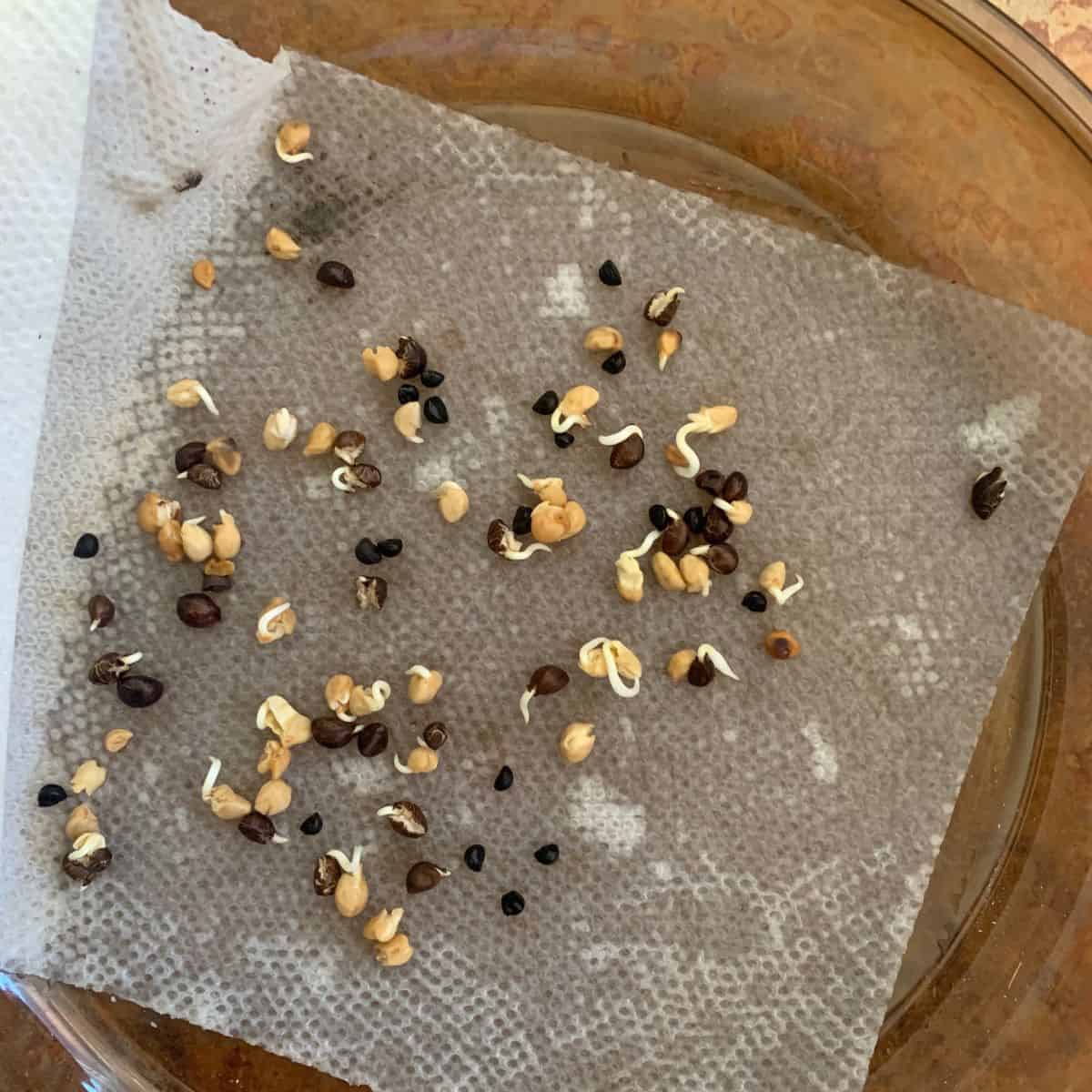
Place 10 seeds on a damp paper towel, seal them in a bag or container, and keep them warm for seven to 10 days. If seven sprout, you have roughly a 70 percent germination rate.
What are the best calorie-dense heirloom seeds for food security?
Potatoes, dry beans, winter squash, grain corn, and sunflowers are among the strongest options for a small home survival garden.
Start gathering survival garden seeds now
You don't need a perfect homestead to start building a resilient food source. You just need the right survival garden seeds, a realistic plan, and the willingness to grow what truly feeds your family.
If I were starting from scratch in 2026, I'd begin with potatoes, dry beans, winter squash, a few hardy greens, and one or two seed-saving crops I could repeat every year. Start there. Keep notes. Save what works. And let your own garden teach you what belongs in your long-term seed bank.
Want more practical help with planning, soil, seed saving, and growing food in real-life conditions? Here are 27 old-school gardening methods.