
Fermenting chicken feed is a great way to provide your chickens with a nutrient-rich diet.
It provides essential vitamins, minerals, and beneficial bacteria necessary for optimal health. And it helps boost your chickens' immune systems and develop strong bones and feathers.
Learn how to make fermented chicken feed, why you should ferment your chicken feed, the best feed to use, and how to store the finished product.
When we kept 40+ chickens and turkeys off-grid near Yellowknife, fermented feed became one of those simple chores that saved money and helped stretch each bag of feed. I noticed our birds cleaned it up fast, especially in warmer weather when the feed picked up that yeasty smell sooner. Like most homestead skills, I learned by starting small, watching the flock, and changing what didn't work.
How Do You Make Fermented Chicken Feed?
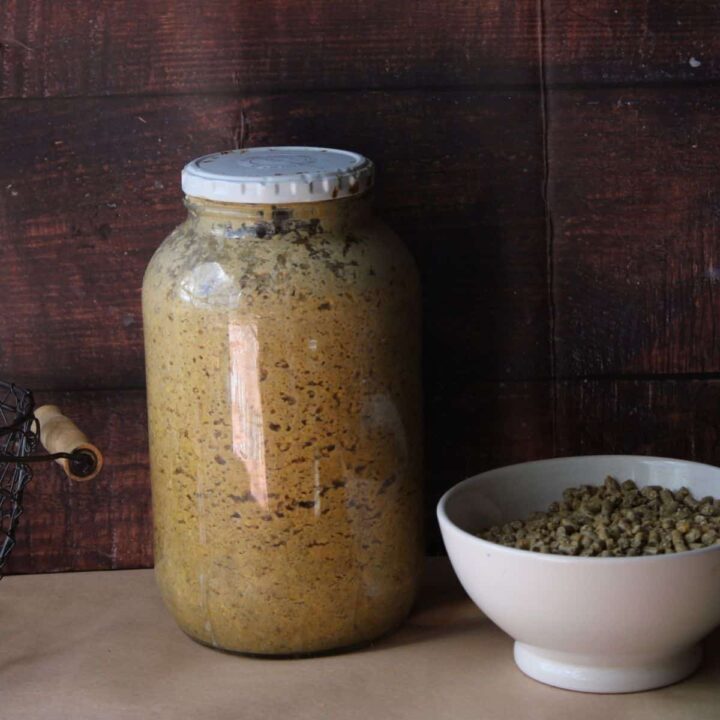
Making fermented chicken feed is a pretty simple process that requires just a few ingredients. First, you need to understand how fermenting works.
Fermenting is simply the process of growing wild cultures and yeasts from the air and combining them with an organic substance, in this case, your chicken feed.
The wild yeast then initiates a metabolic process that produces a chemical. Sugars and starches in the feed are broken down into lactic acid bacteria.
Table of Contents
Basics Steps to Fermenting Feed
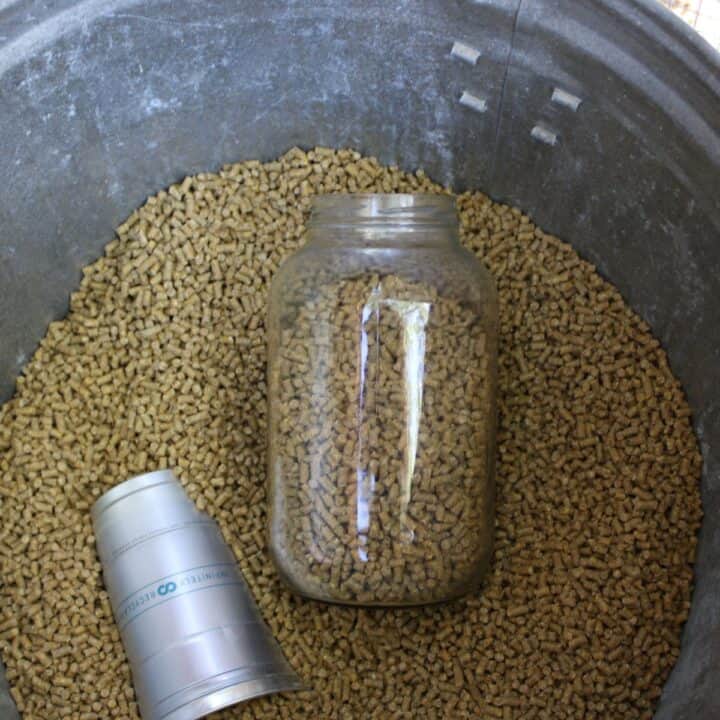
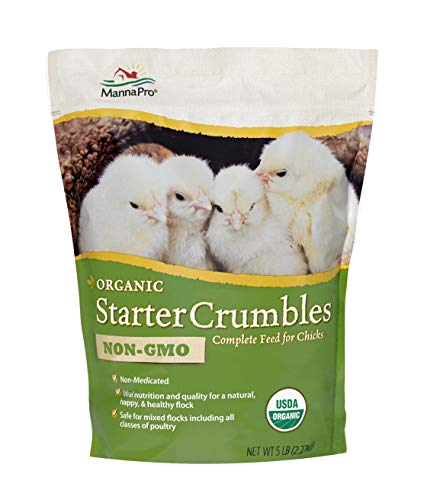
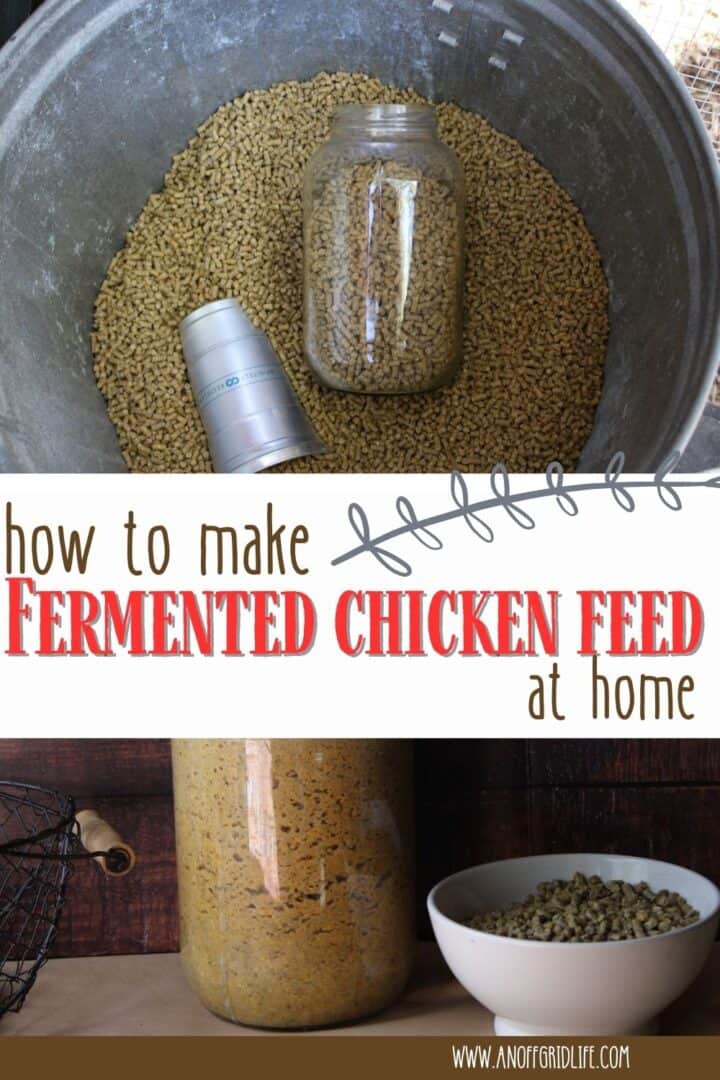
The first step to fermenting your own feed is to buy some non-GMO, organic chickenfeed. You'll find this online or at most pet stores or feed stores.
Once you get your chicken feed, you'll need to combine it with dechlorinated water and a fermentation starter such as whey or yogurt culture, much the same way you'd use a sourdough starter.
On the first day, mix the ingredients together in a large bucket or even an old fermenting crock.
Cover with some cheesecloth or a lid. And make sure the lid is not airtight.
Let the feed ferment for about 24-72 hours.
I find that in the winter months, the fermenting process takes longer. But in warmer weather, the yeasty smell comes faster, especially if put a new batch in direct sunlight.
Check it on the second day.
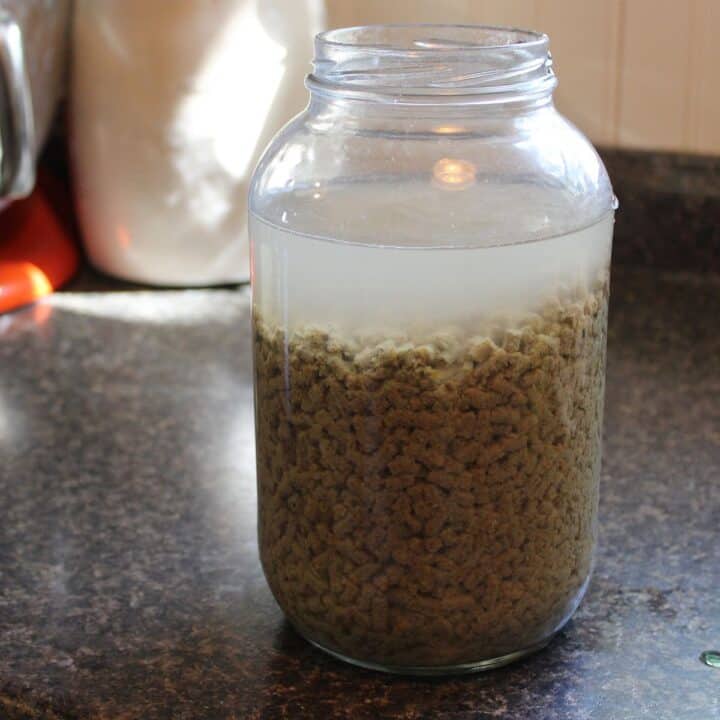
When the fermentation process is complete, it is ready to feed your chickens.
Note: You'll find a printable card with step-by-step instructions for making fermented chicken feed down at the bottom of this post. Add it to your binder of chicken feed recipes. And while you're at it, take a look at my new post on how to make a DIY flock block, too.
What is Fermented Chicken Feed?
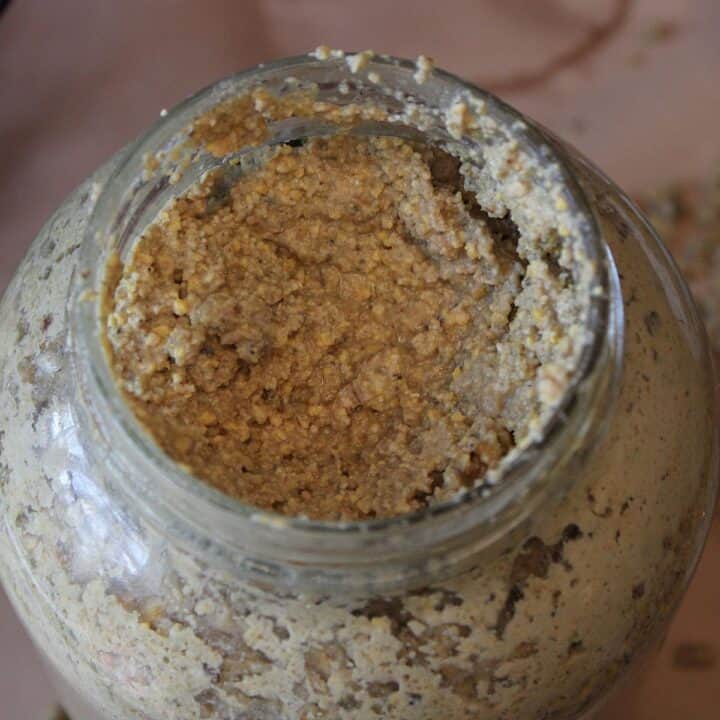
Fermented chicken feed is a type of probiotic-rich food that has been prepared using a lacto-fermentation process.
During this process, beneficial bacteria break down the complex carbohydrates, proteins, and fats found in the feed.
This makes it easier for your chickens to digest and absorb the nutrients from their feed. Additionally, fermentation helps reduce harmful bacteria that may be present in the feed.
Why Ferment Chicken Feed?
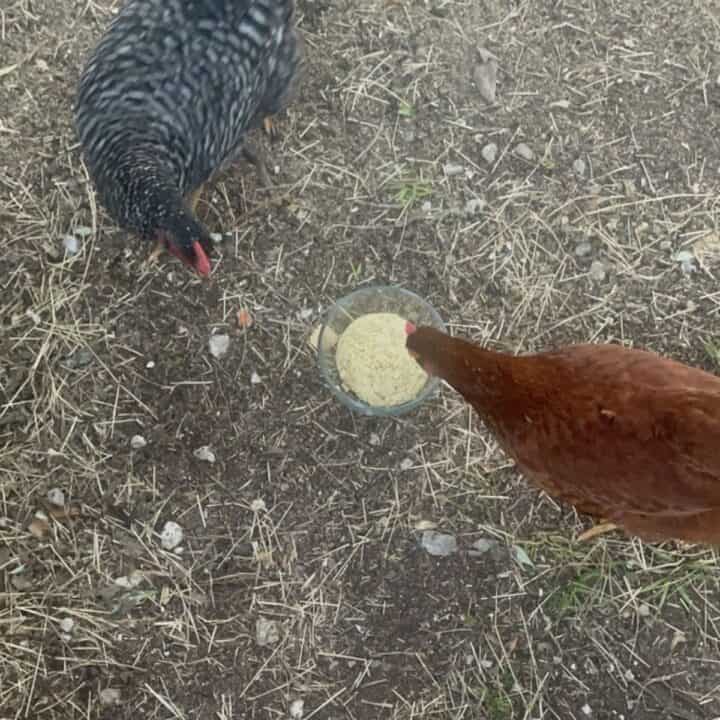
Fermenting chicken feed has many health benefits for your flock.
It makes the feed easier to digest and absorb and increases the number of beneficial microorganisms in the feed by introducing natural probiotics.
This can help boost your chickens' immune systems, aiding in better digestion and improved nutrient absorption.
Additionally, fermenting chicken feed helps eliminate bad bacteria, reducing the risk of foodborne illnesses and improving their overall health. Along with the occasional handful of homemade chicken scratch, fermented grains can help your chickens stay healthy.
Let's look at some of the reasons why fermenting your chickens' feed is beneficial for them. (Before I forget, keep your empty chicken feed bags. Then, cut them down and make reusable shopping bags using these easy chicken feed tote bag instructions.
Benefits of Fermenting Feed for Your Flock
- A 2025 review on fermented feed and broiler gut health found that fermented feed may support better nutrient absorption, gut health, and feed efficiency in poultry.
- Fermented feed expands when it is soaked. So chickens eat less, reducing their feed intake and your feed costs. And we're always trying to find ways to save on backyard chicken supplies.
- Fermenting improves digestibility. It increases the absorption of nutrients. The lactic acid produced by the fermentation process creates many beneficial bacteria for your chickens' gut health. And since the nutrients are readily available, there is less waste, meaning less poop to deal with. (Although we love chicken manure for our hot compost pile.)
- It helps to reduce the pathogens in your chickens' digestive system, like mold spores in the feed.
- Fermenting adds protein to the commercial feed, lentil sprouts, and scratch grains we feed our chickens.
- Our chickens LOVE the taste, and it's a natural probiotic for backyard poultry, improving their digestive and overall health.
- Eating fermented feed improves egg quality and will have your girls laying heavier eggs with thicker shells. It also seemed to us that egg production increased. We had to find ways to preserve our eggs for the long-term, until my daughter started selling our extras!
What Are the Disadvantages of Fermenting Chicken Feed?
Fermenting chicken feed can save money and support flock health, but it isn't perfect. You'll need to watch smell, texture, weather, and storage so the feed doesn't spoil.
The biggest disadvantage of fermented chicken feed is that it can grow mold or spoil if you leave it too long, use dirty containers, or let the feed rise above the water. Warm weather speeds up fermentation, which helps in the short term but can also make feed go bad faster.
Other disadvantages include:
- It takes daily attention. You'll need to stir it, check the water level, and watch for mold.
- It can smell too sour if it sits too long. A light yeasty smell is fine, but rotten smells mean trouble.
- Some chickens won't like it right away. Start with a small amount and mix it with their regular feed.
- It can freeze in cold weather. If you live off-grid in the North as we did, winter feeding takes more planning.
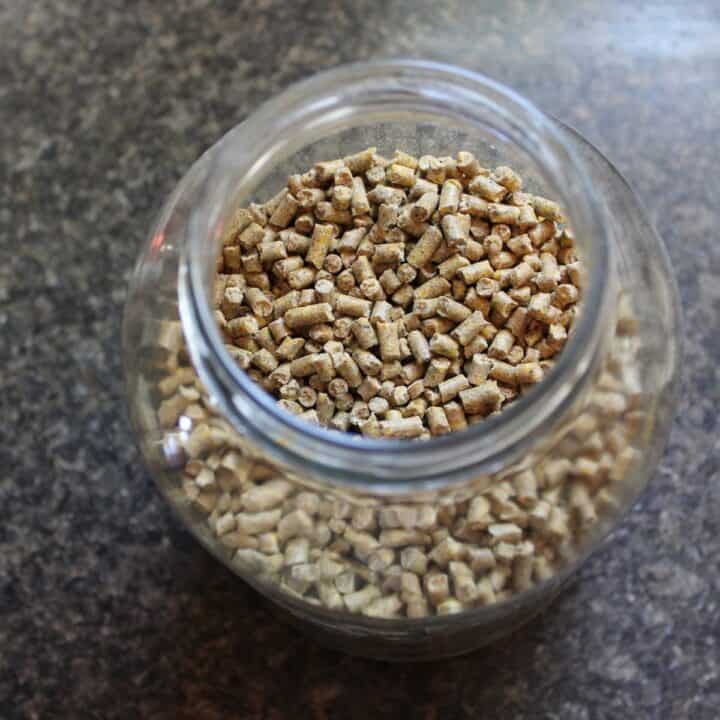
- It may not suit every feed type. Pellets and crumbles soften fast, while whole grains may need more time.
- NC State Extension's fermented poultry feed guidance also notes that poor fermentation can cause spoilage and may affect certain nutrients, so small batches make the most sense for backyard flocks.
To keep things simple, start with one day's worth of feed. If it smells good, stays covered with water, and your chickens eat it well, make a little more next time.
The Best Feed for Fermenting Chicken Feed
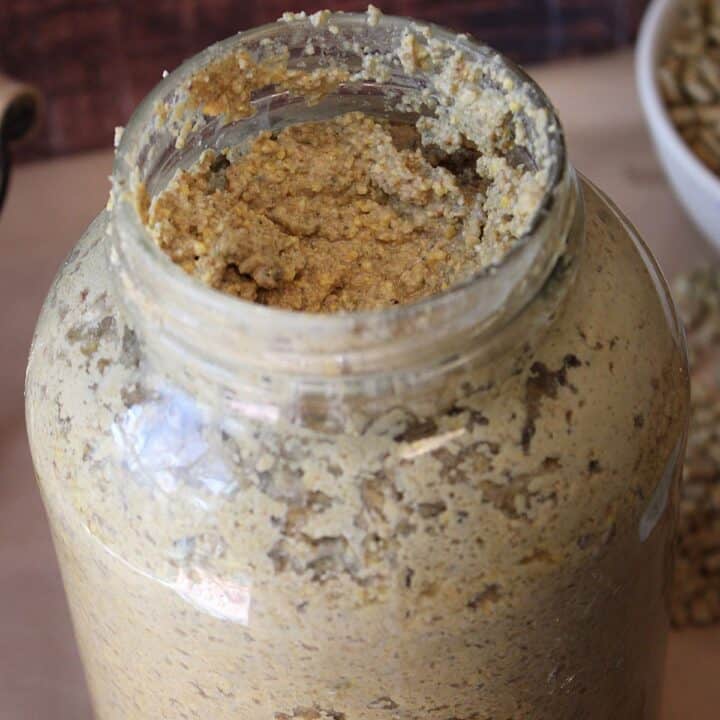
When choosing the best feed for fermenting chicken feed, you want to select a non-GMO, organic feed. This ensures your chickens are receiving only the highest quality of nutrition.
Now, it's true that you can boost the nutritional value and ferment almost all the feed you have on hand.
This includes whole grain, pellets, crumbles, and even chick starter feed.
I suggest trying one cup of feed at a time.
If you ferment too much feed all at once and your meat chickens or layers don't like it, you'll soon have a stinky mess to get rid of.
How to Store Your Fermented Feed
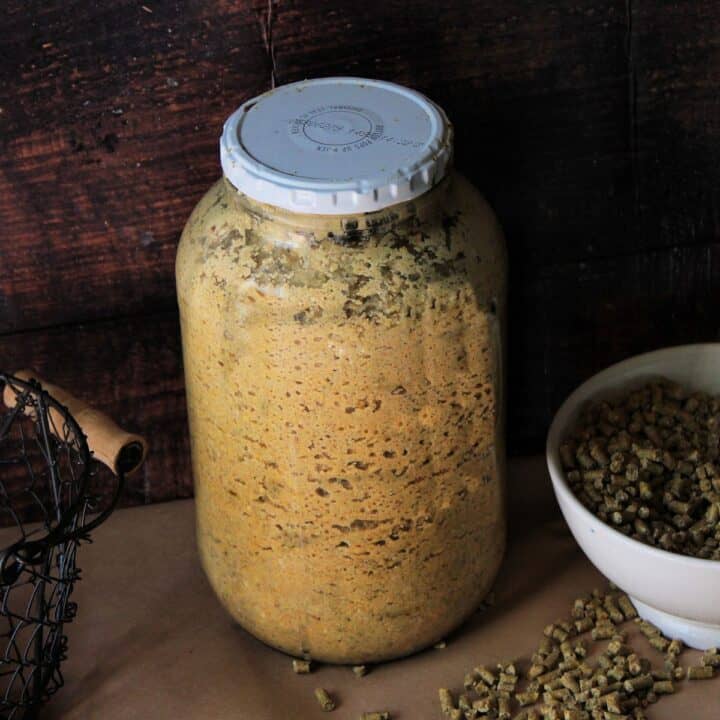
Once your fermented feed has been prepared, it should be stored in an airtight container in a cool, dry place. This will help ensure that the beneficial bacteria remain active and prevent spoilage.
Remember to feed your chickens fresh, fermented feed rather than stored feed to help ensure they are getting the most nutrition from their food.
As for storage containers, keep your costs down and use what you have. Seriously, there's really no need to run out and buy a new container.
If you have a very large flock and need to make a large amount at a time, you might consider using a 5-gallon bucket.
When we had 40+ birds, we used a big old Rubbermaid container that we got for free from the Yellowknife dump. However, we only used this for one season then toss it out.
If you need to make less, you can use a large clean jar.
Fermenting grains to feed your chickens is an easy and affordable way to introduce new vitamins to your commercial chicken feed. It helps to provide your chickens with a nutrient-rich diet, leading to healthy chickens with good gut health.
There's no doubt about it; fermenting feed is worth adding to your weekly list of homestead chores!
How to Make Fermented Chicken Feed
Making fermented chicken feed is a pretty simple process that requires just a few ingredients, plus some patience!
Materials
- Organic, non-gmo chicken feed for layers or meat chickens
- Non-cholorinated fresh water
Tools
- Measuring cup
- Large glass jar or container for mixing and fermenting
- Cheesecloth or mesh lid
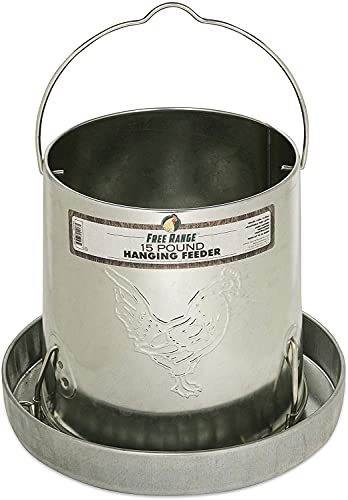
- Metal or other sturdy chicken feed bowl or container
Instructions
- Scoop out enough feed for all your chickens.
- Place feed in a large clean container (like a mason jar) with a loose-fitting lid or cheesecloth to allow gasses to escape.
- Cover with clean, filtered, or well water to at least 1 inch over the top of the feed.
- Allow it to sit for 2-3 days, and add a few inches of water as needed to keep it entirely under water.
- I find that 3-4 days is usually a great amount of time to let my feed pellets soak.
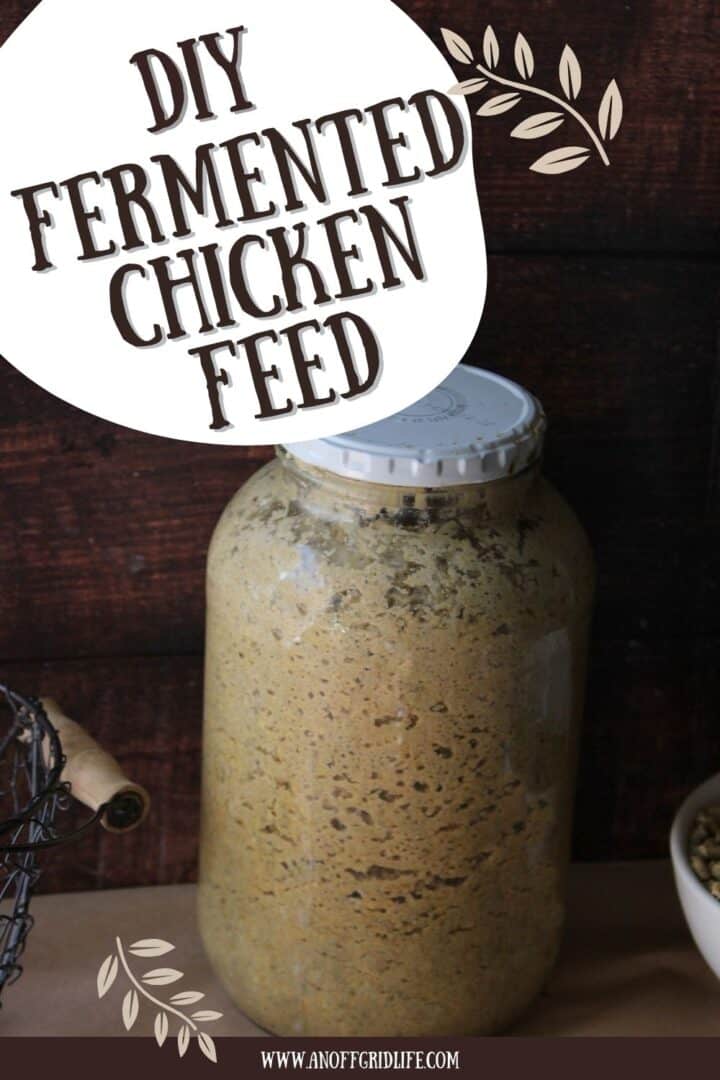
- The fermented feed is ready when they're broken down, have the consistency of porridge, and has a yeasty but not unpleasant smell.
- Once the fermented chicken feed is ready, transfer to a feed container like a sturdy bowl or chicken feeder.
- Place it outside in the coop or run, removing whatever is not eaten at the end of the day.
Notes
Each bird will consume roughly ¼ lb. of feed a day. However, if they are free range and getting lots of bugs and insects, they won't eat as much. To begin with, start with just 1 cup of fermenting chicken feed.
I just leave my lid ajar while fermenting.
You can allow the feed to ferment for up to 7 days. But if it begins to mold it has gone bad and is no longer good for your chickens.
Recommended Products
As an Amazon Associate and member of other affiliate programs, I earn from qualifying purchases.

Like this post? Save it, share it, and read it!


Great idea, this is so simple! I had no idea it was this easy to ferment chicken food.