
Wilderness survival kits for kids may be just what you need to get your youngsters interested in the outdoors. After all, it's more fun to roam the woods equipped with a knapsack full of cool tools and gadgets. We include building our own wilderness kits as part of our summer homeschool schedule.
However, a personalized wilderness survival kit makes a great gift for kids of all ages, homeschooled or not.
Use these tips to create customized wilderness survival kits suited to your area, lifestyle, and child's age.
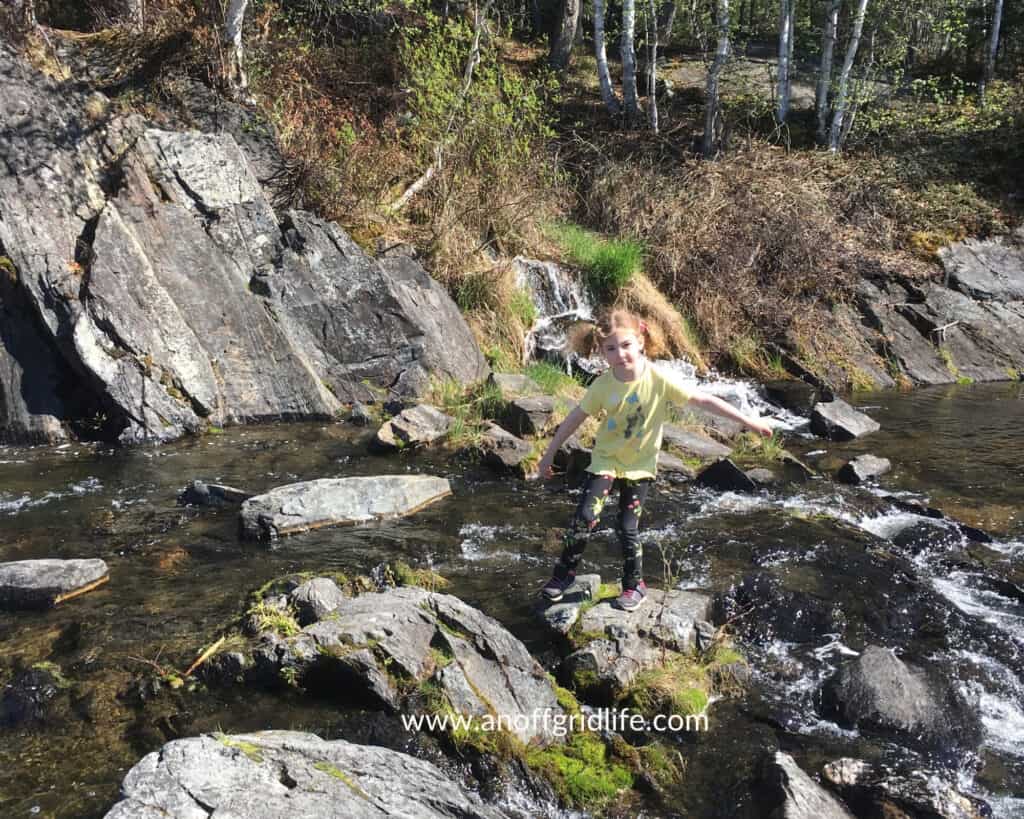
When to Get a Wilderness Survival Kit for Your Child
While there are many different opinions about when you should let your child light a fire, carry a small knife, and venture into the outdoors alone, I'm keeping it simple. And yes, you can buy a ready-made survival kit that already includes many of these items.
One thing to keep in mind, though, is that the items may be too small for kids' hands to grasp and hold.
These recommendations are for "most" kids ages 7 to 11. Kids older than 11 can probably handle a basic adult wilderness survival kit. One that's heavier and has more complex/potentially dangerous items, like a hatchet.
Yet you know your child best. So if she is six-and-a-half and raring to get out hiking or foraging, go ahead and make her a kit.
Who Needs a Wilderness Survival Kit?
Do your children take part in outdoor activities that place them in the wilderness? If they're hiking, camping, geocaching, fishing, bushcraft, self-reliance, or involved in other outdoor pursuits like forest schooling, a kid's wilderness survival kit could make a good gift.
Should your children find themselves alone in the wilderness, they'll be better prepared to stay safe until help arrives. And while we're on the topic, remember to teach your kids outdoor safety skills early on.
Wilderness Survival Kits for Kids: What to Include
What to include in a wilderness survival kit for kids ultimately depends on what they'll be doing and where they could find themselves.
For example, our family goes hiking and walks in the woods. And as we live off the grid 250 miles south of the Arctic Circle in Canada's boreal forest, winter is long and dark. So my younger kids' wilderness survival kits include dry socks in a Ziploc bag, a firestarter, a headlamp, hand warmers, and energy bars.
Yet if we lived in a warmer climate, I'd probably forego the socks and hand warmers. And add sunblock and a sunhat!
Remember, these are basic suggestions based on typical adult-type survival kits. Yet children have some unique needs, so there are several items just for them as well.
This post may contain some affiliate links for your convenience.
Firestarter
This Gerber Bear Grylls Firestarter has a handy lanyard to keep both halves together. A multi-function outdoor tool, it also has a whistle and tinder storage space.
Just the right size to keep a few cotton balls smeared with Vaseline to help start a fire quickly. If you're going for a more traditional wilderness survival kit (or a less expensive option), choose waterproof matches in a waterproof container.
Emergency Whistle
An emergency whistle is a small but important item in a wilderness kit for outdoor adventurers of all ages. Pick up a basic model at your local hardware store. Or order a multi-function whistle online, like this firestarter/emergency whistle combo from Light My Fire.
Headlamp
Many kids are afraid of the dark at the best of times, and when they're lost and alone, darkness can be downright terrifying. Include a headlamp in your kit and test the batteries annually to ensure they work. Also, consider including a small flashlight.
Glow Sticks
Yes, I mean those flexible sticks with neon liquid inside that you get at the summer fair or concerts. Stick a couple in a knapsack, and they'll provide light and even comfort to a child when needed. They're cheap, waterproof, and they don't need batteries.
Tinder To Start a Fire
Include a couple of cotton balls in a Ziploc bag for tinder. It's a good idea to practice building small fires with your child using their firestarter and tinder so they'll be ready to tackle it independently in an emergency.
Energy Bars and Candy
Ensure your kids' wilderness survival kits include two or three energy bars. My children like Clif Bars and Lara Bars, so we stick with them.
Ziploc Plastic Bags
Include at least four Ziploc plastic bags in your child's emergency survival kit. They're great for keeping matches dry; they're light, can hold a pair of dry socks, and can even carry water in a pinch.
And if your kids are between the ages of seven and ten (and regular-sized), the freezer Ziploc bags will fit over their feet.
Show them how to put them between two layers of socks for added warmth.
Gift Guides: Gifts for Preppers
Mini Water Filter and Collapsible Bottle
Staying hydrated is critical in a survival situation. But water bottles can be heavy for kids. If your family, like ours, lives in an area with a ton of lakes (and in the winter, clean snow and ice), we don't bother with bulky water bottles.
Instead, add a mini water filter and a small collapsible water bottle to your child's kit. Make sure they know how to use the filter. Even better, carry out a science experiment at home to show your child how a water filter works.
Handwarmers
If your winters are like ours, exposure and hypothermia are very dangerous for adults and children when the temperature drops. Slide a couple of hand warmers into your survival kit. They're small, don't cost a lot, they're individually packaged, and easy to use if needed. Or make your own handwarmers.
Compass
Before your child has a chance to get lost on their own, teach them about navigation and how to use a compass - but make it fun. Visit the Eureka! Outdoor Equipment site and check out three different compass games to play as a family. A great learning opportunity for mom and dad too.
Duct Tape
It's waterproof, it's tough, and, in an emergency, it can repair all kinds of things, from torn wind pants to boots that are splitting apart. Make sure your child has a small roll of duct tape tucked away in her kit.
Small Personal First Aid Tin/Kit
So this is an important item in survival kits for adults and children alike. Make sure to include a personal wilderness first-aid kit in your child's larger survival kit.
These can be really, really small - about the size of a pack of gum or a tin of cough drops. Yet they hold some pretty useful items, including bandages, disinfectant pads, and, often, tweezers.
If you're in the States, consider the Red Cross Pocket First Aid Kit for $3.99. Buy it online right from their site. In Canada, you can buy the Red Cross Personal First Aid Kit for $10.99 online.
Vaseline
Pick up a travel-sized Vaseline to add to your child's wilderness kit. Show your child how to use Vaseline and cotton balls, leaves, or twigs to start a fire.
My kids also know they can smear Vaseline on exposed skin to help prevent or at least minimize frostbite.
Tip: Look in the baby section at the pharmacy for a tiny tub of Vaseline, as they're often on display for parents to include in diaper bags.
Rain Poncho
Your child's wilderness survival kit should include a rain poncho. Don't worry about spending a ton of money on a fancy rain poncho, though.
Pick one up at the dollar store, or just use a garbage bag.
Show your son or daughter how to rip a small hole in the bottom for their head. In a pinch, they'll have a makeshift rain covering to stay dry.
Emergency Blanket
Given how teeny-tiny these are now, there's no good excuse to avoid including an emergency blanket in a child's survival kit.
They literally are about the size of a tissue. Check Walmart, Amazon, or even your local gas station.
Paracord Bracelet
These trendy-looking bracelets have become increasingly popular with outdoor enthusiasts, and for good reason. They're really, really useful.
Read through this Outdoor Life article and show your child how to use theirs.
Consider including a good quality paracord bracelet as a survival kit item, but be prepared. Your child may want to wear it all the time as an accessory. Because they're, well, cool.
A Child-Sized Wilderness Survival Kit Knapsack
A knapsack is the final item to include in your child's wilderness survival kit. Choose one that's lightweight and adjustable and that's small enough to fit comfortably on your child's back.
There's a wide variety to choose from. We like the bright-colored knapsacks (and outdoor clothing) for kids because it makes it easier to spot them from a distance.
What to Watch Out For When Stocking a Wilderness Survival Kit for Kids
A few things to remember when stocking your kit.
- Check the expiry dates of your survival kit items every 6 months and replace any expired or damaged items.
- Consider the weight of each item you add. Your child should be comfortable carrying their pack. So ask them how it compares to their school book bag.
- Make sure your child knows how to use each item in their wilderness kit safely. It's a good idea to have seasonal reminder sessions so they can practice using their fire starters, knives, headlamps, and other tools in a non-stressful, safe environment.
I believe that giving kids the tools and life skills they need to be prepared, stay safe, and make wise decisions in a variety of situations is critical to raising confident, capable adults.

Take time to review each wilderness survival kit item with your child. Practice with it. Look into local survival classes, workshops, or camps for your kids or family. Most of all, enjoy your time together in your own beautiful wilderness, wherever that may be.


Hi Jac! Thanks for the comment! Definitely bear bangers. The local museum here had a talk for kids about safe bear practices, and I'm betting you could find something like that in Brandon or Winnipeg as well.
Do you suggest anything for kids survival packs to protect against black bears or other wildlife? (I’m in Manitoba, so similar context to you guys)
Sarita, this is a FANTASTIC list! I firmly believe hand warmers kept my husband from serious illness/hospital once. We were camping with the Bedouin in the Sahara Desert and temps hovered at freezing during the night. He had COPD and was struggling so I "put him to bed" in the tent, put a couple of hand warmers under his clothes, next to his body and he passed a restful night.
Even in milder climates, having a survival kit is important. Every time I go out of the house, I carry a pocket knife, mobile phone and handgun. Ya just never know...
Actually, Benadryl is a great idea. 🙂
Thanks Nikki! Hope they enjoy them. 🙂
What a great idea! My grandkids would LOVE to have such a kit. Thanks for the inspiration. I will for sure be the coolest grandma when I present them with their own survival kit.
🙂 gwingal
This is so interesting! My daughter is grown now, and about as likely to get lost in the woods as....well, I can't think of anything that would be less likely, so let's leave it at that! BUT, my hubby and I hike a bit and I usually carry a first aid kit, survival blankets, water, etc., so will add a few of your suggestions to our backpack. For us, another thing we carry is Benadryl in case of bee stings or other allergy-inducing things, but you probably don't have to consider that too much where you live!
A very good and thoughtful article.. Kids need to learn these things young. Their lives could depend on it at some point.
It's our pleasure, Liz! Glad you found it useful.
My son is really into Boy Scouts, he would love this! Thanks for sharing on Homestead Blog Hop!
I never would have thought about Vaseline. That's an intriguing little addition to the kit! This is a great post for reference.