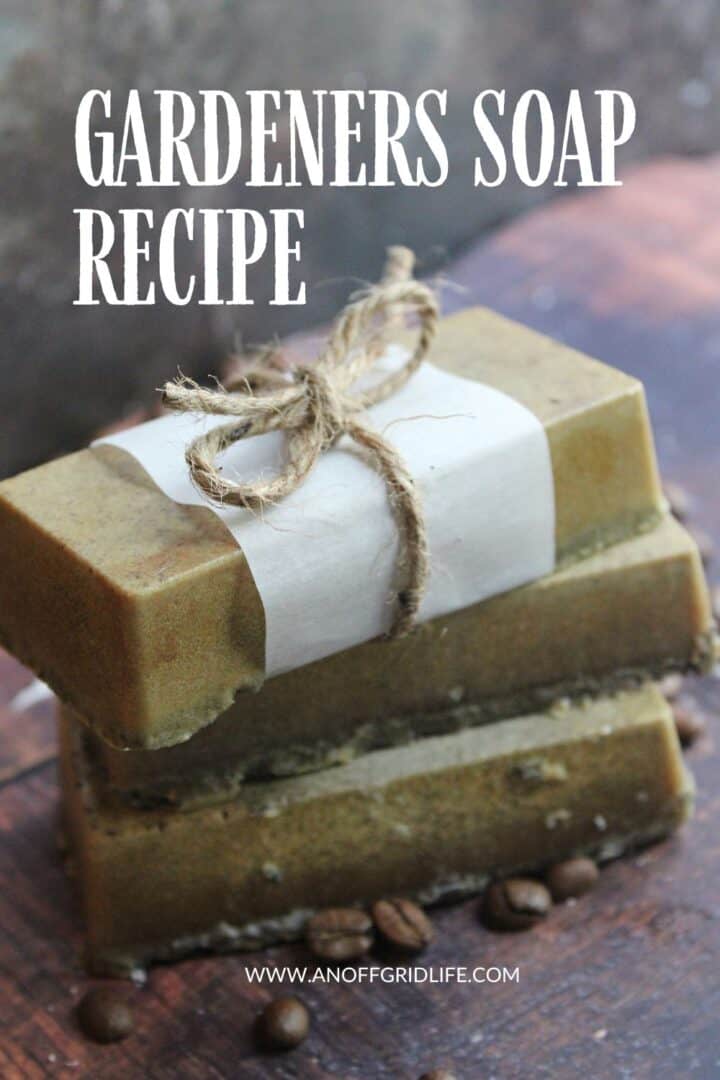
Whether digging in the garden, cleaning out the chicken coop, or completing other dirty outside chores, your hardworking hands need a little TLC. Use this easy gardener's soap recipe made with coffee and vanilla to get dirty hands clean without using harsh chemicals.
Gardeners soap (or gardener's soap) is a bar of hard soap specially formulated for getting rid of garden dirt.
Quick Answer: How to Make Gardeners Soap
To make a simple gardeners soap recipe, melt ½ to ¾ pound of goat milk melt-and-pour soap base with 1 tablespoon of beeswax pellets and 1 teaspoon of olive, coconut, jojoba, or almond oil. Then stir in 1 tablespoon of coarse coffee grounds and 2 teaspoons of vanilla extract, pour the mixture into silicone molds, and let the bars harden overnight. To make this organic soap, ensure all of your ingredients are organic.
This homemade gardeners soap helps scrub away soil, compost, chicken coop grime, and garden dirt without using an antibacterial soap. I like coffee grounds because they add just enough grit for dirty hands without turning the bar into sandpaper.
Table of Contents
What is Gardeners Soap?
After working outdoors on various DIY garden projects, I usually find my hands need a really good scrub but also some really good moisture. And as we move away from store-bought items to making our own, I'm learning more about soap-making.
Since last year, the girls and I have been experimenting with melt-and-pour goat milk soaps using natural and ingredients to create organic bar soap. We like knowing exactly what we are putting on our skin. We're experimenting with making homemade sunscreen, shampoo, and even natural toothpaste.
So when we decided to make our own soap, we developed this gardeners soap recipe. Note: this is for your hands only, not for washing produce!
Why I Make Gardeners Soap at Home
After a day in the garden, my hands are filthy. Soil gets under my nails, compost dries around my knuckles, and chicken coop chores leave behind a smell that regular hand soap doesn't always fix.
That's why I started making this gardeners soap at home. I wanted a simple bar with a little grit, a little moisture, and ingredients I could recognize. I also wanted something easy enough for my girls to make as part of our hands-on homeschool days.
This isn't a complicated cold-process soap. It uses a melt-and-pour goat milk soap base, coffee grounds, beeswax, oil, and vanilla. You can make a few bars in one afternoon, let them harden overnight, and keep them by the sink for garden season.
Why I love gardeners soap
This gardeners soap works best when your hands need more than a quick rinse. Keep a bar near the kitchen sink, mudroom sink, potting bench, or outdoor wash station.
Use it after:
- Pulling weeds
- Planting seedlings
- Mixing compost
- Cleaning garden tools
- Gathering eggs
- Cleaning the chicken coop
- Handling muddy boots, gloves, or buckets
- Working with soil before preparing food
The CDC says hand sanitizer doesn't work well when hands look dirty or greasy, including after gardening, camping, fishing, or outdoor play. In those cases, wash with soap and water instead. The CDC also recommends washing hands after touching soil because soil can carry germs.
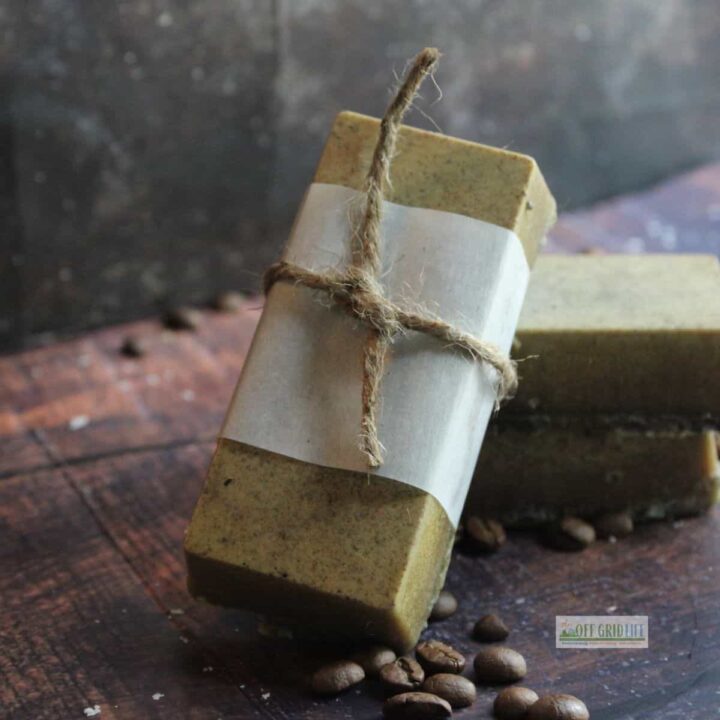
There are several benefits to using a bar of this gardener coffee soap after working in the garden.
First, you know exactly what you're putting on your skin when you make natural soap. Plus, the addition of coffee grinds gives a generous dose of gritty pumice to each gardener's soap bar.
We started to create this handmade soap with a basic recipe similar to our lavender grapefruit soap. Sometimes we like a smoother soap. But this one needed an ingredient with good scrubbing properties.
And we wanted a soap that would scrub and soothe our hands simultaneously. Now, we've added sugar to our soap in the past for a sugar scrub soap bar. But this time, I needed something, well, scrubbier.
I thought about adding poppy seeds, but we were short. But we added coffee grinds to come up with this coffee soap recipe for gardeners.
Depending on the herbs, oils, flowers, or other ingredients you add, homemade soaps can smell delicious.
Coffee in Soap
Coffee, of course, smells amazing. It's a great deodorizer and will act as a gentle exfoliant at the same time. So for best results, use coarse rather than fine grounds to maximize the scrubbing effect.
Cosmetic Beeswax
Beeswax helps harden your soap and helps create a protective layer on your skin. You can use any type you have on hand, but I find the pellets much easier to work with than grating from a block.
Use any oil you have on hand to help moisturize rather than dry out your skin the way many soaps can, you don't have to run out and buy anything special. The same olive or coconut oil you use for cooking is perfect in this recipe.
And homemade soaps, along with DIY sunscreen jars are great for gift giving: Easter, Mother's Day, Valentine's Day, birthdays, or any other occasion.
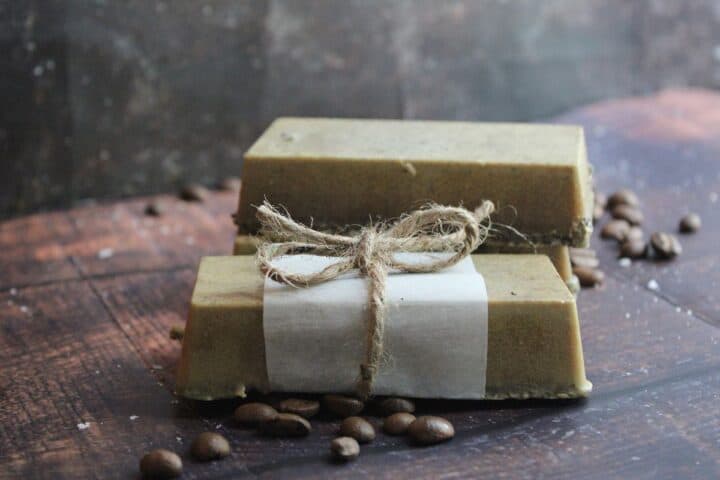
This DIY gardeners hand soap also makes a lovely gift for gardeners. Tuck it into a gardening-themed basket or wrapped with a bit of brown paper or parchment paper and tie it up with twine.
Gardeners Soap Melt-and-Pour Recipe
When you're ready for soapmaking, gather your supplies.
Supplies for the Coffee Melt and Pour Soap Recipe
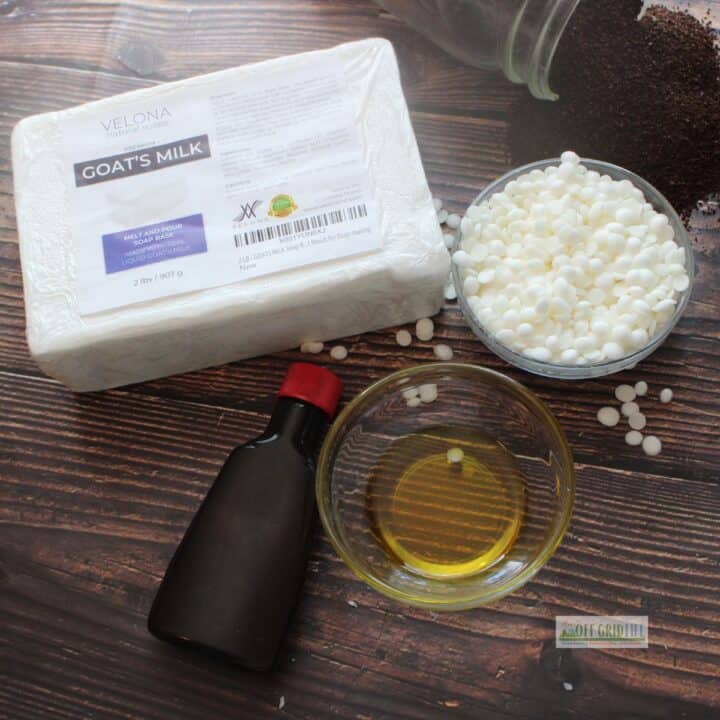
Here is what you will need.
- 1 tablespoon fresh coarse coffee/grounds
- ½ to ¾ pound goats milk melt and pour soap base (this is an easy melt option for soap making)
- 1 tablespoon beeswax pellets
- 1 teaspoon olive oil, coconut oil, jojoba oil, or any of the sweet almond oils
- 2 teaspoons vanilla extract
- Glass measuring cup with a spout
- Silicone molds
How to Make Gardeners Soap with Coffee
Making soap at home is easy and a fun, hands-on homeschool activity too.
Step-by-step instructions for making gardeners soap
Lay out the silicone mold and sprinkle a few coffee grounds into the bottom.
Cut up your goat's milk soap base into roughly 1"x1" pieces.
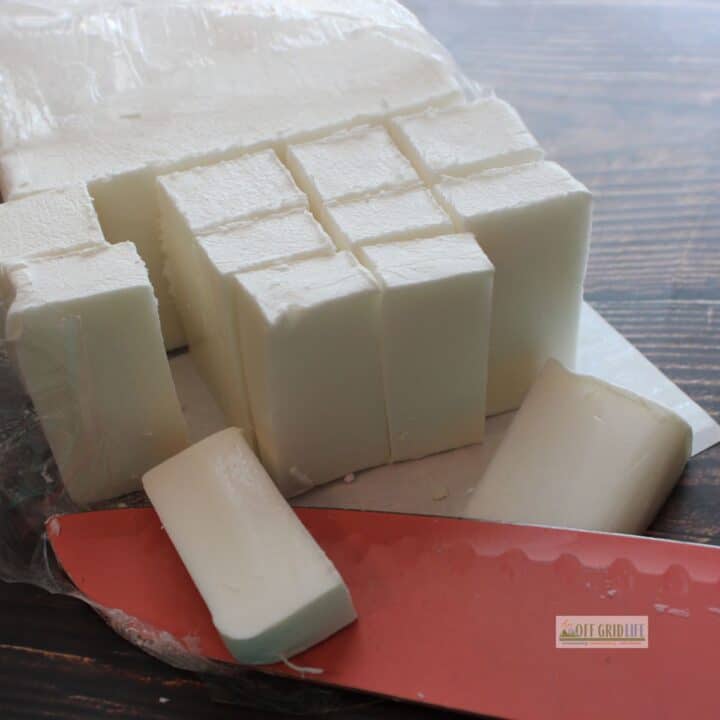
Place in a microwave-safe container with a spout for easy pouring.
Add oil and beeswax pellets.
Microwave for 1 minute, stir, then repeat in 30-second intervals until completely melted.
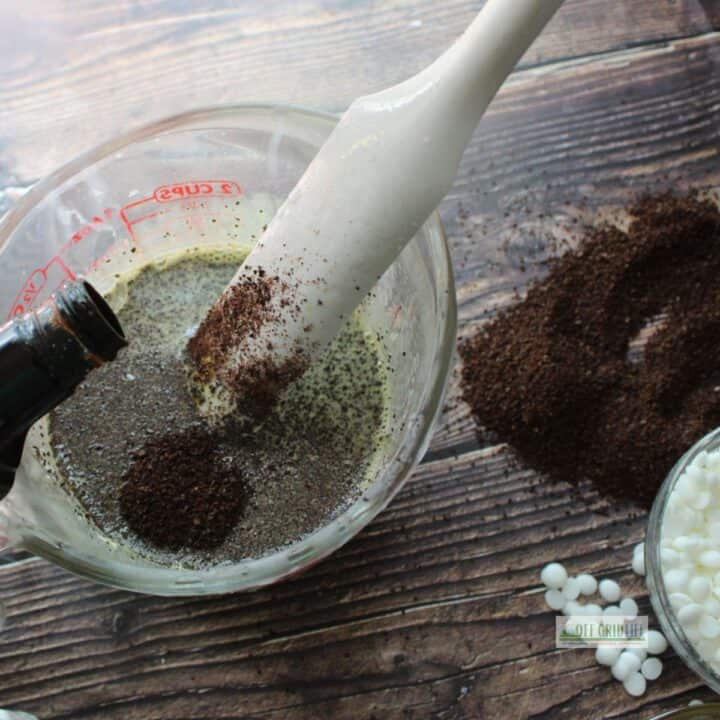
Remove from the microwave and stir in coffee and vanilla.
Carefully pour the soap mixture into your molds, but not quite full to the top.
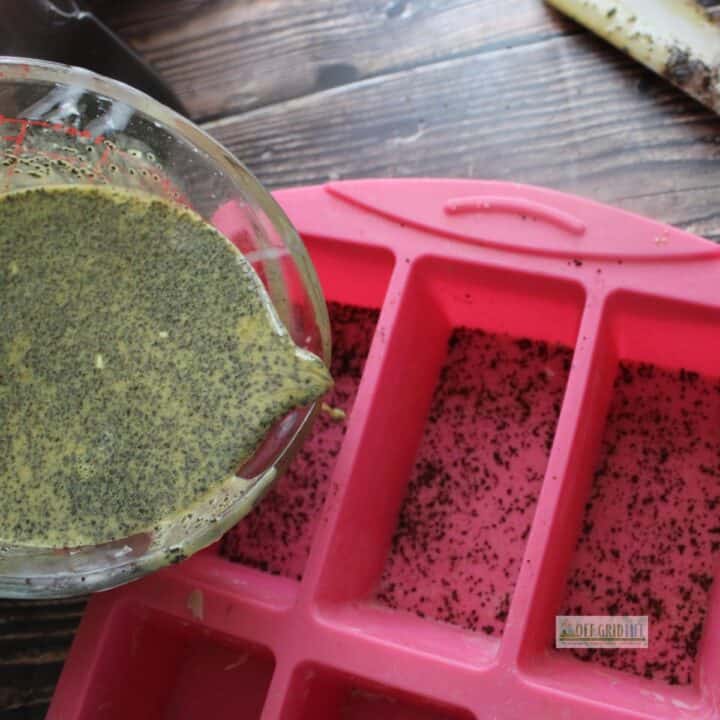
Allow the soap to harden overnight. and carefully remove from the mold.
Store your extra soaps in an airtight container in a cool, dry place.
Common Mistakes to Avoid
This recipe is simple, but a few small mistakes can make the bars too rough, too soft, or too strongly scented.
Don't use fine coffee grounds. Learned that the hard way!
Fine grounds can clump and make the soap feel muddy instead of scrubby. Coarse grounds give better texture.
Don't add too much oil. A little oil helps with moisture, but too much can make the bar soft or greasy. Then it becomes a mushy mess.
Don't overheat the soap base. Heat it in short bursts and stir often. Melt-and-pour soap can bubble over fast.
Don't fill the molds right to the top. Leave a little room so you can move the mold without spilling.
Tips for Gardeners Soap
I find that a little over half a pound of the melt-and-pour goats milk soap makes three good-sized bars.
Here's a trick for deciding how much melt-and-pour soap base I need for various-sized molds.
I chop the pieces and put them into each spot I want to fill.
Then I'll add more pieces to fill the empty spots that the squared-off edges don't fill. True, it's not exact, but it helps me get a close estimate.
Sometimes I make big bars and sometimes small ones. So I must figure out how to make it work in any shape or size!
Use any of your favorite pure essential oils instead of vanilla extract. A lemongrass essential oil might be a good idea.
For unscented soap, leave out the vanilla.
We made this batch with almond oil but will experiment with macadamia oil next time.
Use this soap as a scrubby hand soap, not as a face or body bar, and use it to replace that anti-bacterial soap.. According to a recent report from the FDA, it's better to use plain soap rather than anti-bacterial soap anyway.
Coffee grounds work well on garden-stained hands, but they may feel too rough for sensitive skin.
If your hands crack easily, use less coffee and add a richer oil, such as jojoba or sweet almond oil. If you want a stronger scrub, use the full tablespoon of coarse grounds.
For a low-scent version, leave out the vanilla. For a fresher scent, try a small amount of lavender, rosemary, peppermint, or lemongrass essential oil. Keep it light. Strong fragrance can bother sensitive skin, and the FDA says plain soap and water work well without antibacterial ingredie
Substitutions for coffee grinds
Note: we have NOT tried these yet, but the girls are keen to try them next time!
- chia seeds
- strawberry seeds
- black sesame seeds
Gardeners Soap Ingredient Swap Chart
| Ingredient | Why I use it | Easy swap | Best for |
|---|---|---|---|
| Goat milk melt-and-pour base | Simple, creamy soap base | Shea butter or olive oil melt-and-pour base | Beginner soap making |
| Coffee grounds | Adds scrubby texture | Poppy seeds, chia seeds, or fine pumice | Dirty garden hands |
| Beeswax pellets | Helps harden the bar | Leave out for a softer bar | Longer-lasting soap |
| Almond oil | Adds moisture | Olive, coconut, jojoba, or sweet almond oil | Dry hands |
| Vanilla extract | Adds a warm scent | Lavender or lemongrass essential oil |
FAQs
Here are some of the most common questions I've received over the years about making gardeners soap at home.
Is this gardeners soap recipe organic?
It depends on the ingredients you buy. To make organic soap, choose an organic melt-and-pour soap base, organic oil, and organic coffee grounds. If your soap base doesn't say organic, call this a natural gardeners soap instead.
Can I use used coffee grounds in soap?
Yes, but dry them first. Wet coffee grounds can add too much moisture and may shorten the life of the bar. Spread them on a plate or tray and let them dry fully before adding them to the melted soap.
Is gardeners soap safe for sensitive skin?
This recipe may feel too scrubby for very sensitive skin. Use fewer coffee grounds, skip added fragrance, and test the soap on a small area first. Stop using it if your skin stings, burns, or feels irritated.
Can kids help make gardeners soap?
Yes, with adult help. Kids can sprinkle coffee grounds into molds, help count soap cubes, and choose scents. An adult should handle the hot melted soap and pouring.
How long does homemade gardeners soap last?
These bars should last for several months if you store them in a cool, dry place. Keep extra bars in an airtight container, and let the bar dry between uses so it doesn't turn soft.
Can I use any tree nut oils to make this gardener's hand soap?
A reader asked if she could substitute shea butter or cocoa butter for the almond oil. Honestly, I don't know.
We had a bad experience with a really stinky shea butter when we first started making melt and pour organic soap.
Since then, we've found that almond oil gives us the best results for our soap recipes. However, different oils have different properties.
We plan to try a recipe with castor oil, which is supposed to give a creamier finished product and a rich lather.
Next Steps and Recommendations
Start with the basic coffee and vanilla version first. Once you know how the texture feels, adjust the next batch for your hands.
Try less coffee for a gentler bar, more beeswax for a harder bar, or a different oil if your skin needs extra moisture. Then tuck a few bars into a gardener's gift basket with seed packets, gloves, and a homemade salve.
How to Make Gardeners Soap
This gardeners soap is an all natural hard soap bar for scrubbing garden dirt from your hands without harsh chemicals!
Materials
- 1 tablespoon fresh coarse coffee/grounds
- ½ to ¾ pound goats milk melt and pour soap base (about 1 ½ cups or 8 cubes)
- 1 tablespoon cosmetic beeswax pellets
- 1 teaspoon olive, coconut, or almond oil
- 2 teaspoons vanilla extract
Tools
- silicone soap molds
- measuring cup
- measuring spoons
Instructions
- Lay out the silicone mold and sprinkle a few coffee grounds into the bottom.
- Cut up your goat's milk soap base into roughly 1”x1” pieces.
- Place in a microwave-safe container with a spout for easy pouring.
- Add oil and beeswax pellets.
- Microwave for 1 minute, stir, then repeat in 30-second intervals until completely melted.
- Remove from the microwave and stir in coffee and vanilla.
- Carefully pour the soap mixture into your molds, not quite full to the top.
- Allow soap to harden overnight.
- Carefully remove from the mold.
- Store your extra soaps in an airtight container in a cool, dry place.
Recommended Products
As an Amazon Associate and member of other affiliate programs, I earn from qualifying purchases.
-
 Pure Vanilla Extract
 -
Kicking Horse Coffee, Cliff Hanger Espresso
-
Rectangle Silicone Soap Molds - Set of 2 for 12 Cavities - Mixed Patterns - Soap Making Supplies by the Silly Pops
-
The Natural Soap Making Book for Beginners: Do-It-Yourself Soaps Using All-Natural Herbs, Spices, and Essential Oils
-
Goats Milk - 2 Lbs Melt and Pour Soap Base


Like this post? Save it, share it, and read it!

First time making soap and it's fun to use the diff scents and ingredients. I had made vanilla bean paste with whole vanilla beans, I save the pod after straining and used that in place of vanilla for an extra exfoliating. Hope it works
That's so cool that you make your own soap! Was just reading about your natural toothpaste, and had to check this out, too. Looks perfect and safe to get the dirt off after a day of gardening. Can't wait to try and make this myself this weekend. Thanks for the tips!
I made this gardeners soap as a gift for my daughter. She loved her coffee soap and asked me to make her some more.
I cannot wait to make this! I can already imagine it smells so good and is gentle on the hands after a long morning in the garden.