If you've been curious about beef tallow face cream, you're in good company. I've noticed over the past couple of years that anything to do with tallow skincare has been all over social media lately. Many families, including mine, are trying it as a simple, old-fashioned way to support dry skin and a healthy skin barrier.
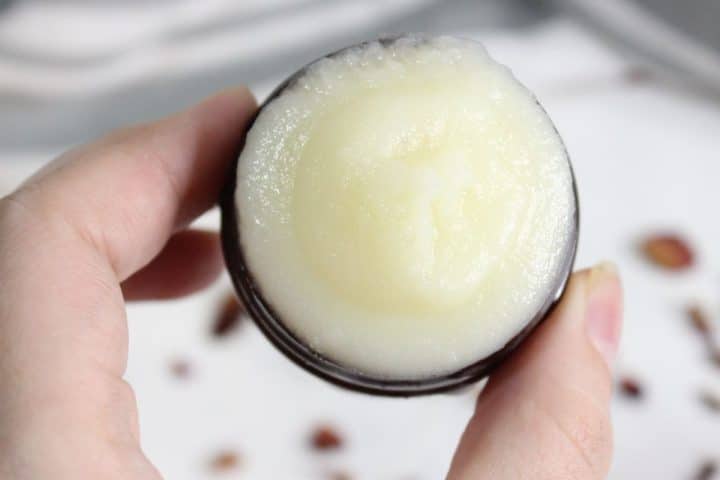
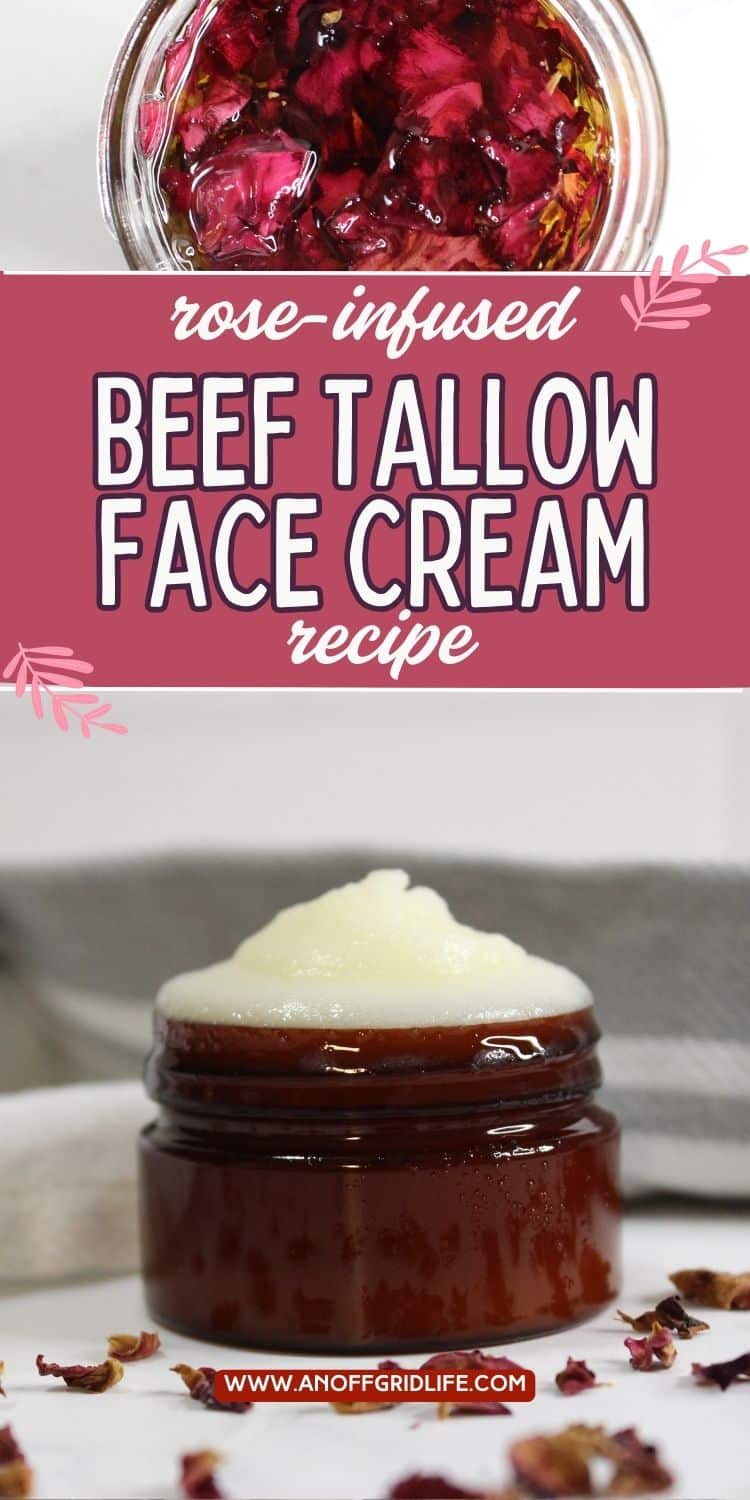
After some experimenting, I created a gentle beef tallow face cream recipe that uses real rose petals. I love this for my post-menopausal dry skin. And it is a great way to use up those wilted roses from Valentine's Day!
What is beef tallow?
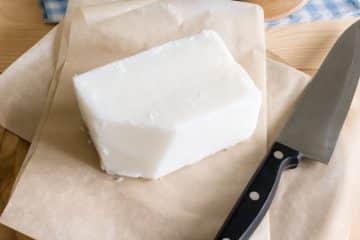
Beef tallow is rendered beef fat. “Rendered” just means you slowly heat the fat until the pure fat melts out, then you strain it to remove bits that can spoil. When it cools, it turns into a firm, creamy-looking fat.
For skincare, you want clean, well-rendered tallow because impurities can affect the scent and shelf life. Many people also prefer grass fed beef and grassfed tallow (you will see it written both ways), because it tends to smell milder and comes from animals raised primarily on grass.
The key is quality: fresh tallow, carefully rendered and stored properly.
If you are new to using tallow at home, my post on uses for tallow on the homestead will give you more ideas beyond skin care, like traditional household uses and practical ways to keep it in rotation.
What is grassfed tallow?
Grassfed tallow is tallow rendered from cattle that were raised on a grass-based diet. Some people choose it because it often has a cleaner scent and because they like to support more traditional, pasture-based systems.
In a DIY setting, it can also feel like a more “whole” choice, especially if you already pay attention to what you use in your kitchen and on your skin.
Where to buy beef tallow for DIY skincare
Not all of us have a cow or easy access to fresh tallow in our backyard. Luckily, buying tallow for making home beauty and skincare products has never been easier.
You have a few practical options:
- Local butcher or farm: Ask for suet (kidney fat) or already rendered tallow. Suet usually renders into a very clean, mild tallow, which is nice for face products.
- Grocery store: Some stores carry rendered beef tallow, often near specialty oils.
- Online small artisan shop: Many small farms sell jars of tallow online. If you go this route, look for clear ingredient lists and good handling practices. Check shipping times too, especially in warm weather.
- Amazon: The first time I made this, I bought my tallow from Amazon, and it arrived in under a week. I'm amazed at how fast our orders arrive now! They must have a bunch of it in the Edmonton warehouse.
Now, if you already make bone broth or buy bulk meat, tallow can be a “use what you have” product, which I love. That mindset is part of why tallow face cream fits so naturally into a self-reliant home.
Benefits of tallow-based skin care
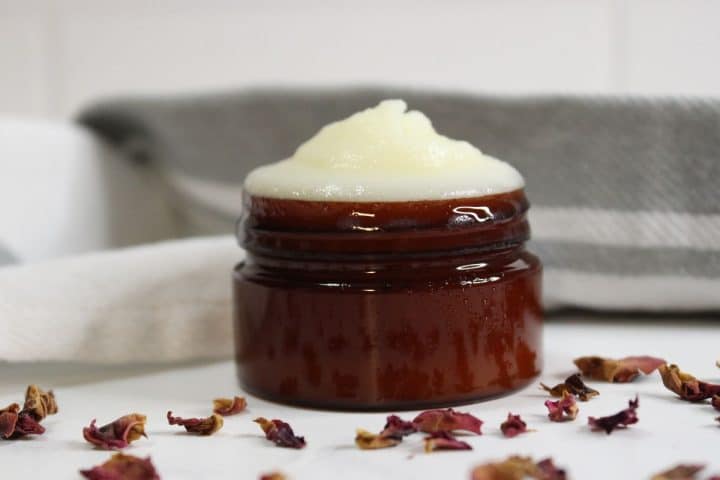
Here's a quick rundown on the basics of beef tallow cream benefits. Tallow's an oil-based product, so it works a bit like a balm or body butter. It helps reduce moisture loss by sealing in hydration.
That can be a big deal if you deal with dry skin, flaky patches, or tightness after washing your face.
Here are a few reasons people like me like natural tallow based skin care.
- It's simple and has minimal ingredients. A lot of store-bought products have long ingredient lists. A basic tallow face cream can be made with just tallow and a carrier oil. You can keep it gentle for sensitive skin, or customize it with a carefully chosen essential oil.
- It supports the skin barrier. Your skin barrier is the outer layer that helps keep irritants out and moisture in. When it's struggling, you may notice dryness, redness, or that “stinging” feeling when you apply products. An oil-rich balm can help protect that barrier, especially in winter or dry indoor heat.
- It can work for many skin types. Some people assume beef tallow face cream benefits only people with dry skin, like me. But plenty of acne prone skin types still get dryness, irritation, or over-stripping from harsh cleansers. The goal is balance, not squeaky-clean. The trick is to use a tiny amount and pay attention to how your skin responds.
- It's flexible. Once you learn the basic formula, you can turn it into a firmer tallow balm, a softer whipped face cream, or even a richer body butter for hands and elbows. You can also use similar building blocks for things like lip balm and salves.
A quick, honest note: no DIY product is magic. If you have very acne-prone skin, sensitive skin, or you are dealing with a rash, it is wise to patch test first and keep your routine simple. You can do this, one step at a time. While this beef tallow face cream is perfect for me, one of my teenage daughters finds it too heavy for her oily complexion.
The risks of using grassfed tallow on your skin
When it comes to homemade tallow skincare products, the biggest risks aren't really about “grass-fed” versus not. They're about quality and how your skin reacts.
- Allergic reactions or irritation: Any new product can bother sensitive skin, especially if you add essential oils.
- Breakouts: Acne prone skin can react to changes in routine. Sometimes it is the product. Sometimes you're just using too much product. Start small.
- Spoilage: If the tallow wasn't rendered and stored properly, it can go rancid faster and smell off. Keep everything clean and dry.
- Contamination: Water in the jar, dirty fingers, or damp rose petals can shorten shelf life. Use dry tools and clean containers.
If you're pregnant, have a chronic skin condition, or are using prescription acne products, consult a qualified professional before changing your skincare routine.
Who shouldn’t use tallow face cream
If you have a known beef allergy, do not use beef tallow skin products. If you have very reactive, sensitive skin, rosacea flare-ups, or eczema that is currently inflamed, patch test and consider skipping essential oils entirely.
And if you are prone skin-wise to clogged pores, you may do better using a lighter layer, less often, or choosing a different face product altogether. There is no one “best” for everyone.
Beef Tallow Face Cream Recipe
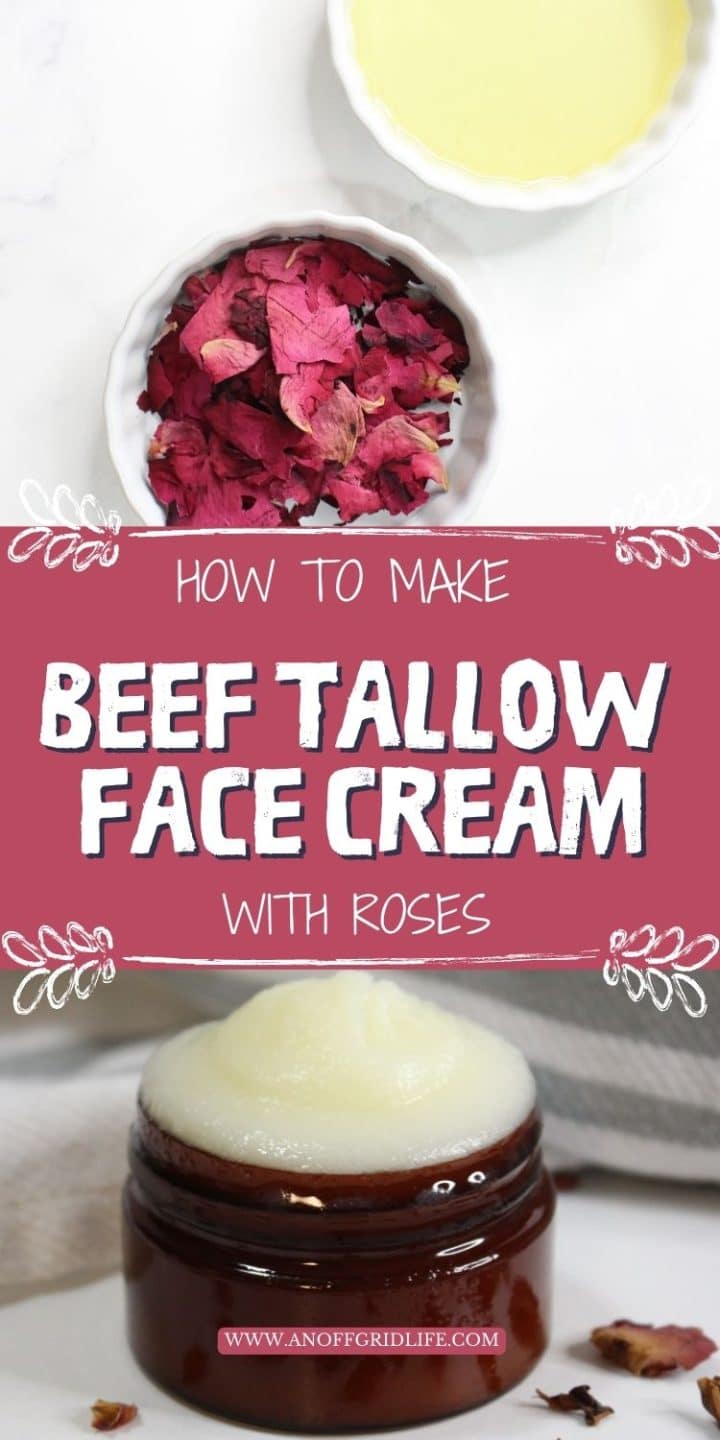
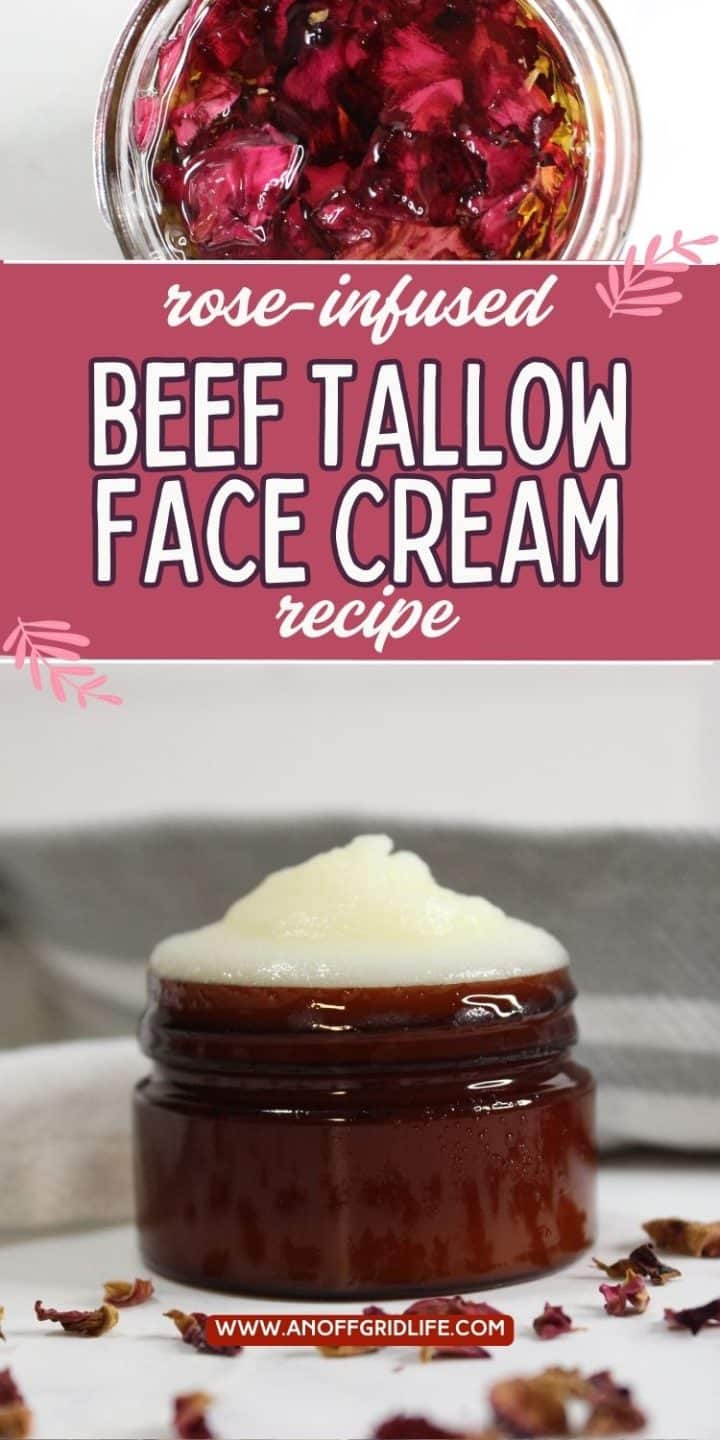
This is the rose version of a simple tallow face cream, using rose-infused oil for a gentle scent and a classic, old-world feel. It makes about 5 ounces, which is enough for a few small jars.
I used rose petals that I foraged from the same bushes I visit to get rosehips for making rosehip oil and syrup.
You'll make this in two phases. First, you'll infuse the carrier oil with rose petals. Next, you'll melt and blend the tallow and rose oil into a face cream.
How to Make Rose Beef Tallow Face Cream
Here are my step-by-step instructions for making rose tallow cream for your face. Remember, it's easy to switch out the rose scent for another.
This recipe yields about five ounces. If you want to give this as a gift, I suggest the smallest 1-ounce jars.
Beef Tallow Face Cream Ingredients
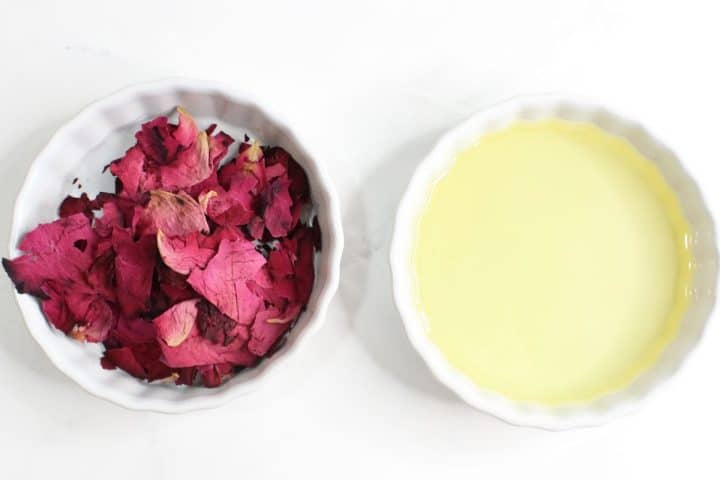
Here's what you'll need to make this at home.
- ½ cup rendered beef tallow (clean and strained)
- Rose petals (fully dry is best, see note below)
- Carrier oil (any skin-friendly carrier oil works)
- ¼ cup rose-infused oil (from the infusion step)
- 10–15 drops of essential oils (optional)
- Note: Any carrier oil will work.
Tools Needed
And these are the tools and equipment you'll need.
- Glass jar with lid (for infusion)
- Fine strainer or cheesecloth
- Double boiler setup (or microwave-safe glass jar)
- Spoon or small spatula
- Measuring cups
- Clean funnel (helpful, not required)
Step 1: Make rose-infused oil (4 to 6 weeks)
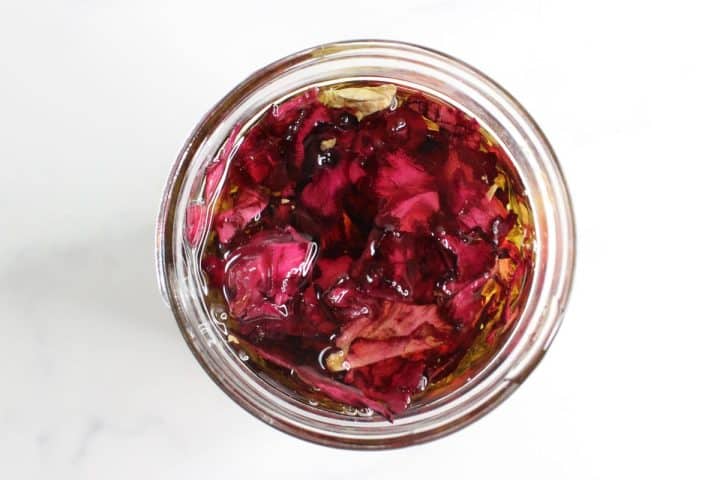
1. Add rose petals to a glass jar.
2. Pour your carrier oil over the petals until they are completely covered.
3. Put the lid on and let it infuse for 4 to 6 weeks. Store it in a cool, dark place, and gently swirl the jar every few days.
4. Strain out the petals using a fine strainer or cheesecloth. Keep the oil.
Important tip for safety: Use fully dried rose petals if you can. Fresh petals carry moisture, and water in oil can shorten shelf life. If you want to use fresh petals from your garden, lay them out to dry fully first.
Step 2: Melt and combine the tallow and rose oil
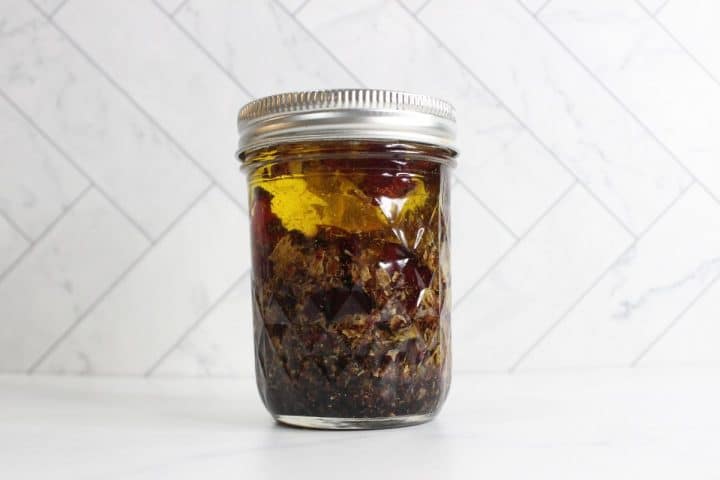
1. Add the rendered tallow and ¼ cup rose-infused oil to a glass jar.
2. Slowly heat in a double boiler until melted. Stir gently as it warms.
Note: You can also do this in the microwave using short bursts, but go slowly so you do not overheat it.
3. Once melted, remove from heat and let it cool for a minute or two.
Step 3: Add essential oils (optional)
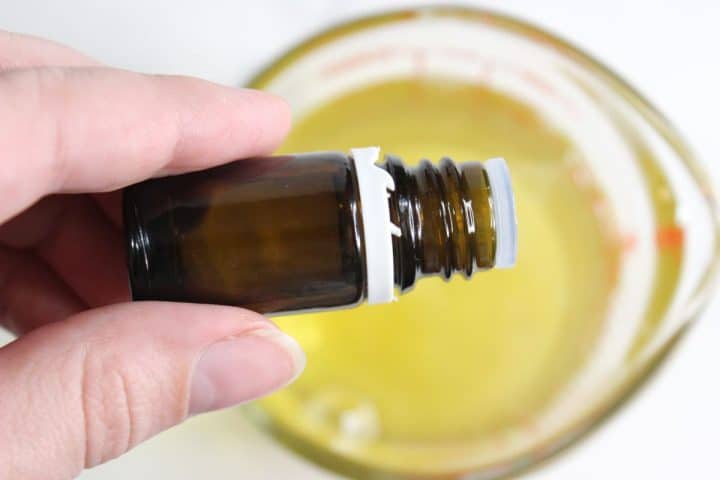
1. Add 10–15 drops of essential oils total and stir well.
If you have acne-prone or sensitive skin, consider skipping essential oils for now. A simple formula is often easier on sensitive skin and helps you figure out what your skin actually likes.
Step 4: Pour into containers and let harden
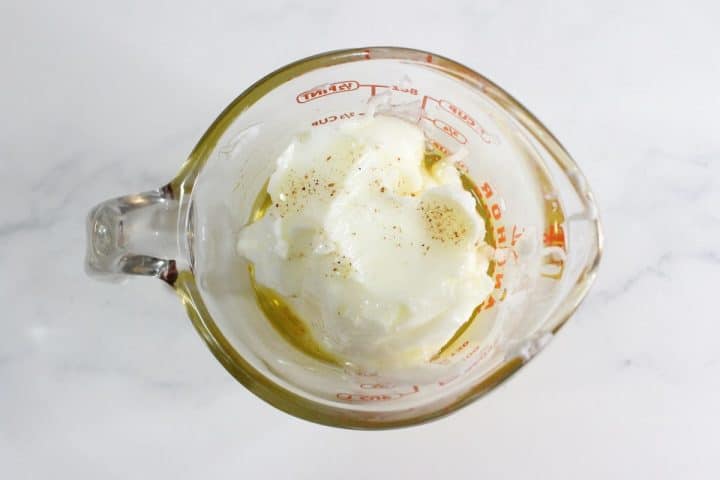
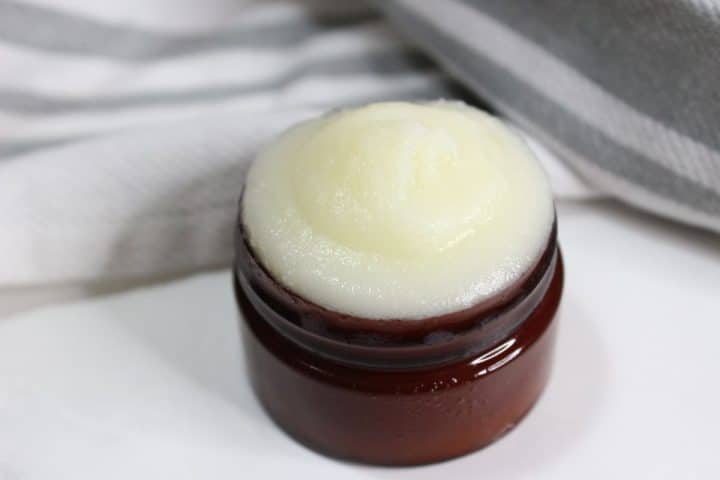
1. Carefully pour the melted mixture into clean containers.
2. Let it cool, then put the lids on.
3. Allow it to harden fully at room temperature.
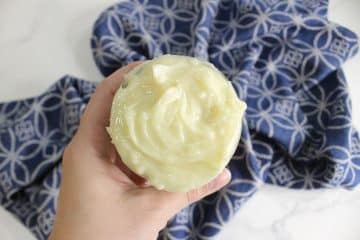
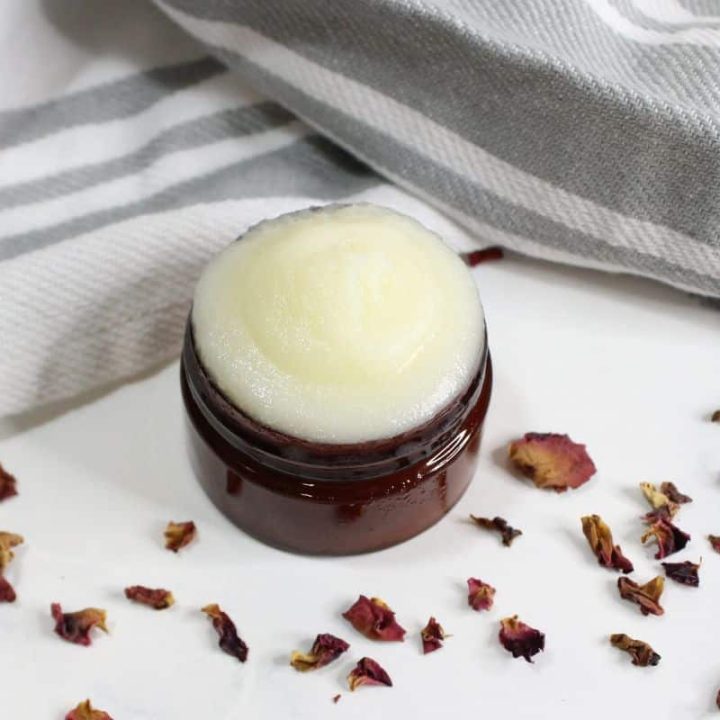
That’s it. You now have a soft, rose-scented beef tallow face cream to use as a daily face product or as a protective balm in harsh weather.
Tallow Face Cream FAQs
Here are some of the most commonly asked questions about making and using tallow face cream. Don't see your questions and answers below? Leave it in a comment, and I'll do my best to answer it.
Does beef tallow face cream clog pores?
It can, but it depends on your skin and how you use it. If you have acne prone skin, start with a tiny amount, patch test first, and consider using it only on dry areas or only at night so you can see how your skin responds.
How often should I use beef tallow face cream on my face?
Most people do well using it once a day, especially in dry weather, but you can adjust based on your skin types and your climate. If your face feels greasy or congested, use less product or use it every other day until you find your sweet spot.
Who should not use tallow face cream?
Anyone with a beef allergy should avoid it, and people with very reactive sensitive skin should patch test carefully, especially if essential oils are included. If you are under a dermatologist’s care or using prescription acne products, check before adding new skincare so you do not accidentally irritate your skin barrier.
How should I use tallow face cream?
A little goes a long way. Start with clean, slightly damp skin. Then warm a pea-sized amount between your fingers.
Press it into your face, especially on dry skin areas. If you feel greasy, you used too much. Next time, cut the amount in half.
For acne-prone skin, use it as a spot moisturizer rather than coating your whole face. Some people do well using it only at night. Others prefer it as a thin daytime layer in winter.
How often can I use tallow face cream?
Most people can use a tallow face cream daily, but your skin gets the final vote. If your skin feels heavy or congested, use it less often or use less product. If your skin feels tight and dry, you may do well with a thin layer morning and night.
How should I store homemade tallow face cream?
Store your cream like you would store other natural products. Keep lids on tight and use clean, dry fingers or a small spatula. Store in a cool, dark place away from direct heat.
And remember, in a warm house, the cream may soften. In a cool house, it may become firm. That is normal for a balm-style product.
Does tallow balm smell beefy?
A well-rendered tallow balm should not smell strongly like beef. It may have a mild, clean, “fat” scent, especially when you first open the jar, but it should not smell like cooking meat. Using clean suet-based tallow and adding rose-infused oil can help keep the scent soft and pleasant.
Can I add honey to this face cream?
My tallow cream is soft, is this normal?
Yes. Softness depends on your room temperature and the oils you used. Some carrier oils stay more liquid, which can make a softer cream. If you want it firmer, reduce the amount of carrier oil next time, or store it in a cooler place.
My face cream is hard, is this normal?
Yes. Tallow firms up more in cool temperatures. If it is too hard to scoop, warm the jar in your hands for a minute, or set it in a slightly warmer spot. If you want a softer texture long-term, increase the carrier oil a bit in your next batch.
A simple customization guide
This is the part where people can go wild, so let’s keep it simple. To make it creamier, use a bit more carrier oil for a softer face cream texture.
To make it feel more like balm, use less carrier oil so it sets firmer, closer to a tallow balm.
Adding scent to beef tallow cream
In this recipe, the rose-infused oil does a lot of the work. If you add essential oils, keep it simple to start. Lavender is popular in tallow skincare, and it pairs nicely with rose.
If you want a lavender version, take a look at my lavender tallow balm recipe and use it as another base formula for your DIY skincare shelf.
By the way, honey is natural and wonderful, but remember that it is also water-based. Water and oils don't mix well, and water can shorten shelf life. If you want to use honey for skincare, I would keep it separate, use it as a quick face mask (then rinse), and follow with your tallow face cream to seal in moisture.
Other DIY Tallow Skincare Products
Once you have a jar of tallow, it is tempting to make all the things. I get it.
If you're building your own home skincare and beauty supply cupboard, here are some ideas to get you started.
Tallow balm
A basic tallow balm is usually just tallow plus a carrier oil, sometimes with essential oils. It is thicker than face cream, and it works well on hands, elbows, heels, and winter cheeks. Many families use it as an all-purpose balm for face, body, and dry patches.
If you are already making rose face cream, you are basically one small tweak away from a classic tallow balm.
Whipped tallow body butter
If you like a fluffier feel, you can whip melted and cooled tallow with a hand mixer until it becomes lighter and airier. This makes a richer body butter for dry skin, especially on legs and arms in winter. You can scent it lightly or leave it unscented.
This one is great for people who want a “cream” feel for the body, but still want to keep the ingredients simple and natural.
Lip balm (tallow or beeswax-based)
If your goal is a full cupboard of homemade skincare products, lip balm is a practical add-on. Some people use a tiny amount of tallow in lip balm blends, but many prefer beeswax as the base because it holds up well and feels less oily.
If you want an easy starting point, my beeswax lip balm recipe is a great beginner project and fits right into a homemade skincare routine.
Herbal salves
If you like the idea of infusing herbs and making small jars for your first-aid kit, salves are a natural next step. They're similar in spirit to tallow skincare: simple ingredients, small batches, and you control what goes in.
My beeswax salve recipe is a good example of how to build a salve with a few basic ingredients, and it is especially handy when your skin gets rough, dry, or irritated.
Deodorant, soap, and other DIY products
Once you start making your own skincare products, you might also want to try your hand at soapmaking. Just remember: more products do not always mean better skin.
If you have acne or have sensitive skin, too many changes at once can make it hard to tell what's helping and what isn't. Add just one product a week, so it's easier to figure out how your skin reacts to each item.
Remember, you don't need a whole shop of homemade products to see benefits. Start small. Build confidence. Keep what works.
Like this post? Save it, share it, and read it!
How to Make Homemade Beef Tallow Face Cream
Learn how to make DIY beef tallow face cream with roses. Easy steps, storage tips, and gentle options for dry skin, sensitive skin, or acne prone skin using grass fed tallow and oils.
Materials
- handful of rose petals
- ¼ cup carrier oil (I like almond oil)
- ½ cup of rendered beef tallow
- 10 - 15 drops essential oils (optional)
- 5 1-ounce containers
Tools
- mason jar for rose-infused oil
- measuring spoons
- measuring cup
- double boiler
Instructions
- For the rose-petal oil, simply add the rose petals to ¼ cup of carrier oil. Cover and place in a dark, cool spot for 4 to 6 weeks.
- Add the rendered tallow and rose-infused oil to a glass jar.
- Heat slowly in a double-boiler until melted.
- Once cooled slightly but still liquid, add 10 - 15 drops of essential oils.
- Once melted, pour carefully into 1-ounce containers.
- Let cool completely until it is solidified.
- Cover and store in a cool dark place.
Notes
1. You can do this in a microwave using a microwave-safe glass jar or bowl. Heat the mixture at medium power for 30-second increments until it is liquid.
2. You can make this with grapeseed oil, almond oil or avocado oil. You could probably make it with olive oil, but it will change the scent.
Recommended Products
As an Amazon Associate and member of other affiliate programs, I earn from qualifying purchases.



Sarita Harbour is a long-time freelance writer, blogger, and homesteader who has been creating online content for over 15 years. She’s the founder of An Off Grid Life, where she shares practical advice on self-reliance, homesteading, off-grid living, and homeschooling based on her 11-year adventure living in Canada’s remote Northwest Territories.