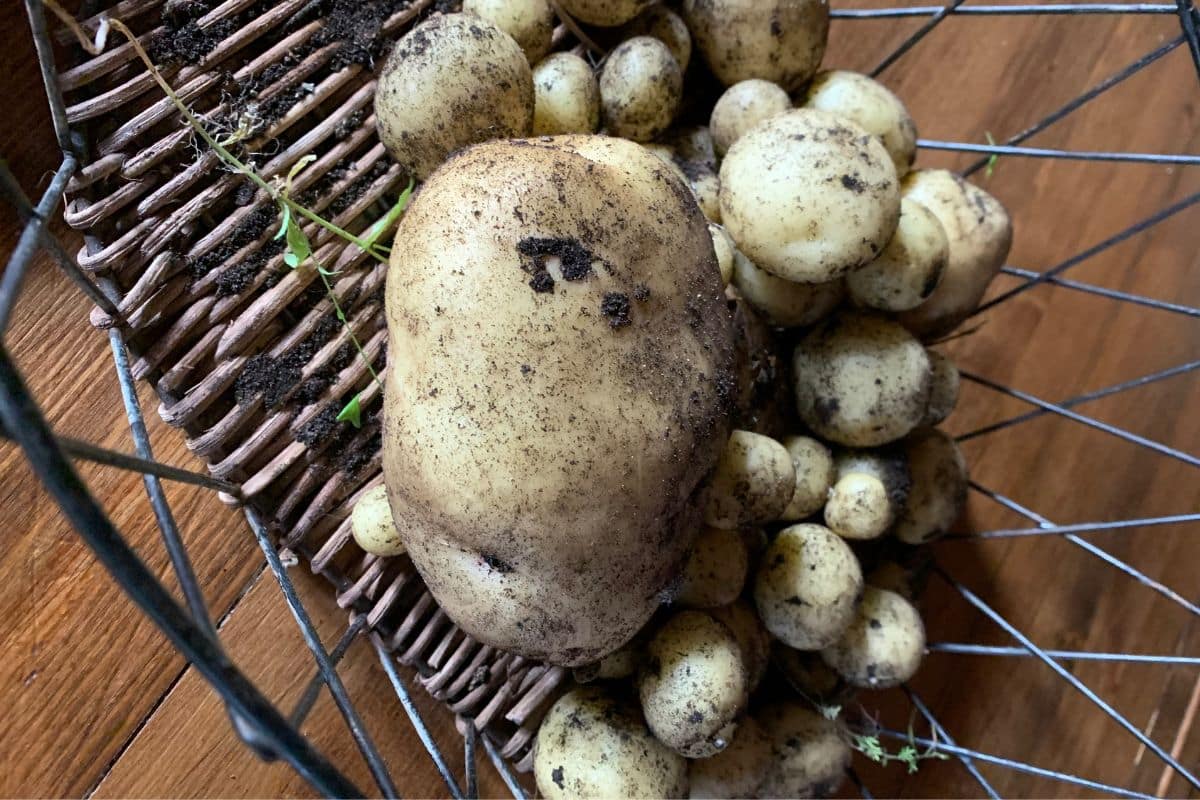
If your garden beds look tired, crusted over, or slow to wake up after winter, you're not alone. A hard freeze, deep snowpack, ice, foot traffic, and salty runoff can leave spring soil compacted, low in organic matter, and short on the biological life plants need to thrive.
That's where spring soil remediation comes in.
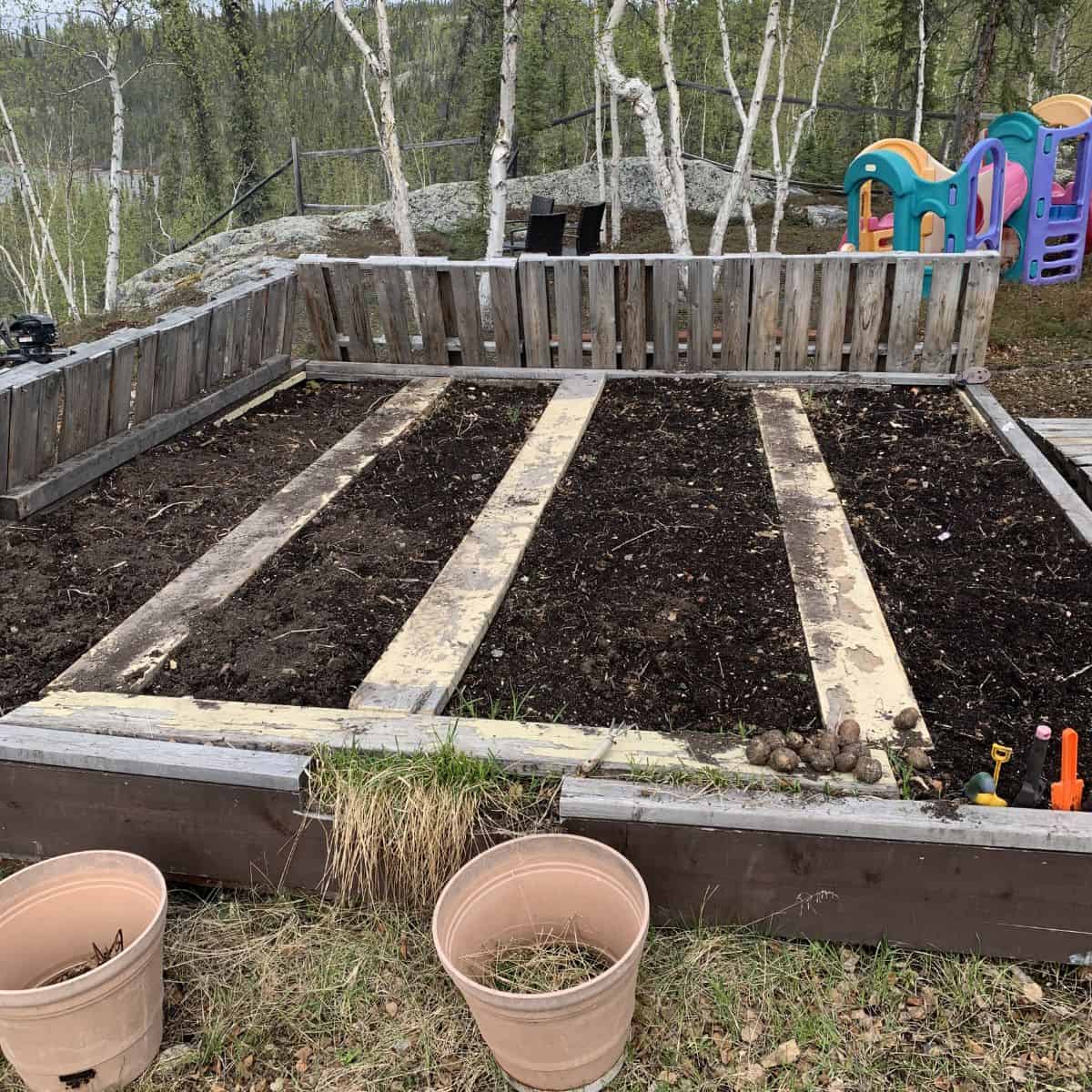
Table of Contents
Soil remediation means fixing a problem before you plant. In a backyard garden, that can mean loosening compacted soil, rebuilding soil structure, improving drainage, restoring soil health, dealing with salt damage, or testing for lead or heavy metals in a questionable area.
Soil amending is different. Amending means adding helpful materials like compost, leaf litter, or minerals to improve healthy soil over time. When winter has done real damage, remediation comes first.
If you want the quick answer on how to prep soil for spring, focus on three things first: loosen compacted soil, restart soil biology, and test for salt or contamination in any suspect area. Once you know what's going on under the surface, you can improve soil in the right way instead of guessing.
Why spring soil remediation matters
This year, many people gardening in a cold climate across Canada and the northern U.S. are dealing with the same mess: heavy snow compaction, late thawing, crusted beds, and runoff from salted roads and driveways. In older urban and suburban areas, some gardeners also need to think about lead and other heavy metals before they grow food close to old houses, painted sheds, rail lines, or busy roads.
The U.S. Environmental Protection Agency also updated its residential soil lead guidance in 2024. EPA lowered the recommended screening level for lead in residential soil from 400 parts per million to 200 parts per million, and to 100 parts per million where there are multiple lead exposure sources. That's a good reminder to test before planting food in older yards or any area near painted structures, traffic, or former work sites.
For Ontario gardeners, a full home garden soil test is a smart first step when you suspect winter damage, poor soil structure, or road salt issues. If you're gardening near an older home, painted outbuilding, busy road, or any former industrial or fill area, add a heavy metal test too.
Start with a post-thaw soil audit
Before you get all excited about planting a sustainable vegetable garden to feed your family, take a close look at the soil you already have. And get ready to get your hands dirty.
Try the squeeze test first
Grab a handful of moist soil and press it into a ball. If it stays sticky, slick, and dense, it's still too wet to work. If it crumbles apart with a gentle poke, you're closer to safe working conditions. That one simple habit can help protect garden soil from even more compaction.
Look for the three signs of life
Good garden soil often looks dark, smells earthy, and shows visible activity. You may see worms, roots, or fine fungal threads. Dead-looking soil often feels hard, pale, and stale.
Check for salty runoff
If a bed sits near a road, driveway, or walkway, check for signs of salty runoff. Roadside soils often take a beating from winter salt, especially when meltwater carries it straight into low spots and garden edges.
Test before you treat
A basic soil test can tell you a lot about pH, organic matter, sodium, total salts, and nutrient balance. If the location has risk factors, add heavy metal testing too. Don't guess.
My own spring soil story
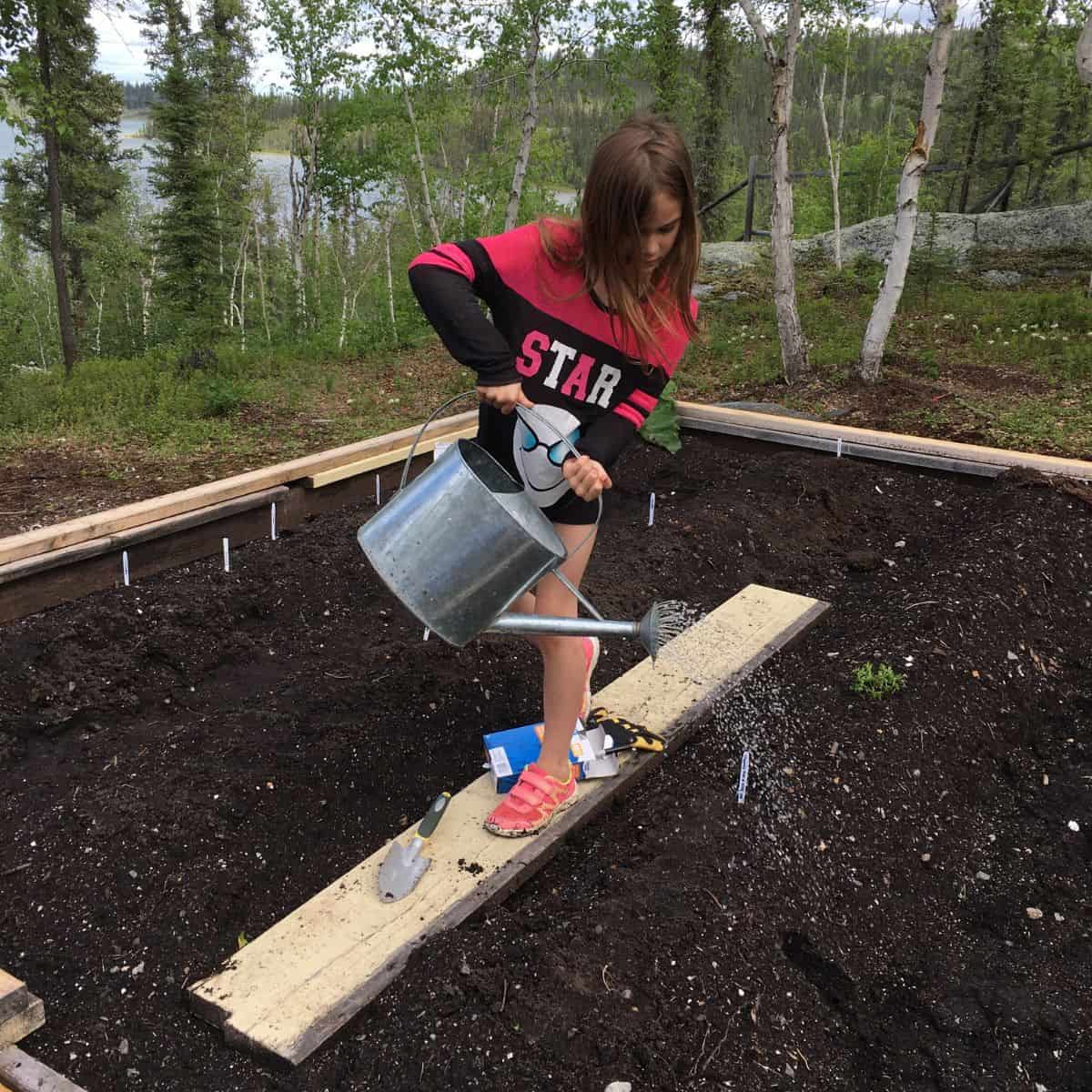
When I was gardening off the grid in the Northwest Territories, our soil was terrible. I wasn't dealing with road salt there, but I was dealing with rough, stubborn ground that didn't want to grow much of anything.
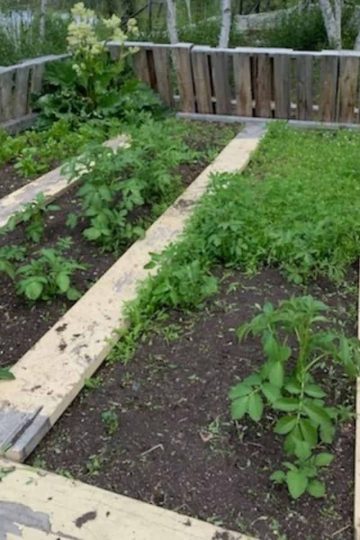
It took years of adding compost, bringing in better garden soil, using natural homemade fertilizer and slowly reworking and rehabbing the soil in our raised garden beds before it became good enough to grow vegetables well.
Now, in northern Ontario in 2026, I'm dealing with a different kind of problem. After a winter of record-setting snowfall, the snow load has left our soil badly compressed. The roads here are salted, too, and that runoff adds another layer of trouble in some spots. So this year, I'm not treating the garden like it just needs a quick spring tidy-up. I'm treating it like a repair job first.
That's one of the biggest lessons I've learned from gardening through very different northern conditions. Sometimes you need to slow down and rebuild the foundation before you can expect a healthy harvest.
Spring soil remediation methods that actually help
These are the methods I'd focus on first when winter leaves your soil compacted, crusted over, or slow to come back to life. You don't need to do everything at once, but you do need to match the fix to the problem.
Use a broadfork before you till
If your main problem is compacted soil, start with a broadfork instead of a tiller. A broadfork lifts and loosens the bed without flipping the whole soil profile upside down. That helps preserve soil structure, protects fungal networks, and improves airflow and drainage without the disruption of full tillage.
If you're still learning the basics of building a productive food garden to feed your family, start with my homestead gardening guide. It helps you think beyond one season and start building a long-term system.
Add rich compost and organic matter to the top
Once the bed is workable, top-dress it with clean, finished compost, leaf mold, or other stable organic matter. This is one of the best ways to improve soil without wrecking the layers you're trying to rebuild.
You don't need to bury your compost deep in the spring. A surface layer works well because moisture, worms, and microbes will move it down over time. This is especially useful if you're trying to improve soil structure, feed soil health, and build a better compost system for the future.
If you want a simple, frugal way to support that process, take a look at how to make homemade DIY compost starter. If you're gardening with kids, you might also enjoy my post on teaching kids to compost.
Wake up sluggish soil biology
Spring soil that looks grey, flat, or lifeless often needs more than nutrients. It needs life. A thin layer of vermicompost, well-finished compost, or a compost-based inoculant can help restart biological activity after a hard winter.
If you're new to gardening, spend time learning backyard gardening bs gardening basics. This can help you spot the difference between a soil problem and a fertilizer problem.
Use biochar carefully in problem beds
Biochar won't solve every soil problem, but it can be useful in the right situation. Biochar is a carbon-rich material made by heating biomass in a low-oxygen environment, which is why it looks a bit like a lightweight, highly porous charcoal.
In some cases, it may help reduce how easily certain heavy metals move into plants. I'd still treat it as one piece of a bigger plan. If you suspect contamination, testing comes first. Clean compost, careful crop choice, and common sense matter more than any one amendment.
Try phytoremediation where it fits
In some situations, sunflowers and mustard greens can help pull up certain contaminants. Phytoremediation means using living plants to help remove, contain, or reduce contaminants in soil or water. However, phytoremediation is not a quick miracle fix, and it does not mean one season of flowers turns a bad food garden into a safe one.
If you grow a cleanup crop in suspect soil, don't compost it. Dispose of it according to local guidance.
Tip: Growing your own vegetable garden doesn't necessarily require planting organic seeds directly into the earth. Consider vertical gardening. Or learn about how to use cold frames to extend your garden season.
Deal with road salt before you plant
If meltwater from salted roads or driveways runs through a bed, tackle that issue before planting food there. Flush the area with fresh water only if drainage is decent, then work on rebuilding organic matter and soil structure. In a worst-case scenario, a raised bed may be the smarter short-term answer.
If that sounds like your situation, you may find it helpful to read how to build a cinder block garden.
A step-by-step workflow for spring restoration
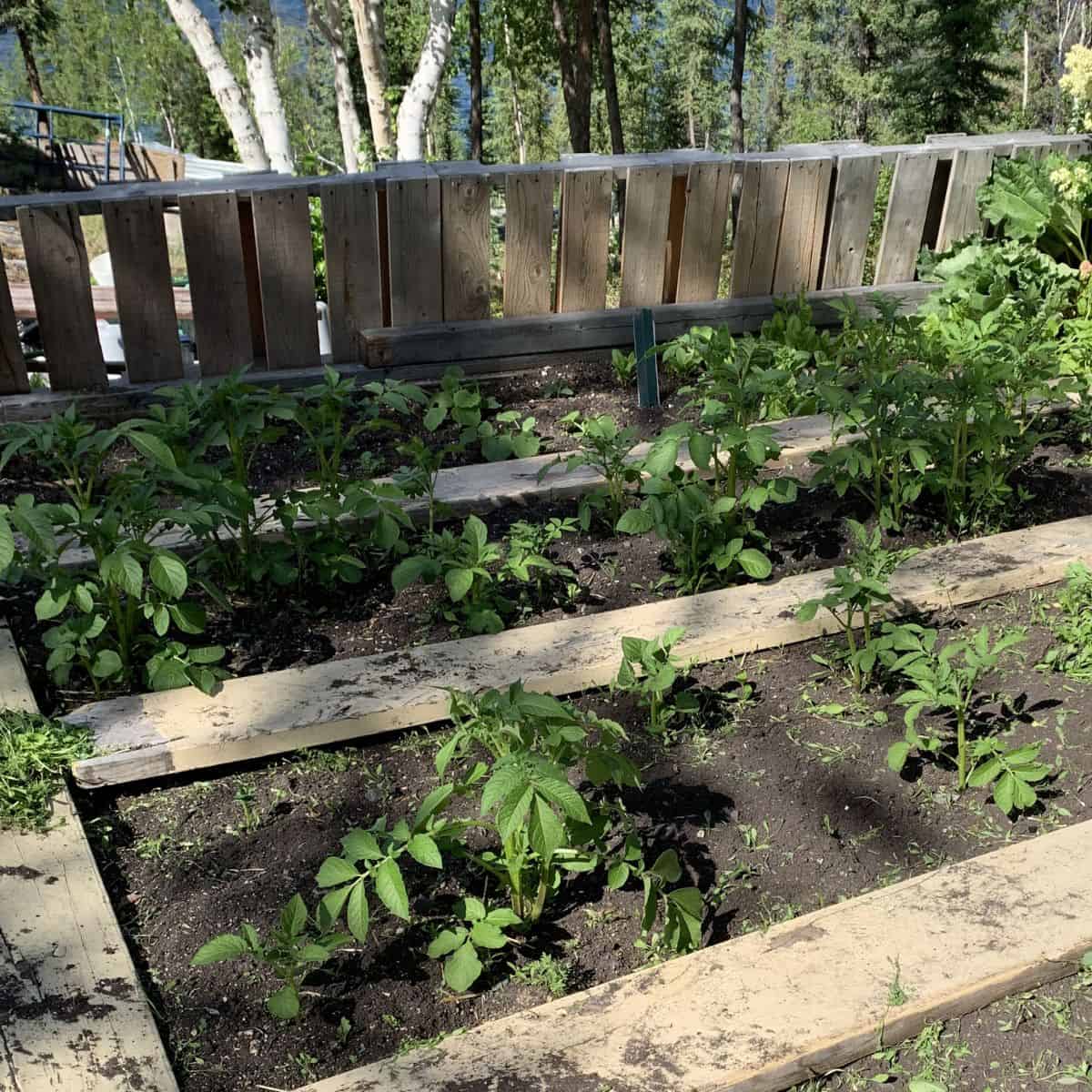
If someone asks me how to fix garden soil after heavy snow compaction, this is the order I'd use.
Wait until the soil is workable
Don't rush onto wet beds just because the snow is gone.
Clear debris gently
Remove winter mess without tilling weed seeds into the soil.
Test before you treat
Order a basic soil test. If the location has risk factors, add heavy metal testing too.
Broadfork compacted areas
Loosen the bed while keeping the soil profile more stable.
Top-dress with compost
Add compost or another clean organic amendment to the surface.
Add supporting amendments only if needed
Kelp meal, rock dust, gypsum, or biochar can help in some beds, but test results should guide your choices.
Mulch lightly
Protect the surface and help hold moisture.
Grow food only where the soil is ready
If one area still seems questionable, use that bed for a cleanup crop, flowers, or a rest season and grow your vegetables elsewhere.
If you need to shift crops around or rethink your layout, how to plan a garden for 2026 can help you make the most of the season.
Soil challenges in Canada and the U.S.
Gardeners in the U.S. often need to think about legacy lead in older urban and suburban soils, especially near older painted structures and busy roads. In drier western regions, water infiltration and moisture retention may be just as important as contamination concerns.
In Canada, especially in Zone 3 and Zone 4 areas, the challenge often starts earlier in the season. The thaw-to-plant window can be short. Beds may stay saturated, then dry too fast. Boreal soils can also be acidic, which makes pH testing worth the trouble.
Spring Soil Remediation Quick Check Table
| Garden area | Main issue | What to test | What to do first | Food crops this spring? |
| Main vegetable bed | Heavy snow compaction | Basic soil test | Broadfork, add compost | Yes, if workable and clean |
| Roadside bed | Salt runoff | pH, sodium, salts | Flush, add organic matter | Not yet |
| Older yard near painted shed | Possible contamination | Heavy metals | Test first | Wait for results |
| Raised bed with poor growth | Low biology | Basic soil test | Add compost, vermicompost | Likely yes |
| New garden area | Unknown soil health | Basic soil test | Observe, test, then amend | Depends on results |
Spring Soil Remediation FAQs
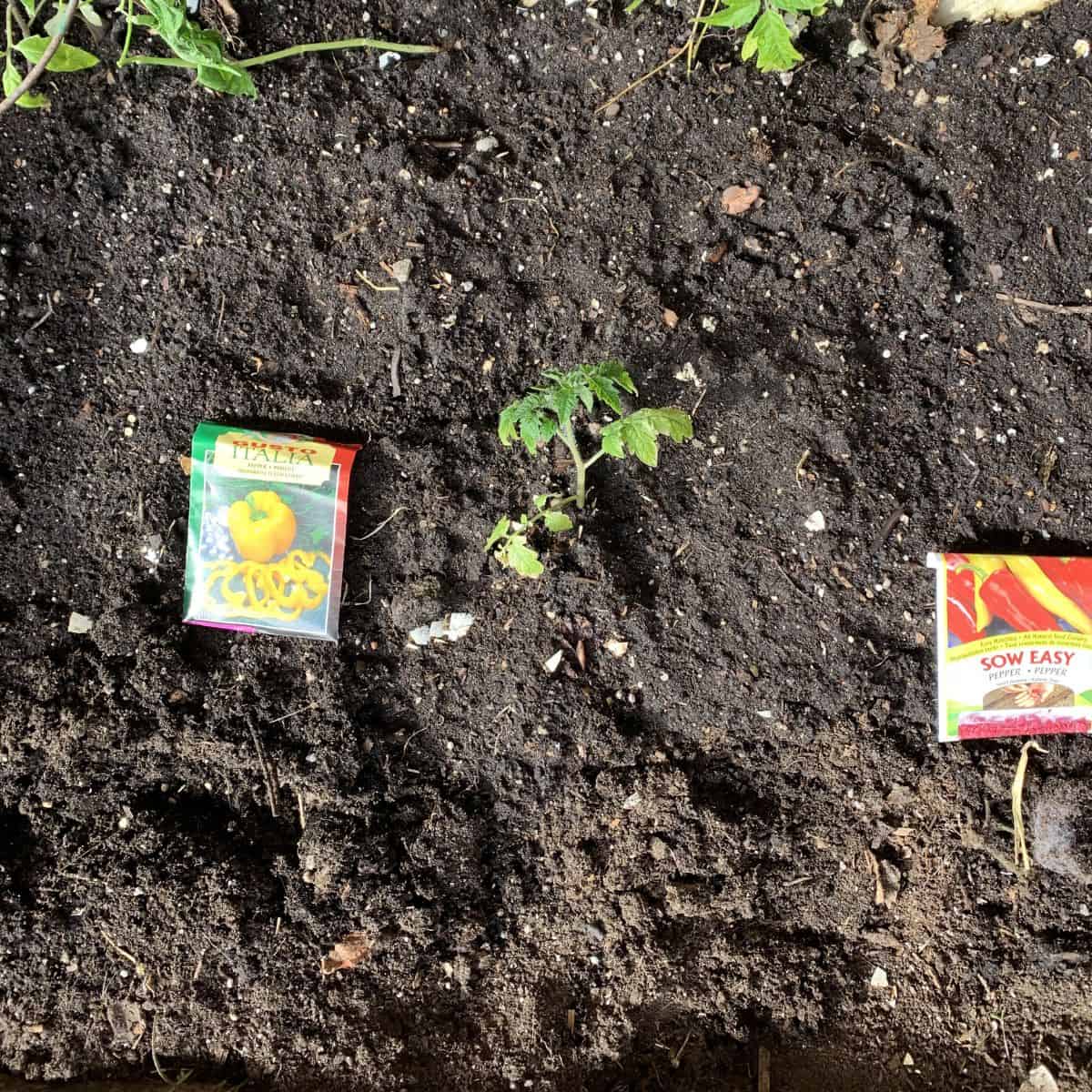
These are some of the most common questions gardeners ask when spring soil looks rough after winter. The good news is that most problems get easier to solve once you know what caused them.
What is spring soil remediation?
Spring soil remediation means fixing winter soil problems before planting. That can include compacted soil, low biological activity, poor drainage, salt damage, pH issues, or contamination.
What is the fastest way to remediate compacted garden soil in the spring?
For most home gardens, a broadfork is the fastest low-disturbance fix once the bed is dry enough to work. It loosens the soil without destroying the structure.
Can I use sunflowers to remove lead from my garden soil?
Sometimes. This process is called phytoremediation. But it takes time, it won't solve every contamination issue, and you should not compost cleanup plants grown in suspect soil.
How do I know if my soil is dead after a long winter?
Look for dark colour, an earthy smell, and signs of life like worms or fine fungal threads. If the soil is grey, odourless, or sour-smelling and hard, it likely needs organic matter and biological support.
Is it safe to use road salt-impacted soil for vegetables?
Only after remediation. High sodium can damage roots and interfere with water uptake, so it's smarter to flush and rebuild the area first before you plant food there.
Final thoughts
Spring soil remediation can sound technical, but it really comes down to observation, patience, and doing the next right thing. Start with the worst bed. Test what worries you. Build back healthy soil one layer at a time. And don't be afraid to let the garden bed lie fallow for a season. Even soil needs a break.