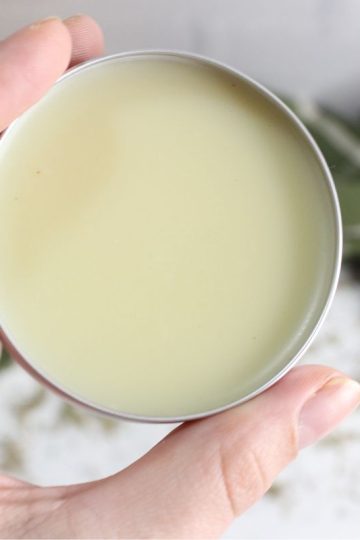
Oregano salve is a versatile and natural remedy you can make at home using simple ingredients. This oregano salve recipe is a great way to use leftover oregano and carrier oils and an excellent addition to your natural first-aid kit. Here's how to make your own oregano salve, along with its benefits, uses, and some frequently asked questions.
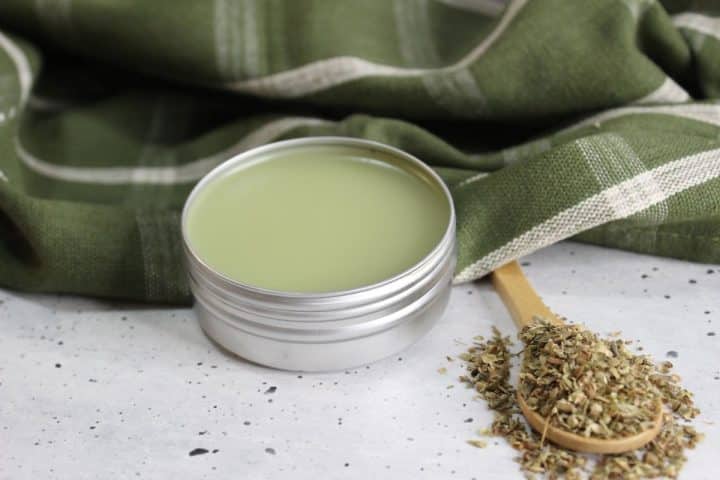
Table of Contents
How to Make Oregano Salve
Making this oregano salve recipe is straightforward and requires only a few key ingredients. The process involves infusing oregano into oil, melting beeswax, and adding optional essential oils for an added boost.
Ingredients
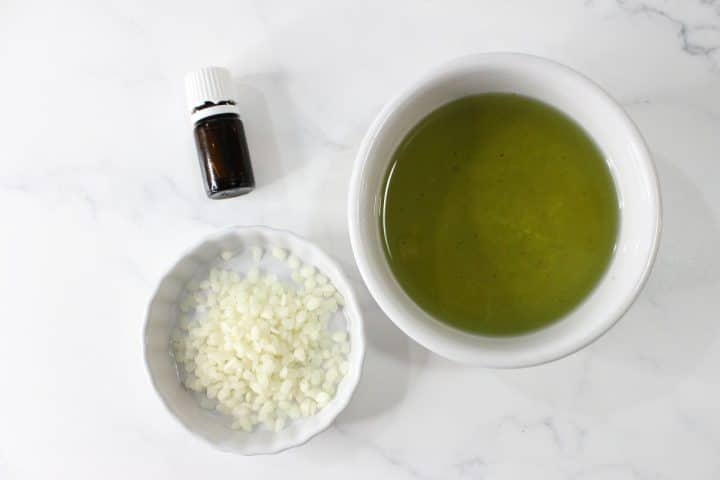
These are the basic ingredients required. You can get them online or at your local shops.
- Fresh or dried oregano (enough to fill a jar halfway)
- 1 cup carrier oil (such as grapeseed oil, olive oil, or coconut oil)
- ¼ cup beeswax
- 20 drops essential oils (optional, such as tea tree or eucalyptus)
- Small containers (e.g., 2 oz tins or jars)
A Quick Safety Note
Use dried oregano when you can. Fresh herbs hold moisture, and moisture in oil can shorten shelf life.
If you use fresh oregano, dry it well first. Penn State Extension recommends careful handling when making herb-infused oils because fresh herbs and oil can create food safety risks when stored the wrong way.
Don't use oregano essential oil straight on your skin. Add only a small amount, dilute it well, and test the salve on a small patch of skin first.
Oregano Salve Recipe Directions
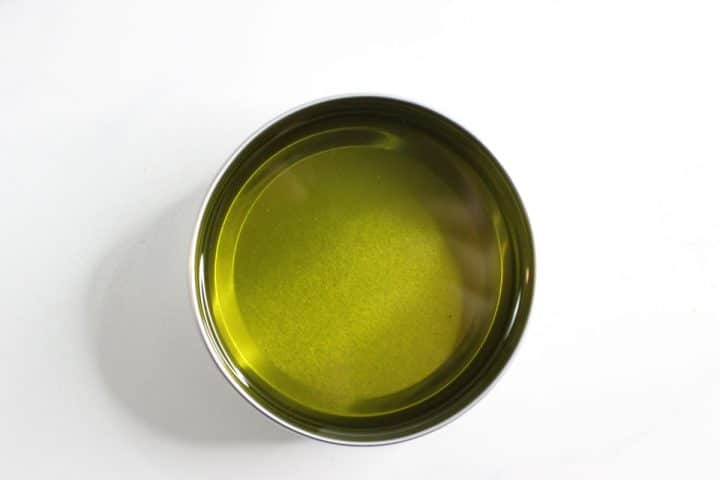
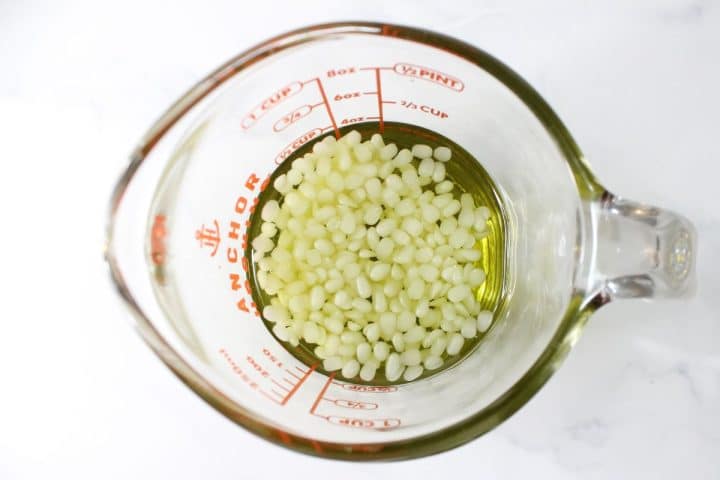
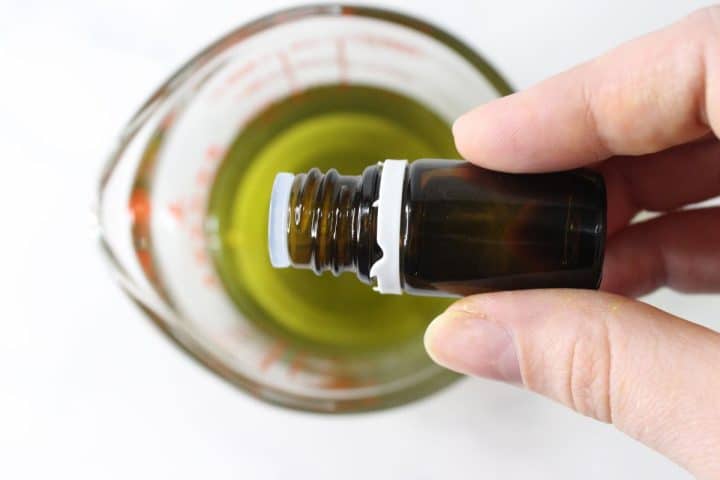
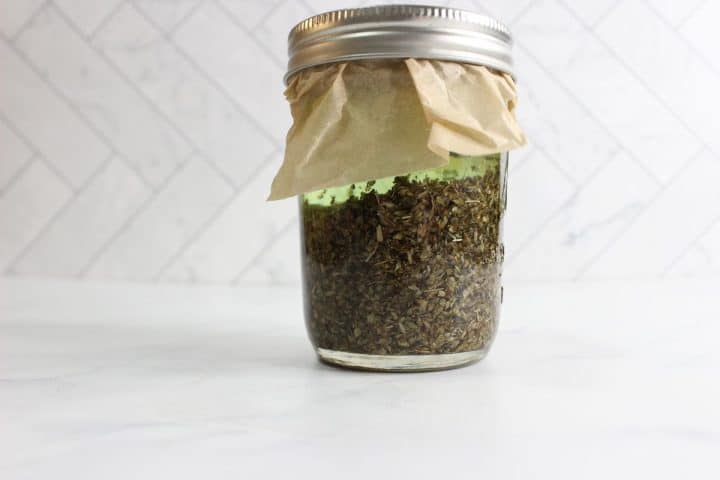
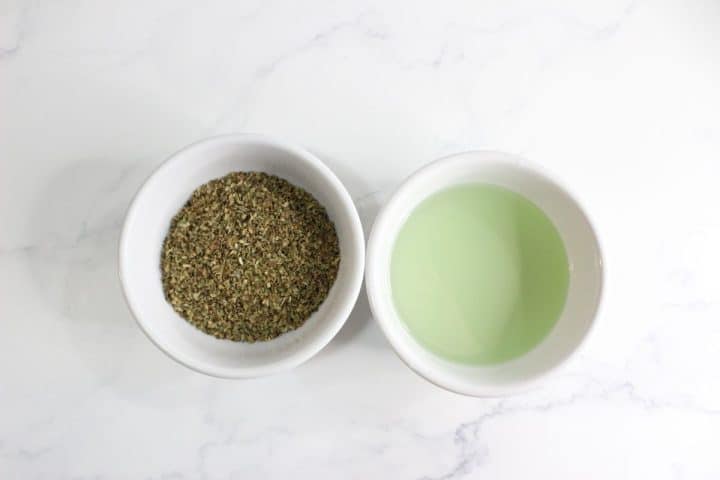
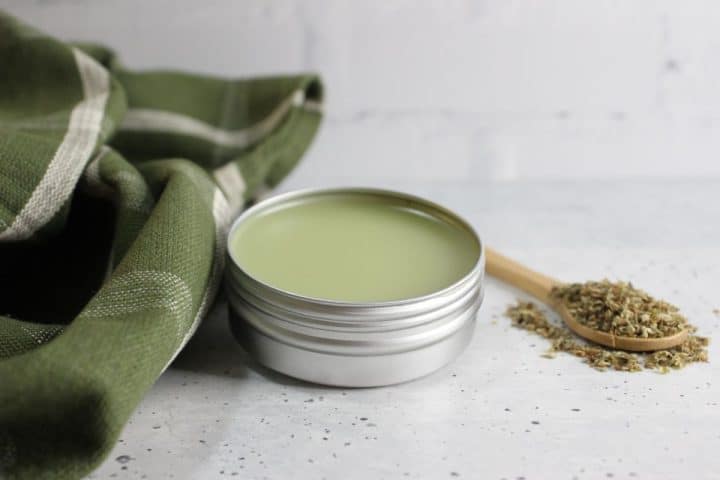
Start by gathering your materials and setting up a clean workspace. This simple recipe yields approximately 6 ounces of salve, which stores well for several months.
- Infuse the Oil
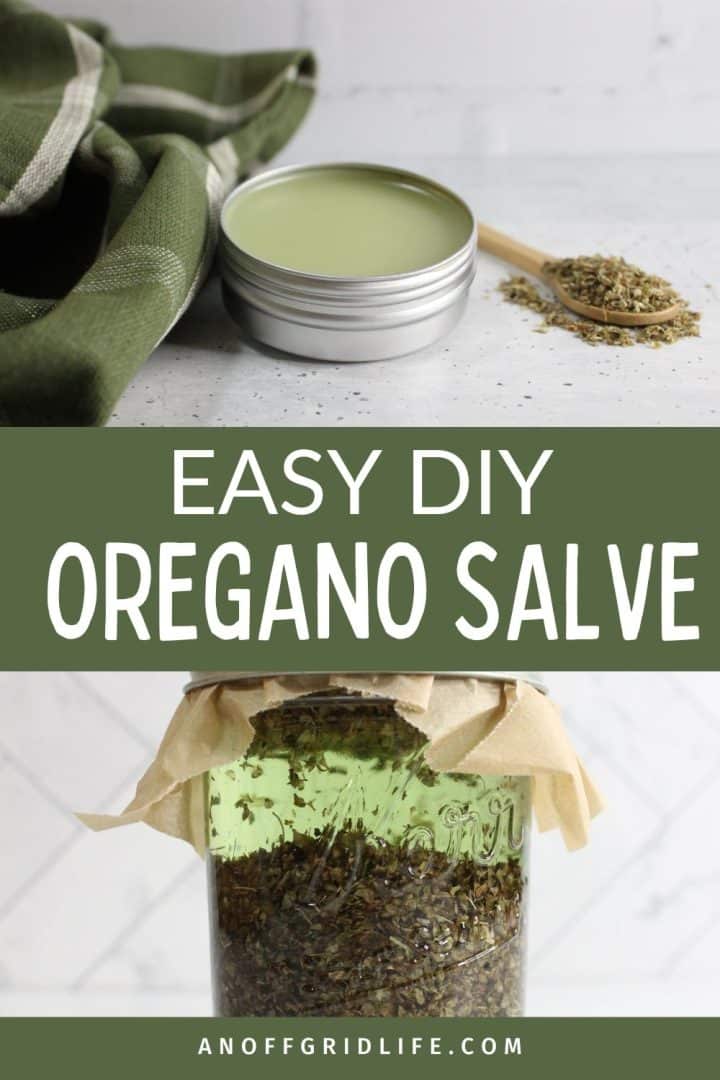
- First, be sure to follow the directions for safely making infused herbal oils. Fill a clean glass jar halfway with fresh or dried oregano.
- Pour your chosen carrier oil over the oregano until it is completely covered.
- Seal the jar tightly and let it sit in a warm, sunny spot for 2-4 weeks. Shake the jar occasionally to ensure an even infusion.
- Once infused, strain the oil using a fine mesh strainer or cheesecloth to remove the oregano. Reserve the oil. (Note: see my post on how to make oregano oil for more detailed instructions.)
- Melt and Mix
- Combine the infused oil and beeswax in a microwave-safe glass jar.
- Heat in 30-second intervals, stirring thoroughly each time until the beeswax fully melts. Alternatively, use a double boiler for a gentler melting process.
- Add Essential Oils
- Let the mixture cool slightly before adding essential oils. Stir well to incorporate.
- Pour and Cool
- Pour the mixture into small containers and let it harden overnight.
- Once fully set, seal the containers with lids and store them in a cool, dry place.
Why Make This Salve
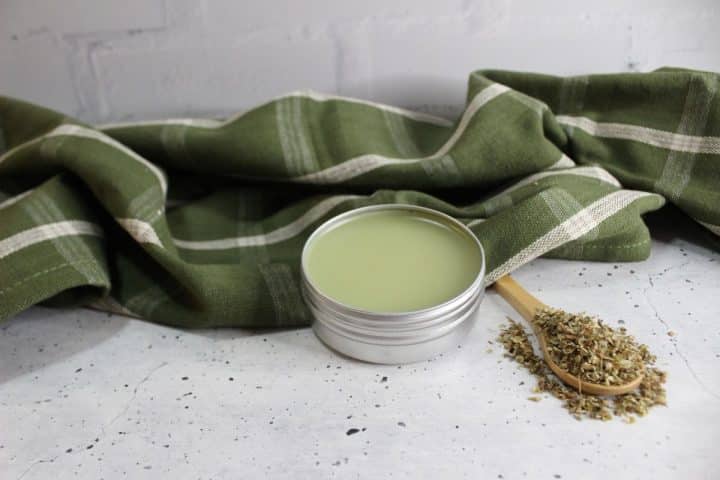
Living off-grid taught me to look at simple herbs differently. When you live far from town, you start thinking twice before running to the store for every little thing.
I like keeping a few basic homemade salves in our natural first-aid basket. This oregano salve gives me one more way to use herbs, carrier oils, and beeswax in a practical way. I don't treat it like a cure-all, but I do like knowing exactly what's in it.
Making small batches also helps me avoid waste. If I have leftover oregano from the garden or dried herbs from another project, I can turn them into something useful for our home.
The process of making oregano oil salve is pretty simple. It's also a good way to use leftover herbs and oils from other projects, like making oregano oil itself. This helps to reduce waste and also creates a product that's both cost-effective and useful.
Salves tend to be a bit soft, so if you prefer to use a more solid option, try making a grass-fed tallow balm at home.
Oregano Salve Benefits
Due to its powerful properties, oregano salve is a popular choice for people seeking natural remedies. As an alternative to eucalyptus salve, it offers unique benefits. Research on oregano essential oil points to carvacrol and thymol as two key compounds behind its antimicrobial activity, though most studies focus on concentrated essential oils rather than homemade salves.
- Antimicrobial Properties: Oregano contains compounds like carvacrol and thymol, which are known for their antibacterial and antifungal effects.
- Skin Soothing: The salve can help reduce inflammation, redness, and irritation, making it a helpful remedy for minor skin issues.
- Natural Healing: As another option to my herbal healing salve, it supports wound healing and relieves bug bites, rashes, and dry skin.
Oregano Salve Uses
Oregano salve's versatility makes it a valuable addition to your home remedies medicine chest. Here are some common uses for this salve.
- Topical Applications: Apply a small amount to dry skin, rough hands, or minor bug bites. For cuts, burns, deep scrapes, or infected skin, check with a medical professional.
- Moisturizer: Use it as a natural moisturizer for dry, cracked skin, especially on hands and feet.
- Bug Bite Relief: Dab a small amount on bug bites to reduce itching and swelling.
- Cold Sores: Its antimicrobial properties can help soothe and manage cold sores.
And by the way, don't forget to add our DIY bug spray to your natural medicine chest, too!
Oregano Salve Recipe FAQs
Do you have questions about making or using oregano salve? Here are the most common ones. If your question isn't answered here, please leave it in the comments.
Can I use fresh oregano instead of dried?
Yes, you can use fresh oregano, but be aware that it contains water, which can shorten the shelf life of the infused oil. Dry the oregano thoroughly before use to extend the salve's shelf life.
What's the difference between oil of oregano and oregano salve?
Oil of oregano is a concentrated essential oil, often taken internally or diluted for topical use. Oregano salve, on the other hand, is a milder, topical preparation made by infusing oregano into a carrier oil and combining it with beeswax.
Is oregano salve the same as oregano essential oil?
No. Oregano salve uses oregano-infused carrier oil, which is much milder. Oregano essential oil is highly concentrated and shouldn't go straight on your skin without proper dilution.
Can I substitute the beeswax with a vegan alternative?
Yes, you can use plant-based waxes such as candelilla wax or soy wax as a substitute for beeswax. Remember that the salve's consistency may vary slightly, so adjust the ratio as needed.
Oregano Salve is Simple
Oregano salve is a simple and effective herbal remedy to have on hand. It's a practical way to use leftover oregano and carrier oils, helping you create a natural product that's so useful for many conditions. Whether you're new to DIY skincare or looking for an alternative to a storebought natural salve, which can be pricy, oregano salve is a versatile and worthwhile addition to your home herbal apothecary.
Like this post? Save it, share it, and read it!
How to Make Oregano Salve
Make your own herbal healing salve with oregano. This recipe is simple, cost-effective, and helps reduce waste by repurposing leftover oils and herbs.
Materials
- Oregano
- Carrier oil
- 1 cup infused oil
- ¼ cup beeswax
- 20 drops essential oils
- 2 oz containers
Tools
- measuring spoons
- mason jars
- measuring cups
Instructions
- Make your oregano oil by adding dried oregano to a jar until it is half full.
- Pour the carrier oil on top to completely cover the herb. Let infuse for about three weeks, shaking every now and again. Then strain out the oregano leaves. I save them for my spaghetti sauce.
- Add infused oil and beeswax to a mason jar and melt slowly in the microwave or in a double boiler until completely melted. Mix thoroughly about every 30 secones
- Once melted, let the mixture slightly cool down before adding in your essential oils.
- Add to your containers and let harden overnight before putting the lid on.
- Notes:
- Essential oils are optional.
- Any carrier oil will work. I used grapeseed oil for this recipe because we like the light scent.
Recommended Products
As an Amazon Associate and member of other affiliate programs, I earn from qualifying purchases.