If you've ever wanted to make a simple homemade salve at home, chickweed salve is a great place to start. It's practical, affordable, and easy to make with a few basic ingredients you may already have in your kitchen.
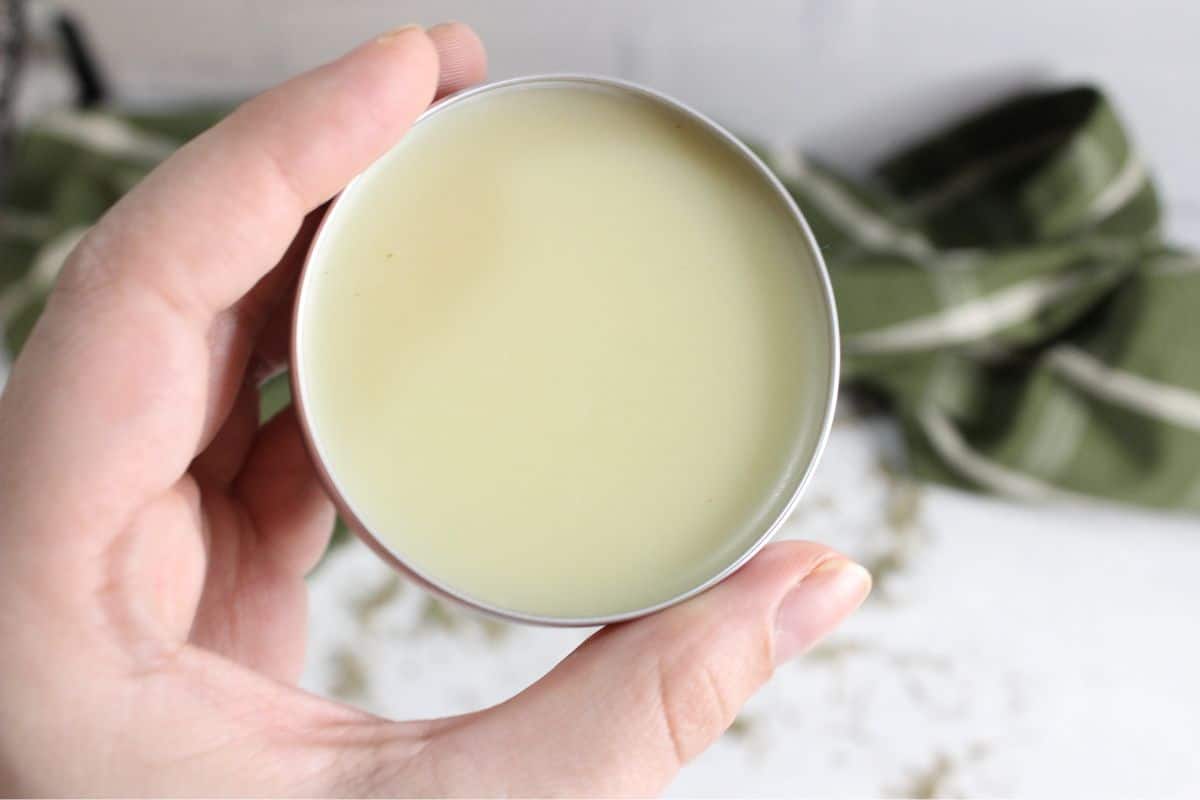
I like this recipe because chickweed shows up early in spring, often when everything still looks brown and sleepy. Here in Northern Ontario, it's one of the first useful plants I watch for, and it fits right in with other spring foraging ideas I turn to at this time of year.
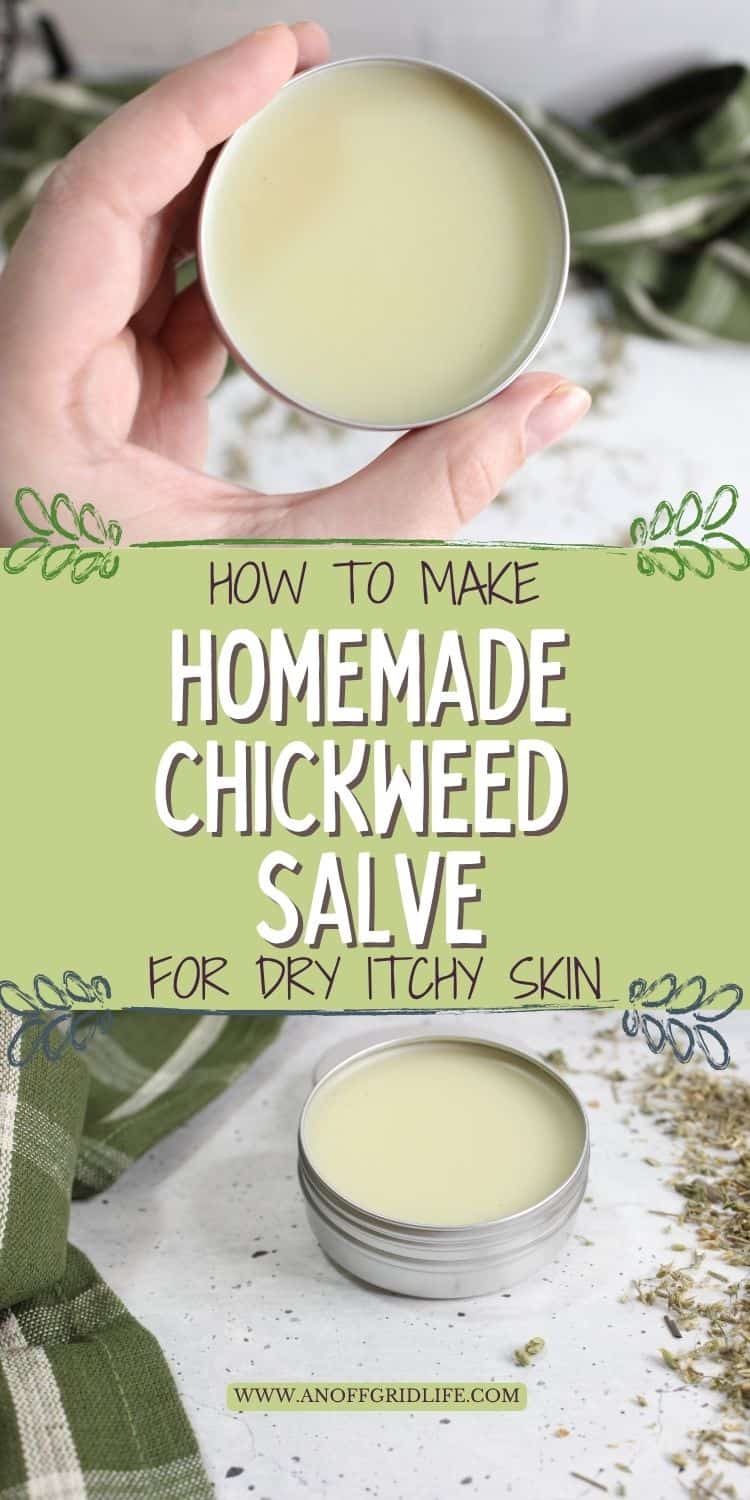
To make chickweed salve, wilt fresh chickweed for 12 to 24 hours to reduce moisture, infuse it in olive oil using a slow, gentle, warm method, then thicken the infused oil with beeswax. I use this soothing herbal salve as one of my simple homemade products for dry, itchy skin, especially on rough eczema-prone patches.
Table of Contents
Why chickweed salve deserves a place in your herbal toolkit
This humble spring herb does a lot of work. It's one of those natural body care ingredients that looks plain but turns into something very useful.
Chickweed salve appeals to people who want simple herbal care, old-fashioned home remedies, and practical ways to use the plants growing around them. It's especially handy in spring and summer, when people deal with dry skin, itchy spots, garden-worn hands, and the odd bug bite. Along with my homemade bug spray and DIY suncreen, it's a must-have in our summer medicine cabinet.
What makes chickweed special
In herbal traditions, chickweed often gets described as a cooling or soothing plant for hot, irritated skin. That's one reason it shows up in so many herbal salves and lip balm recipes.
I use it as a skin balm, not as a cure-all. If you deal with eczema, it helps to remember that dermatologists still recommend moisturizers as a basic part of eczema care, and that dry, cracked skin often needs steady moisture and gentle routines more than hype or fancy products.
How to identify chickweed
Before you make chickweed oil or a chickweed salve recipe, you need to make sure you've got the right plant. That matters with any foraging project.
Take your time with identification. It's always better to slow down than rush and guess.
Look for these chickweed signs
Chickweed, or Stellaria media, is a low-growing plant with tender green stems, small oval leaves, and tiny white flowers that look a bit like stars. One of the easiest ways to identify it is to find the single line of fine hairs running down one side of the stem.
Chickweed usually grows in cool, damp places. You'll often spot it in garden beds, near fences, along path edges, or in sheltered places where the soil stays moist.
Where I forage it in Northern Ontario
Around our home in northern Ontario, chickweed tends to pop up in shady patches near the garden right after the snow disappears. I usually find it in cool, damp shadows where the ground stays soft a little longer.
If you're new to foraging, use a reliable field guide and compare several photos before you harvest. And if you're foraging with children, be especially careful to follow safe foraging practices. My foraging and wildcrafting bundle can help you get more comfortable with the basics of working with wild herbs and plants at home.
The moisture challenge and why wilting matters
This is the step many people miss. It's also the step that can make or break the batch.
Fresh chickweed looks tender and harmless, but it holds a lot of water. That extra moisture can shorten shelf life, turn your infused oil cloudy, or even lead to spoilage and mold.
Why fresh chickweed can spoil your oil
Water and oil don't mix well in herbal infusions. If you pack fresh chickweed straight into oil, that trapped water can create problems fast. That's why I always wilt chickweed first.
I spread it out in a single layer on a towel or rack and leave it for about 12 to 24 hours. IT should feel limp, but not crispy.
The 24-hour wilt method
You want the herb to lose some moisture, not all of it. If it still feels wet and juicy, give it more time.
If it turns brown or crumbly, you've gone too far. Aim for soft, slightly wilted leaves and stems that still look green and healthy.
Choosing the best carrier oil for chickweed infusion
You've got a few good options here. The best carrier oil is often the one that fits your budget, skin needs, and pantry. Over the years, I've made many homemade salves, including oregano salve and calendula salve for my chickens - although it works great on humans too.
I'll often use coconut oil or almond oil as a carrier oil. However, this time I used olive oil for this chickweed salve. It's easy to find, stable, and reliable for homemade herbal body care recipes.
Olive oil is the easiest place to start
Olive oil makes a rich, traditional infused oil that works very well in salves. It's also one of the easiest oils to find, and it tends to store well.
That matters because chickweed salve already requires you to be patient with the infusion process. Using a familiar oil keeps the whole project simple.
Other oils that work well
You can also use sweet almond oil, sunflower oil, avocado oil, or grapeseed oil. Each one changes the feel of the finished product a little.
If you want to branch out later, you might also enjoy making beef tallow face cream or homemade calamine lotion. Once you learn how infused oil and beeswax work together, a lot of homemade body care products get easier.
Fresh vs dried chickweed oil infusion methods
This is where the real work happens. Once you've made chickweed oil, the rest of the recipe goes quickly.
You don't need fancy tools to do this well. You just need clean small mason jars or tins, dry tools, patience, and gentle heat if you want to speed it up.
Method A: the slow and steady infusion
Fill a clean, dry jar about halfway with wilted chickweed. Pour your carrier oil over the herb until it's fully covered.
Put the lid on and let it sit in a cool, dim cupboard for four to six weeks. Give it a gentle shake every few days. When it smells fresh and herbal, strain it through cheesecloth or a fine mesh sieve.
This method takes longer, but it fits a slow seasonal rhythm. It also works well if you prefer ongoing, seasonal projects and low-waste habits.
Method B: the quick warm infusion
If you don't want to wait several weeks, you can use very gentle heat to speed up the process. Keep the oil warm, not hot, in a double boiler or similar setup for several hours, up to a day.
Low and slow works best. Keep the temperature range about 38°C to 43°C for the quick infusion method of making chickweed salve.
The artisan salve approach
Making salve is one of those old skills that rewards patience. I like using manual tools, low heat, and simple steps because they give me more control over the finished product .
That slower approach also fits the spirit of other homemade herbal skincare items, like the dandelion oil and salve I made a few years ago.
Chickweed salve recipe
This recipe makes about 6 ounces of chickweed salve. It's a nice small batch for tins, jars, or 2-ounce containers.
This version keeps things simple. You can always adjust the firmness a little in later batches by reducing the amount of oil and slightly increasing the beeswax portion.
Ingredients
- wilted chickweed
- carrier oil
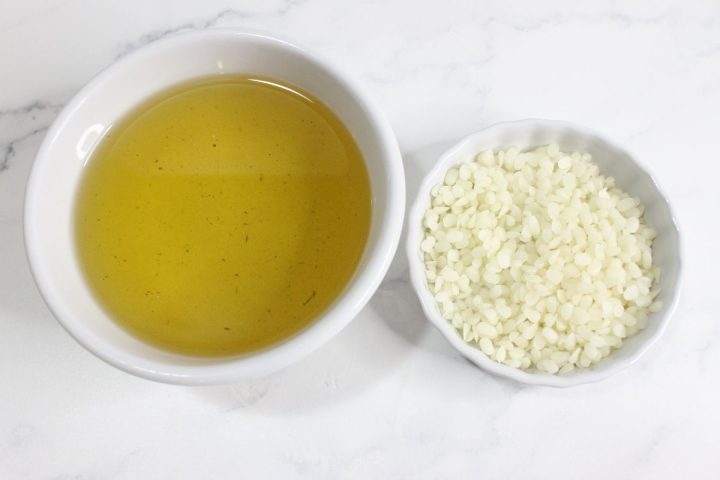
- 1 cup chickweed-infused oil
- ¼ cup beeswax
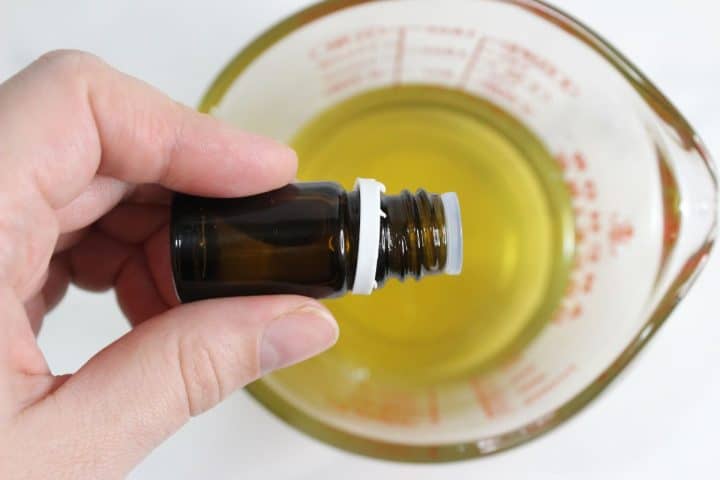
- 20 drops essential oil, optional
- 2-ounce containers
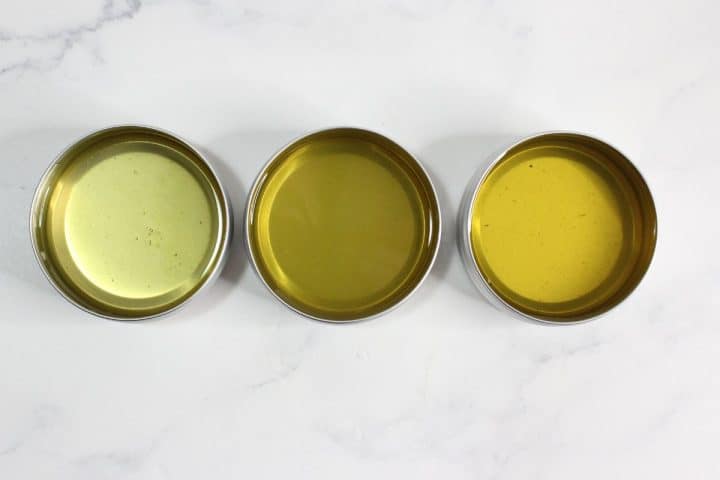
Instructions
- Add wilted chickweed to a clean, dry jar until it's about halfway full.
- Pour carrier oil over the herb until it completely covers the chickweed.
- Let it infuse for a few weeks, shaking the jar from time to time. Then strain well.
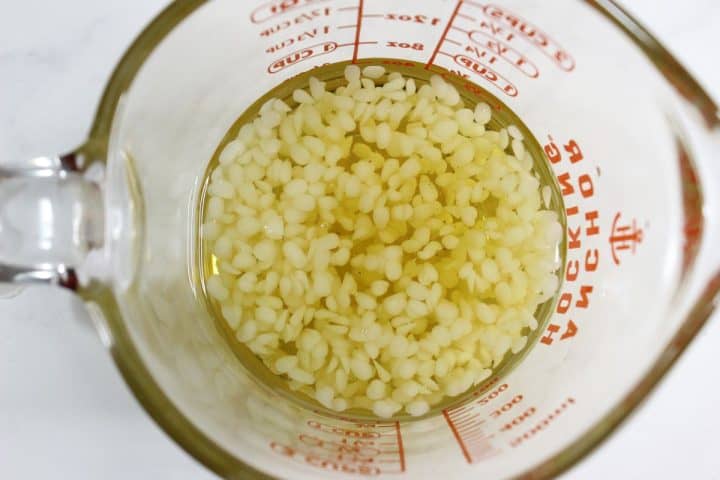
- Add 1 cup infused oil and ¼ cup beeswax to a heat-safe glass jar or double boiler.
- Melt the mixture slowly until the beeswax fully melts. If you use a microwave, heat in 30-second bursts and stir well after each round.
- Let the mixture cool slightly before you add essential oil, if you want to use it.
- Pour into your containers and let the salve harden overnight before adding the lids.
Notes on the ratio
A standard herbal salve typically uses about 1 ounce of beeswax per 8 ounces of oil. This standard ratio is a very useful rule of thumb when you want to scale recipes up or down.
This recipe lands a little firmer, which many people like for a body balm. If you want a softer salve, reduce the beeswax a bit in the next batch.
Spoon test and batch calculator
A tiny test saves you from guessing. It's one of the easiest ways to avoid a salve that feels too hard or too soft.
Spoon test for texture
Dip a cold spoon into the melted chickweed salve mixture and let a small amount cool for a minute. Rub it with your finger and check the texture.
If it feels too soft, add a little more beeswax. If it feels too firm, add a little more infused oil.
Chickweed salve batch calculator
| Finished salve | Infused oil | Beeswax | Essential oil optional |
|---|---|---|---|
| 3 ounces | ½ cup | 2 tablespoons | 10 drops |
| 6 ounces | 1 cup | ¼ cup | 20 drops |
| 12 ounces | 2 cups | ½ cup | 40 drops |
If you've already made other home herbal skincare projects you'll know that the oil-to-wax balance changes the feel of the whole product.
My personal experience with chickweed salve
This recipe has become more personal for me over the past few years. It's not just another herbal project I tried once and forgot.
I've been foraging for chickweed ever since I saw a reference to it in an old women's magazine I picked up at a garage sale. I love using chickweed to make a homemade salve for my eczema-prone skin.
Since menopause, my eczema has become more noticeable and harder to ignore as my skin has become dryer. And whenever we spend time at our off grid home in the Northwest Territories, I really notice the air dries out my hair and skin.
Why I started making this at home
My skin gets drier faster than it used to, and some patches feel itchy and irritated for no clear reason. That lines up with what eczema groups and dermatology sources say about skin changes during menopause, including dryness and increased irritation.
I still stick with gentle skin care and common-sense routines. But homemade chickweed salve gives me one more soothing option to keep on hand.
Why this kind of remedy matters to me
I like knowing exactly what goes into the jar of anything I'm going to use for my family's skincare. I also like stepping outside in spring, gathering a useful herb, and turning it into something practical for my home.
That's one of the reasons I love old-fashioned skills like this. They help you build a more hands-on, self-reliant life one step at a time.
How to use chickweed salve safely
Chickweed salve works best as a simple skin balm. I smooth a light layer onto dry patches, rough hands, or itchy areas and let it soak in.
Take note! A little goes a long way. Because it contains oil and beeswax, it's pretty thick. It sits on the skin more like a balm than a lotion.
Best uses for chickweed salve
If you (or your teens) have oily skin, you may want to use this sparingly. I think this salve works especially well for
- dry skin
- rough hands
- irritated garden hands (use it after washing with gardener's soap)
- hot, itchy bug bites
- small rough patches that need a soothing barrier
It's also an easy item to add to a baby shower basket, housewarming gift basket, or even for a mother's day gift item.
Safety notes and patch testing
As always, patch test first, especially if you have sensitive skin or if you add essential oil. If your skin often reacts to products, patch testing matters because allergic or irritant contact dermatitis can look a lot like eczema to the average person.
Don't use this salve on deep cuts, infected areas, or skin that clearly needs medical treatment. If your rash keeps flaring, gets worse, or seems tied to certain skin care products, it may help to talk to a dermatologist.
How to store chickweed salve
Good storage protects all the work you put into the infusion. It also helps the salve last longer. This is one of those simple details that make homemade products feel less hit or miss.
Storage tips
Store your chickweed salve in small, clean containers with tight-fitting lids. Keep them in a cool, dark place away from direct heat and sun.
Try to use dry fingers or a clean scoop when you take some out. Water shortens shelf life fast.
Shelf life and signs it has gone bad
A well-made batch can last up to about 12 months if you use wilted herbs, dry tools, and a stable carrier oil. Adding a drop of vitamin E or grapefruit seed extract can also help support shelf life, though I believe that using clean techniques still matters more than adding extras when it comes to safe storage.
If the salve smells sour, looks cloudy, grows mold, or seems off in any way, throw it out and make a fresh batch.
US and Canada chickweed
Readers in Canada and the US may see variations in the same wild plants depending on climate and location. That's part of what makes foraging for medicinal plants and greens so interesting.
Here in northern Ontario, I think of chickweed as an early spring helper. In parts of the US, some gardeners think of it more as an overenthusiastic groundcover or weed.
In Canada
In cool northern areas, chickweed often appears along damp garden edges, in sheltered beds, and in shady places soon after the thaw. It feels seasonal and welcome because it arrives when fresh green growth still feels scarce.
In the US
In milder or more crowded growing regions, chickweed can grow like crazy, crowding out all other plants in a garden bed. That makes it one of those herbs people dismiss as a nuisance herb, and without realizing it has real herbal use value.
Chickweed salve FAQs
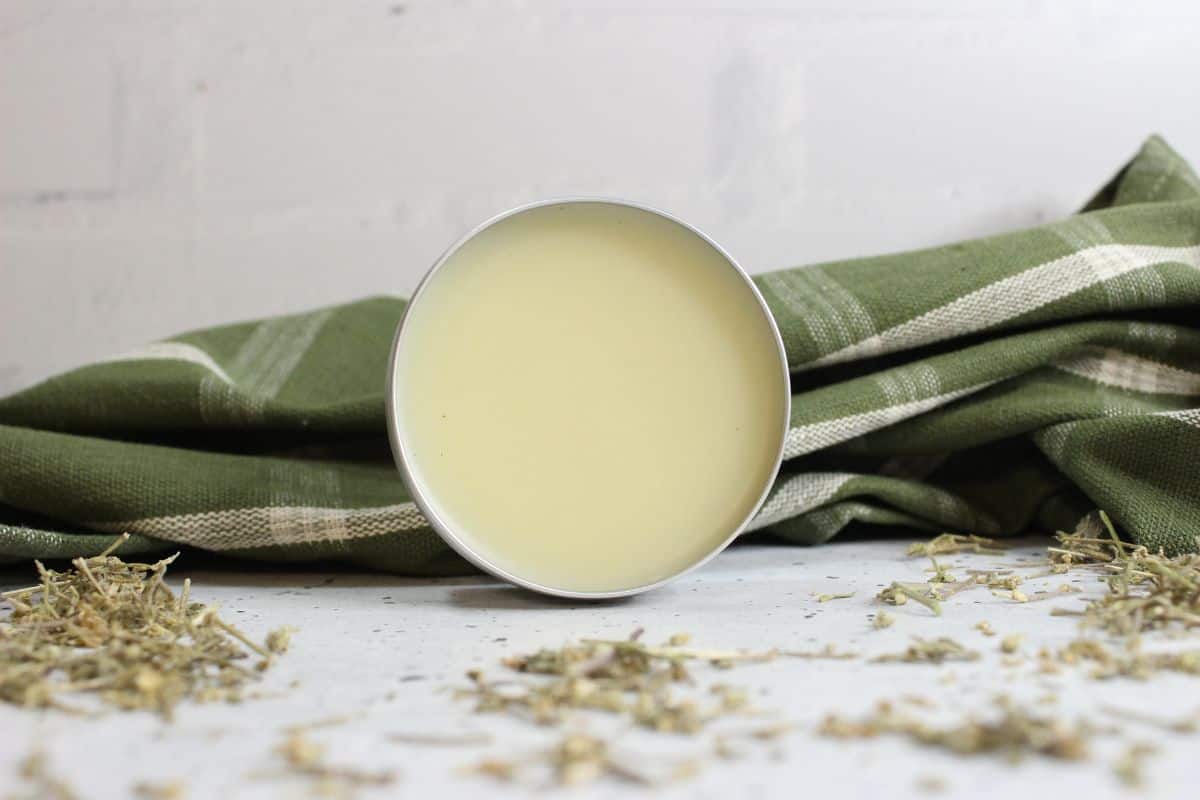
Do you have questions about foraging chickweed to make into a soothing salve? Here are some of the most common questions.
Can I use fresh chickweed to make oil?
It's better to wilt it first. Fresh chickweed holds a lot of water, and that extra moisture can shorten shelf life or spoil the infused oil.
What's the best carrier oil to use for chickweed salve?
Olive oil is one of the easiest and most reliable choices. It's affordable, easy to find, and stable enough for a simple herbal salve. You could also use almond oil or grapeseed oil.
Is chickweed salve safe for bug bites?
Many people use it as a soothing balm for itchy bug bites and irritated skin. Patch test first, and skip it on broken or infected skin.
Can I use chickweed salve for eczema?
You can use it as a simple moisturizing herbal salve on dry, itchy patches, but it shouldn't replace medical care.
How do I know if my chickweed oil has gone bad?
Check for a sour or funky smell, visible mold, or cloudy oil that seems off. When in doubt, toss it. Remember, it's easy to make a new batch.
Add simple chickweed salve to your home apothecary
Chickweed salve is one of those simple, practical recipes that fit well with a more homemade way of life. You don't need expensive gear, complicated tools, or a full herbal shop to make it.
You just need a useful spring plant, a good infused oil, a little beeswax, and the patience to do the process well. If you've been curious about herbal skin care, homemade body products, or old-fashioned plant-based remedies, this is a gentle place to start.
Once you've made this recipe once, you may want to try makig more DIY skin care recipes or home remedies for your home apothecary.
And if you want more practical projects like this one, browse my homestead crafts page for over a decade's worth of tutorials and hands-on ideas.

How to Make Chickweed Salve
Make chickweed salve at home with simple ingredients, olive oil, and beeswax. Learn a soothing herbal recipe for dry, itchy skin and spring body care.
Materials
- wilted Chickweed
- Carrier oil
- 1 cup infused oil
- ¼ cup beeswax
- 20 drops essential oils
Tools
- measuring cup
- measuring spoon
- 2 ounce mason jars or tins
Instructions
- Add wilted chickweed to a jar, filling it halfway.
- Pour the carrier oil on top to completely cover the herb. Let it infuse for a few weeks, shaking every now and again. Then strain.
- Add infused oil and beeswax to a glass jar, then melt slowly in the microwave until fully melted. Be sure to mix thoroughly after every 30-second interval.
- Once melted, let it cool slightly before adding your essential oils.
- Add to your containers and let them harden overnight before putting the lid on.
Recommended Products
As an Amazon Associate and member of other affiliate programs, I earn from qualifying purchases.
-
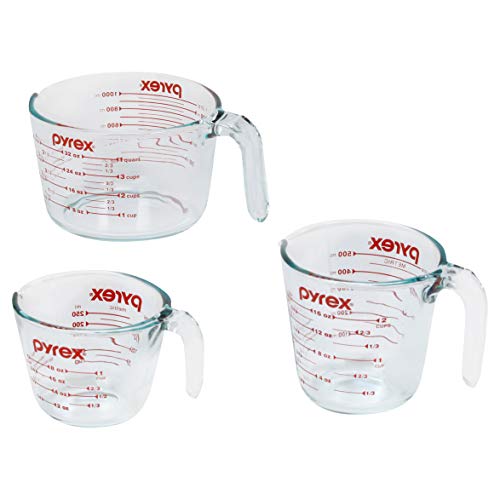
 Pyrex Essentials (3-Pack) Glass Measuring Cups Set, (1, 2 & 4 Cup) Measuring Cups For Prepping, Baking and Cooking, Preheated Oven, Dishwasher, Freezer, and Microwave Safe
 -
Beesworks Yellow Beeswax Pellets (1 lb) | 100% Pure, Cosmetic Grade, Triple-Filtered Beeswax for DIY Skin Care, Lip Balm, Lotion, and Candle Making
-
Moretoes 48 Pack 2 Oz Metal Round Tins Aluminum Tin Cans Containers with Screw Lid for Salve, Spices or Candies